


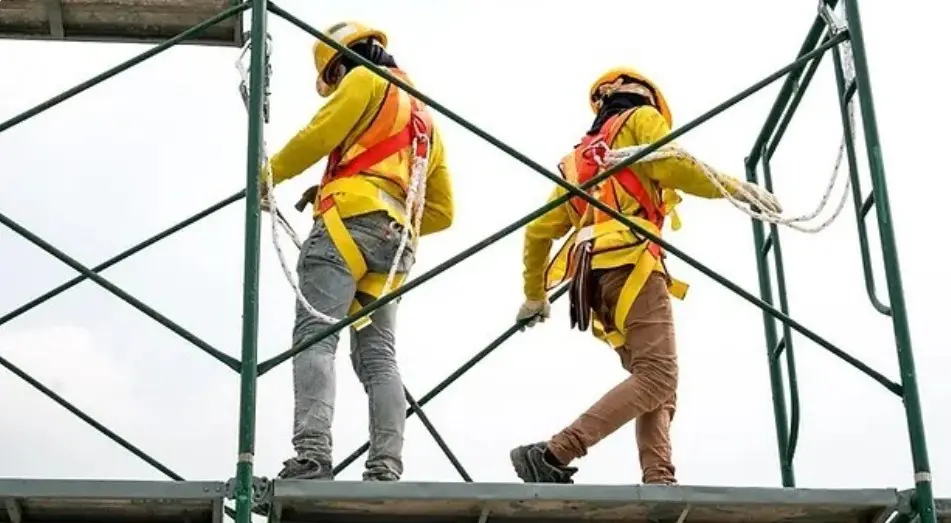
Scaffolding is an essential tool for working at height and is widely used in construction, maintenance and repair projects. It offers workers a stable, elevated platform on which to perform tasks safely and efficiently. However, despite its benefits, scaffolding comes with risks. When improperly used or maintained, it can lead to severe accidents, including falls, injuries and even fatalities.
This article will highlight the common hazards, setup procedures and best practices for working safely on scaffolding. Whether you’re a site supervisor or a worker, understanding scaffolding safety is key to creating a secure and productive environment.
Understanding Scaffolding Hazards
Scaffolding, while sturdy and reliable when used correctly, can become dangerous without proper precautions. Knowing the potential hazards helps workers prepare and respond effectively.
Falls:
Falls are the primary risk associated with scaffolding. A single slip, a misplaced foot, or an unsecured plank can lead to serious injuries. Most falls occur due to the absence of guardrails, slippery surfaces, or poor footing. Workers who don’t use personal protective equipment (PPE) like harnesses are particularly vulnerable.
Structural Failures
When scaffolding is poorly assembled or overloaded, the entire structure can collapse. Weak joints, missing cross-braces, or uneven ground are often the culprits. Even a tiny mistake during assembly can compromise the whole setup.
Environmental Factors
Weather conditions also play a significant role in scaffolding safety. High winds can knock workers off balance or tip over unsecured scaffolding. Rain makes surfaces slippery, increasing the risk of falls. Extreme cold can make metal scaffolding brittle, leading to structural issues.
Human Error
Refrain from following routine inspections, overloading scaffolds, or skipping safety protocols are common human errors that lead to accidents. Workers rushing to meet deadlines may need to pay more attention to basic safety checks, putting everyone at risk.
Setting Up Scaffolding Safely
A secure scaffolding system starts with a proper setup. This step demands careful planning and a keen eye for detail.
Site Inspection
Before any scaffolding is assembled, the site must be inspected thoroughly. Is the ground level? Uneven or soft ground can make the scaffold unstable, increasing the risk of tipping. In such cases, base plates or mudsills should be used to create a stable foundation.
Also, check for obstacles like overhead power lines or uneven terrain that might interfere with the scaffolding’s placement. Clear the area of debris or hazards that could affect assembly or use.
Load Capacity
Every scaffold has a specific load limit, and exceeding it can lead to disaster. The setup must consider the overall weight, including workers, tools and materials, on the platform. Never push the scaffold beyond its designed capacity—it’s better to err on the side of caution.
Proper Assembly
Following manufacturer guidelines is essential during assembly. Components like base plates, guardrails and braces must be installed correctly, as skipping steps or using incompatible parts can weaken the structure. Cross-bracing adds critical stability and should always be noticed. For taller scaffolds, anchoring them to a building or solid structure is vital to prevent tipping or shifting. For projects involving complex or high scaffolding systems, working with a reliable crane rental service can ensure access to the right equipment and professional support during construction setup. Proper setup significantly reduces the risk of accidents.
Safe Practices for Working on Scaffolding
Even with a perfectly set-up scaffold, unsafe practices can still lead to accidents. Workers must follow basic safety guidelines to ensure their well-being.
- Wearing Personal Protective Equipment (PPE): PPE is the first line of defence against accidents. Workers should wear helmets to protect against falling debris, non-slip boots for better grip and safety harnesses when working at significant heights.
- Maintaining Three Points of Contact: To prevent slips and falls, workers should always maintain three points of contact—two hands and one foot, or two feet and one hand—while moving on scaffolding. This simple habit can vastly minimise the risk of losing balance.
- Avoid Overloading: Scaffolds are not designed to carry excessive weight. Overloading them with too many workers, tools, or materials can prevent the platform from collapsing. Distribute weight evenly across the structure to avoid putting too much stress on a single area.
- Proper Training: Workers should receive scaffold inspection training to recognise and address potential hazards. Managers, supervisors and other responsible persons should be trained to identify risks before they become serious problems.
- Organised Workspaces: Cluttered scaffolding platforms increase the risk of tripping and falling. Workers should keep tools and materials organised and clear unnecessary items from the workspace. A tidy platform is a safer platform.
Regular Inspection and Maintenance
Scaffolding isn’t a “set it and forget it” structure. Daily inspections and maintenance are vital for ensuring its safety over time.
Routine Inspections
Before using scaffolding, it is crucial to conduct daily inspections. Inspectors should check for missing or damaged parts, signs of rust or wear and loose connections. Any issues must be fixed immediately, as damaged scaffolding is a serious safety hazard.
Structural Integrity
Scaffolds can become weak due to exposure to weather, heavy use, or improper handling. Inspectors should assess the structure’s overall stability and ensure all parts are securely fastened. Any worn or compromised components should be replaced promptly.
Compliance with Regulations
Scaffolding safety is about protecting workers and meeting legal standards. Working at height risk training can equip teams to ensure work at height is safe and compliant with health and safety legislation.
Preventive Maintenance
Regular maintenance keeps scaffolding in top condition. Clean surfaces to remove slippery dirt, grease, or ice. Store components properly when not in use to prevent damage. A little care goes a long way in extending the lifespan of scaffolding and maintaining its safety.
Conclusion
Scaffolding is an invaluable tool for working at height, but its safety depends on how it’s used. Proper setup, safe practices and regular maintenance are the foundation of scaffolding safety.
Workers must take hazards seriously and use the proper protective gear. Employers should invest in training to ensure every worker on site understands the risks and how to mitigate them.
When everyone—from site managers to workers—plays their part, the risk of accidents drops significantly. Scaffolding allows workers to reach great heights and by prioritising safety, they can do so with confidence and peace of mind.
Also Read-Harnessing Technology for Efficient Home Management

