



Flatbed trucking can be a real challenge especially when you’re hauling oversized or odd-shaped stuff. These loads don’t sit nicely like boxes. They twist, lean, and can shift if not tied down right. That’s why learning to secure them properly is super important for everyone’s safety, including yours.
Whether you’re new to trucking or just need a refresher, this guide breaks things down in a way that’s easy to understand. We’ll cover everything from knowing your load to using the right gear and checking for safety. No big words or boring stuff; just real talk to help you haul like a pro.
Know Your Load: Size, Shape, and Weight Matter
When it comes to flatbed trucking, knowing your load is the first and most important step in securing oversized and irregular loads. Before you even think about tying anything down, you need to understand exactly what you’re hauling. Size, shape, and weight all play a big role in how you secure the load safely.
Why Size Matters
Oversized loads don’t fit neatly on a flatbed like standard cargo. They stick out, sometimes by quite a bit. This can make the load unstable if you don’t plan carefully. Measuring the length, width, and height of your load helps you know how much space it will take up and where you might need extra support or special permits. Always double-check the measurements to avoid surprises on the road.
Shape and Its Challenges
Irregular loads come in all kinds of shapes. Some may be round, bulky, or oddly shaped, which means they won’t sit flat or balanced on the truck. Knowing the shape helps you decide where to place tie-downs or supports. For example, a round object might need more straps around it, while a tall, narrow load might need extra side support to stop it from tipping.
The Role of Weight
Weight affects balance and how tightly you need to secure your load. Heavy loads can shift suddenly if they’re not tied down correctly, causing dangerous situations. You also need to know the weight so you don’t overload your truck. Overloading can damage your vehicle and cause accidents.
Final Tip: Follow Size and Weight Limits
Every state and the federal government have rules about how big and heavy a load can be. Make sure you check these rules before you hit the road. Securing oversized and irregular loads safely starts with knowing your load inside and out. It’s the first step to a smooth, safe trip.
Use the Right Tools and Equipment
Securing oversized and irregular loads starts with having the right tools and equipment. Using the proper gear not only keeps your load safe but also helps you avoid costly fines and accidents on the road. Let’s break down what you need to do the job right.
Essential Gear for Securing Loads
The most common tools for securing loads on a flatbed truck are straps, chains, and binders. Straps are great for lighter or medium-weight loads, while chains work better for heavy or bulky cargo. Binders help tighten chains to keep the load from moving during the trip. Always pick tools that are rated for the weight of your load.
Protect Your Load and Equipment
When straps or chains rub against sharp edges, they can wear out or even break. That’s why using edge protectors is a smart move. These small devices sit between the load and the strap or chain to prevent damage. Dunnage, like wooden blocks or pads, can also be used to keep the load steady and stop it from shifting.
Check Your Equipment Before Every Trip
Before hitting the road, take a good look at your straps, chains, and binders. Look for frays, rust, or any damage that might make them weak. Using worn-out equipment is risky and could lead to your load coming loose. Regular inspections keep both you and your cargo safe.
Always Carry Safety Tools
Besides tie-down gear, carry a few safety essentials like gloves and a flashlight. Gloves protect your hands when handling heavy chains or rough straps, and a flashlight helps you secure loads safely in low light or early mornings.
Step-by-Step: How to Tie Down Your Load
Securing oversized and irregular loads the right way starts with knowing how to tie them down properly. When done correctly, tie-downs keep your cargo from shifting or falling off during the trip. Here’s a simple step-by-step guide to help you get it right every time.
Plan Your Tie-Down Points Before Loading
Before you even place your load on the flatbed, think about where you will attach your straps or chains. Look for strong anchor points on both the truck and the cargo. Planning ahead helps you secure the load evenly and safely.
Position Your Load Carefully
Place the load in the center of the flatbed whenever possible. This helps balance the weight and reduces the risk of tipping. Make sure the load sits flat and stable before you start tying it down.
Use the Right Number of Tie-Downs
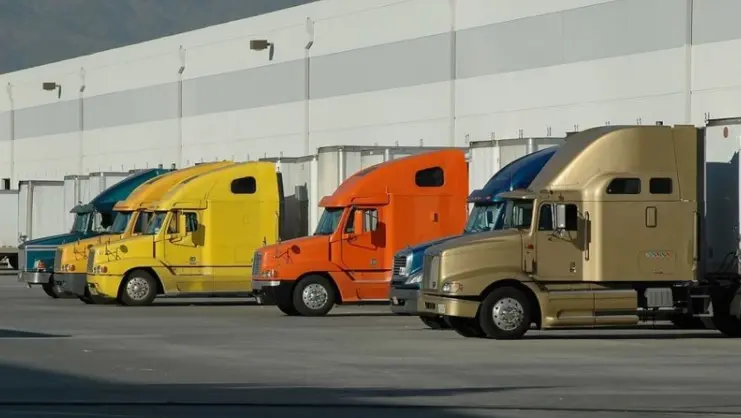
The number of straps or chains you need depends on the size and weight of the load. Generally, you need at least one tie-down for every 10 feet of cargo. Heavy or irregular loads often require extra tie-downs to keep everything in place. Don’t guess—check your load and add more if needed.
Tighten Your Straps and Chains Securely
Use binders or ratchets to tighten your straps and chains. They should be snug but not so tight that they damage the load or equipment. Always make sure there’s no slack that could let the load move.
Perform a Safety Check
Once everything is tied down, give each strap or chain a firm tug to test its strength. Walk around the truck and visually inspect your work. If anything looks loose or uneven, fix it before you drive.
Safety, Legal, and Inspection Tips
Securing oversized and irregular loads isn’t just about tying things down; it’s also about following safety rules and legal requirements. Knowing what inspectors look for and how to stay compliant keeps you on the road without trouble.
Follow Federal and State Rules
The Federal Motor Carrier Safety Administration (FMCSA) sets important rules for securing loads. These rules tell you how many tie-downs to use, how strong they should be, and how to handle oversized cargo. States may have extra laws, so always check local regulations before you travel.
Know Your Load Limits
Every truck has weight limits it can safely carry. Overloading your flatbed is dangerous and illegal. Make sure your load’s weight matches your truck’s capacity and that it’s balanced correctly. This reduces the risk of accidents and damage to your vehicle.
What Inspectors Look For
During inspections, officers check to see if your load is properly secured. They look for tight, undamaged tie-downs, correct number of straps or chains, and whether the load sticks out safely with the right warning flags or lights. If they spot problems, you could face fines or be forced to fix the load before continuing.
Perform Your Own Safety Checks
Before driving, walk around your truck and check your load carefully. Look for loose straps, shifted cargo, or worn equipment. Also, stop regularly during your trip to recheck the load. Road bumps and turns can loosen tie-downs, so staying alert helps avoid accidents.
Conclusion
Securing oversized and irregular loads isn’t hard; it just takes the right tools and some know-how. Follow the steps, stay safe, and drive smart.
Also read-Car Detailing Darwin: The Key to Keeping Your Car in Top Condition

