


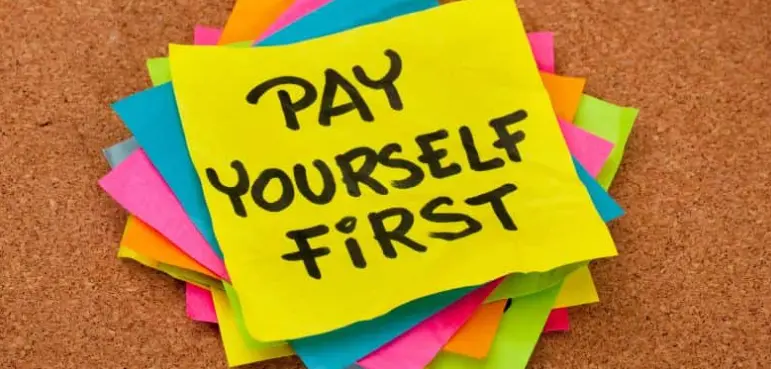
Most of us are taught to think about money in a pretty straightforward way: earn it, pay your bills, buy what you need (and maybe some things you don’t), and if anything’s left at the end of the month, put it in savings. But what if we flipped that idea completely?
Instead of treating saving as an afterthought, the “pay yourself first” approach makes it your top priority. This strategy means you set aside money for your savings or investments before you pay any other expenses or treat yourself. It sounds simple, but it can completely change your relationship with money.
Without a clear plan, it’s easy to get caught in a cycle of paycheck-to-paycheck living, or even consider quick cash options like an auto title loan in Corpus Christi when unexpected expenses come up. But when you pay yourself first, you start to build a safety net and prepare for the future, making those stressful situations much easier to handle.
The Core Idea Behind Paying Yourself First
At its heart, paying yourself first is about treating savings like a non-negotiable bill. Just like you wouldn’t skip your rent or electricity bill, you shouldn’t skip saving for your future.
When your paycheck hits your account, the first thing you do is move a set amount into your savings or investment account. Only after that do you focus on paying bills, buying groceries, or spending on fun stuff.
This method isn’t about depriving yourself. It’s about making sure you’re taking care of your future self first, before life’s other demands take over.
Why It Works
The truth is, if you wait until all your expenses and fun spending are done to save, there often isn’t much left. Most people underestimate how much they spend and overestimate what they’ll be able to save later.
By paying yourself first, you remove the temptation to spend what should be saved. You also build a habit of consistently setting money aside, which over time can grow into a significant emergency fund, investment portfolio, or retirement account.
Creating a Habit
One of the biggest challenges with saving is that it doesn’t always feel urgent. There’s always something more immediate: bills, dinners out, new clothes. By making saving automatic, you take willpower out of the equation.
Set up an automatic transfer from your checking account to your savings account right after every payday. You won’t even miss the money because it never sits in your “spending” account long enough to tempt you.
How Much Should You Save?
There isn’t a one-size-fits-all answer here, but a good starting point is around 10% to 20% of your income. If that sounds too high, start smaller — even 5% is better than nothing.
The key is to start now and adjust as you go. Over time, you can gradually increase the percentage as you get used to living on a slightly smaller budget.
If you get a raise or extra income, consider increasing your savings first before adjusting your lifestyle spending.
Building Financial Security
When you pay yourself first, you slowly build a cushion that protects you from unexpected expenses. This financial cushion brings peace of mind. You’ll feel more secure knowing you have money set aside for surprises and future goals.
Achieving Your Goals Faster
Whether you’re saving for a vacation, a new car, a home down payment, or retirement, paying yourself first can help you reach those goals faster. When you consistently save before you spend, your savings grow steadily. Watching your balance climb can also be super motivating and encourage you to keep going.
Avoiding Lifestyle Inflation
One of the biggest traps people fall into is lifestyle inflation. When you get a raise or bonus, it’s easy to start spending more — fancier dinners, new gadgets, or a pricier car. By paying yourself first, you lock in higher savings before you even have a chance to spend that extra money. This helps you avoid the trap of letting your spending grow as your income grows.
Final Thoughts
Paying yourself first is a powerful strategy that flips the traditional way of managing money on its head. Instead of treating savings as a leftover or a bonus, it becomes the priority — the bill you pay to yourself before anything else.
This approach helps you build financial security, reduce stress, and achieve your goals faster. You’ll also be less likely to rely on high-cost solutions like an auto title loan in Corpus Christi when life throws you a curveball.
So next payday, try moving a set amount into savings before you do anything else. It might feel strange at first, but over time, you’ll see just how empowering and life-changing this simple habit can be. Your future self will thank you for it.
Also Read-Harnessing Technology for Efficient Home Management

