


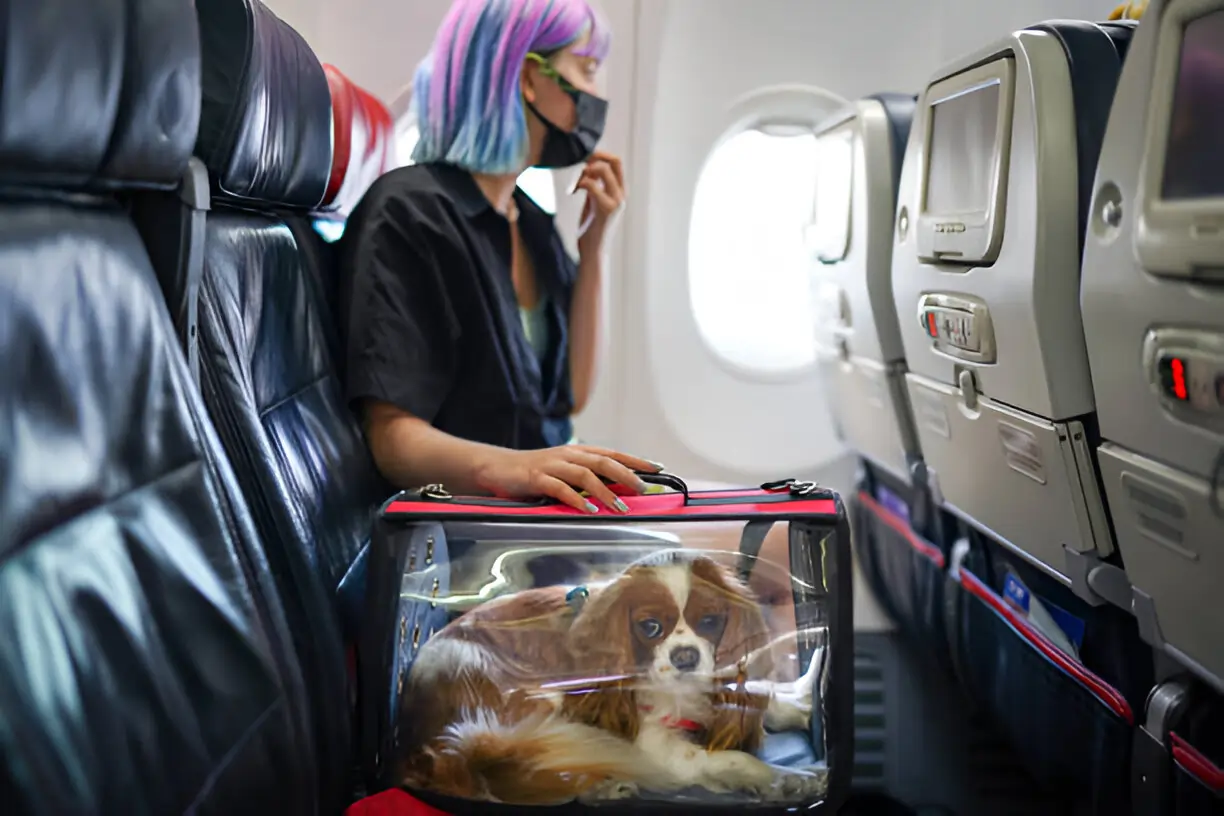
Preparing Your Pet for Air Travel
Preparing your pet for air travel takes more than a quick trip to the vet. It involves careful planning to prevent unnecessary stress on your furry companion. Schedule a thorough health check several weeks before your intended departure, as airlines and destination countries typically require proof of current vaccinations and a veterinarian-issued health certificate within a specified timeframe. Senior pets, or those with medical conditions, may need special clearance or additional preparation to ensure they travel safely. This stage is crucial, as it’s your opportunity to address any potential health concerns before your journey begins.
Beyond paperwork, focus on crate training your pet in advance. Leave the travel carrier open in your living space with a favorite blanket or toy inside, gradually increasing your pet’s time in the enclosed space. Positive reinforcement turns the crate into a secure den, rather than a source of fear. Practice short drives with your pet in the crate to simulate the sensations of travel. For those residing in or passing through the city, searching for the best pet transport service in New York City can be invaluable. The exemplary service will support you every step of the way, offering detailed guidance and expert tips to minimize stress for both you and your pet. Consider reaching out to them early, as reputable services often get booked up quickly during peak travel seasons. They can also help you navigate airline-specific requirements, which vary widely and can be confusing. Taking these extra steps provides you with greater peace of mind and helps ensure a smoother, safer journey for your four-legged companion.
Evaluating Pet Air Transport Services
Selecting a high-quality pet air transport service is central to a smooth journey. It’s wise to research a company’s reputation by reading consumer reviews and asking for recommendations from veterinarians or local pet owners. Trustworthy companies have staff members trained in animal handling, airway management regulations, and emergency response procedures. It’s not just about safe transit—it’s also about knowledgeable professionals who understand the unique needs of each breed. A good transport partner will gladly guide you through every step, from the initial consultation and crate sizing to coordinating with your airline and managing paperwork.
Ask providers about their experience in handling international shipments, dealing with delays, and responding to medical emergencies. Find out if they have access to veterinarians during layovers or if they can provide real-time updates on your pet’s status. Transparency on costs, schedules, and contingency plans is essential; a reputable service will offer clear communication and demonstrate a deep commitment to animal welfare throughout the journey.
Airline Policies and Restrictions on Pet Travel
Each airline has its policies for pet travel, influenced by factors such as route, season, breed, and others. Some airlines permit only small pets in the cabin, while requiring larger breeds to travel in climate-controlled cargo holds. Restrictions for breeds prone to respiratory issues, such as Bulldogs and Persians, are increasingly common due to their sensitivity to air pressure and temperature fluctuations. Embargoes may be in effect due to hot or cold temperatures, and some carriers limit the number of pets allowed on a single flight.
The veterinary association travel guidance is an excellent reference for staying current on these shifting requirements. Check not only the airline’s official site but also verify details directly with their customer service. Ensure your pet’s carrier meets size and ventilation standards, and confirm you have the proper paperwork for each leg of your trip. Proactive research reduces surprises and ensures your pet is treated according to the latest best practices.
Pet Safety and Well-being During Flight
Your pet’s safety depends on a combination of preparation and attention to their physical and emotional well-being. Maintain your pet’s regular feeding and exercise times in the days leading up to travel. On the morning of your trip, have a light meal several hours before check-in to help prevent nausea. Exercise them thoroughly so they are calm and more likely to rest in the crate.
Place a familiar toy or blanket in their carrier; a familiar scent is a reassuring presence. Avoid sedation unless advised to do so by your veterinarian, as certain medications can increase the risk of complications at high altitudes. Ensure your contact information and care instructions are securely attached to the crate. Frozen water bowls or specialized dispensers are helpful in keeping your pet hydrated throughout the journey. Upon arrival, allow your pet time to rehydrate, stretch, and slowly acclimate to their new environment. Attentive care before, during, and after the flight sets a stable foundation for their comfort.
Essential Documentation for Flight
Documentation is your ticket to a hassle-free journey. A health certificate, up-to-date vaccination records, and proof of microchipping are standard requirements for both airlines and many international destinations. Errors or omissions in paperwork are among the main reasons pets face delays or quarantine.
For overseas travel, check if your destination requires import permits, blood tests, or additional parasite treatments. Keep hard copies of all documents with you and attach a set to your pet’s crate. Label everything clearly, including your emergency contact info and travel itinerary. Some countries require form submissions several weeks in advance—don’t leave paperwork until the last minute if you want to avoid stressful surprises.
Comparing Costs and Value in Pet Air Transport
The cost of pet transportation can vary significantly depending on factors such as distance, animal size, special requirements, and the level of service. Pet airfare is often just one component—add in crate fees, permits, veterinary bills, customs charges, and potentially ground transport costs. Some carriers or services impose surcharges for last-minute bookings or travel during peak seasons. For expensive purebred or delicate animals, you may want to invest in door-to-door premium offerings for maximum security.
When planning for international relocations, review the CDC’s animal importation requirements to understand the mandatory health measures and any potential additional fees, such as quarantine or inspection costs. Evaluating providers based on value—combining experience, customer support, and safety—can help you make informed decisions that safeguard both your pet and your peace of mind.
Common Mistakes Pet Owners Make (And How to Avoid Them)
- Procrastinating on paperwork or vet visits, resulting in missed flights or denied boarding.
- Poor crate training leaves pets unaccustomed to the carrier environment, making them prone to distress.
- Failing to monitor frequent changes in airline and import requirements is a critical step in international travel.
- Neglecting to check and update microchip registration and visible ID tags, which are vital if you become separated from your pet.
Final Tips for a Smooth Travel Experience
Creating a detailed checklist several weeks in advance can make all the difference. Track each step, from vaccinations and paperwork to crate purchases and booking confirmations. Regularly confirm with your airline and transport service provider to avoid last-minute surprises. Keep communication open and be ready with backup plans in case of rescheduling or weather delays.
Consider pet travel insurance tailored to emergencies and cancellations—coverage can be a financial lifesaver in unexpected situations. Most importantly, maintain a calm and positive demeanor; your pet will take cues from your behavior. A well-prepared and confident owner can transform a daunting process into a smooth, safe, and rewarding experience for both parties.
Why Zero Liability Protection Is So Important
Probate Fundamentals: What Heirs and Executors Need to Know – Dimensions Script

