


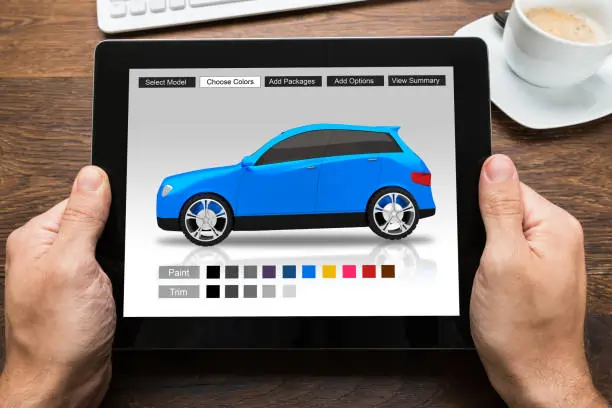
The car buying process has evolved significantly over the past decade, moving beyond simply choosing a model from a dealership lot. Today’s buyers increasingly seek vehicles that reflect their personal preferences, from interior materials and color choices to advanced technology packages. This shift toward personalization enables consumers to feel more connected to their cars, ensuring that the final purchase aligns with their lifestyle and needs. As a result, dealerships and manufacturers are reevaluating their traditional sales approach to meet the growing demands for flexibility and individuality.
One of the ways this trend is transforming the experience is through interactive online tools that let potential buyers explore different configurations before committing. Options that allow users to build your own Kia, for example, provide a hands-on way to experiment with features, colors, and trims, making the process more engaging and informed. This approach simplifies decision-making and helps ensure that drivers are satisfied with the final choice.
The Growing Demand for Personalization
Recent industry surveys indicate that over 40% of car buyers now consider the option to personalize as a key factor in their purchasing decisions. For most, customization holds equal weight to price and delivery times—factors that have long been considered the bedrock of car sales. Notably, a staggering 92% of shoppers are open to paying more for the ability to select unique finishes, colors, and interior features, with many willing to increase their budget by up to 10% for personalized upgrades. However, enthusiasm for spending extra skews young: Gen X, Millennials, and Gen Z are leading the appetite for more extensive customization, while Baby Boomers show less inclination to pay above the base price.
This trend has been magnified by rising consumer demand for digital experiences. Today’s buyers research, shop, and personalize online, expecting interactive 3D tools and virtual walkarounds to be part of the dealership experience.
Technological Innovations Enhancing Customization
Advanced technology has enhanced the customization process for new car buyers. AI and IoT provide smarter, adaptive features during and after the sale. With an estimated AI market value of $134.3 billion by 2033, consumers will have access to more intuitive customization options. AI provides personalized vehicle recommendations tailored to individual preferences, habits, and eco-goals, while IoT enables seamless post-purchase upgrades and updates. AR and VR technologies drive innovation by allowing shoppers to visualize their customized vehicle in their driveway or virtually sit inside different models before making a purchase. This immersive experience makes the process more engaging and informative, helping to shorten the transition from browsing to purchase.
Dealerships Adapting to Personalization Trends
Dealerships, once reliant on physical showrooms and conventional sales approaches, are reimagining the buying journey by incorporating digital configurators and interactive displays. Shoppers now enjoy self-service kiosks, touchscreens, and online portals that support full vehicle customization, making the process more independent and transparent.
The result is a shift in the traditional sales role from product gatekeeper to experience facilitator. Sales teams are being trained to support shoppers as they personalize and configure models rather than simply pushing available inventory. Dealerships that adapt to these trends are seeing improved customer satisfaction, repeat business, and better alignment with the on-demand nature of contemporary retail.
Challenges in Delivering Personalized Experiences
While the benefits of car personalization are apparent, they also present challenges. Manufacturers must balance the growing list of customization options with efficient and seamless production flows. Too many options can slow down assembly lines and increase operational costs. For dealerships, the rapid shift to digital-first experiences means ongoing investments in technology, training, and cybersecurity.
Another hurdle is the usability of digital tools—customization interfaces must be intuitive and accessible to a diverse range of customers, regardless of their comfort with technology. Automakers are tackling these issues by investing in user experience research and testing, ensuring their configurators are smooth, engaging, and glitch-free, while mitigating complexity on the backend.
The Future of Car Customization
In the future, vehicle personalization is expected to expand due to advancements in AR, VR, and AI, making customization more accessible from any location. AI will provide predictive features and upgrade recommendations based on previous choices and driving history. The shift to electrification and sustainability will introduce new personalization options, enabling drivers to balance luxury, performance, and environmental concerns. As digital and real-world experiences blend, customers can expect more immersive and personalized journeys, from initial exploration to final purchase.
Conclusion
As the desire for individualized experiences continues to define the automotive marketplace, customization is no longer an option but a requirement. Both automakers and dealerships must continue to innovate, leveraging the latest technologies to deliver seamless, empowering car-buying journeys. For today’s—and tomorrow’s—consumers, a one-size-fits-all approach just isn’t enough. Personalization is the key to achieving satisfaction, loyalty, and long-term success in the evolving automotive sales landscape.
Read more: Benefits of Clean Drinking Water – Dimensions Script
Why Fraud Prevention Matters More Than Ever – Dimensions Script
Technology That Actually Helps Healthcare Work Better – Dimensions Script

