


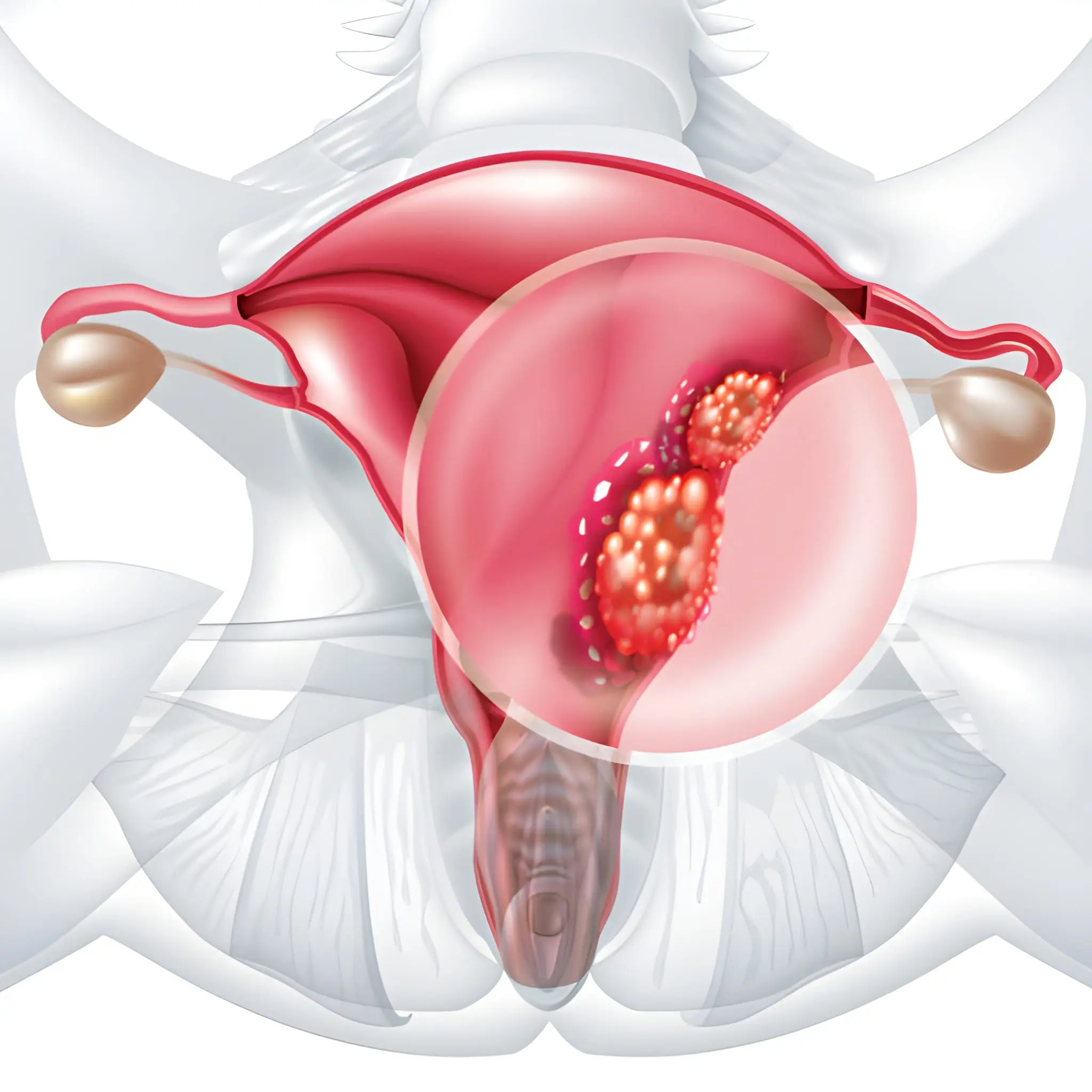
Uterine fibroids are one of the most common tumors among women, with a relatively high incidence rate. It is particularly prevalent among women in Hong Kong over the age of 35, with approximately 20% affected by this condition. Additionally, studies have shown that the incidence rate increases with age, reaching as high as 50% among women over the age of 40.
Uterine fibroids, medically known as leiomyomas or myomas, are benign growths that develop in or on the walls of the uterus. These non-cancerous tumors are composed of smooth muscle cells and connective tissue and are among the most common gynecological conditions affecting women of reproductive age. Fibroids can vary significantly in size, ranging from microscopic to large masses that distort the uterus. They may grow individually or in clusters, and their location within the uterus determines their classification: submucosal fibroids grow beneath the uterine lining, intramural fibroids develop within the muscular wall, subserosal fibroids extend outward from the uterine wall, and pedunculated fibroids are attached by a stalk. While fibroids are generally harmless, they can cause symptoms such as heavy menstrual bleeding, pelvic pain, and pressure on surrounding organs, depending on their size and location.
The growth of uterine fibroids is influenced by a variety of factors, many of which are hormonal or genetic in nature. Estrogen and progesterone, the primary hormones regulating the menstrual cycle, play a significant role in fibroid development and growth. Fibroid cells have been shown to increase the expression of progesterone receptors in response to estradiol, which promotes their proliferation. This hormonal sensitivity explains why fibroids often grow during the reproductive years when estrogen levels are high and tend to shrink after menopause when hormone production declines. Additionally, the extracellular matrix (ECM), a network of proteins and molecules surrounding fibroid cells, acts as a reservoir for growth factors that enhance fibroid stability and prolong signaling duration, further contributing to their growth.
Several other factors also influence fibroid growth. Genetic mutations, such as those in the MED12 gene, have been linked to fibroid formation by disrupting cellular processes and promoting abnormal growth. Environmental factors, including exposure to endocrine-disrupting chemicals (EDCs) during early development, can reprogram myometrial stem cells and increase susceptibility to fibroids later in life. Lifestyle factors such as obesity, hypertension, and vitamin D deficiency have been associated with an increased risk of fibroid development. Obesity, in particular, is linked to higher estrogen levels due to the conversion of adrenal androgens into estrogen in adipose tissue, which may encourage fibroid growth. Diets rich in red meat and alcohol have also been implicated, while smoking appears to reduce the risk of fibroids through mechanisms that are not yet fully understood.
Despite their tendency to grow during the reproductive years, uterine fibroids can sometimes shrink or disappear naturally. This phenomenon is most commonly observed during periods of hormonal change, such as pregnancy and menopause. During pregnancy, fibroids may regress due to changes in hormone levels and increased blood flow to the uterus. Studies have shown that up to 90% of fibroids detected during the first trimester decrease in volume within three to six months postpartum. Breastfeeding, which suppresses ovarian steroid production, may further enhance fibroid regression. Similarly, menopause often leads to a reduction in fibroid size and symptoms as estrogen and progesterone levels decline. In fact, many women experience complete fibroid regression after menopause, making surgical intervention unnecessary in some cases.
However, not all fibroids disappear on their own. The likelihood of spontaneous regression depends on factors such as fibroid size, location, and individual health. Smaller fibroids are more likely to shrink naturally, while larger fibroids or those located within the uterine wall may persist or even grow. Research indicates that only about 10% to 20% of fibroids regress spontaneously, while the majority either remain stable or grow larger over time. This variability underscores the importance of regular monitoring and individualized treatment plans for women with fibroids.
For those seeking non-surgical solutions, several options are available to manage symptoms and encourage fibroid regression. Hormonal treatments, such as gonadotropin-releasing hormone (GnRH) agonists, can mimic menopause by lowering estrogen levels, thereby shrinking fibroids. Minimally invasive procedures like uterine artery embolization (UAE) and focused ultrasound surgery can reduce fibroid size by cutting off their blood supply or using heat to destroy fibroid tissue. Lifestyle changes, including maintaining a healthy weight and consuming a diet rich in fruits and vegetables, may also help prevent fibroid growth or promote regression.
Despite the potential for fibroids to disappear naturally, untreated fibroids can pose risks and complications. Persistent fibroids may lead to worsening symptoms, such as heavy menstrual bleeding, pelvic pain, and pressure on surrounding organs. These symptoms can significantly impact a woman’s quality of life, causing physical discomfort, emotional distress, and interference with daily activities. In some cases, untreated fibroids can result in chronic anemia due to excessive bleeding, fertility issues, or complications during pregnancy, such as miscarriage or preterm labor. Large fibroids may also compress nearby organs, leading to urinary tract infections, kidney damage, or bowel dysfunction.
Given these potential complications, it is essential for women with fibroids to consult their healthcare provider for regular monitoring and personalized treatment plans. While many fibroids do not require intervention, those causing significant symptoms or complications may necessitate medical or surgical treatment. Early diagnosis and timely management can optimize outcomes and prevent long-term health effects.
In conclusion, uterine fibroids are common benign growths that can significantly impact a woman’s quality of life, particularly when symptomatic. Their growth is influenced by hormonal, genetic, and environmental factors, with estrogen and progesterone playing a central role. While fibroids can sometimes shrink or disappear naturally, particularly during pregnancy or menopause, this is not guaranteed. The likelihood of spontaneous regression depends on individual factors such as fibroid size, location, and overall health. Women experiencing discomfort or complications from fibroids should seek professional advice to explore treatment options and ensure their overall well-being. By staying informed and proactive, most women can effectively manage fibroids and maintain a good quality of life.
Also Read-A Complete Homeowner’s Guide to Vinyl Window Installation and Understanding Window Parts

