


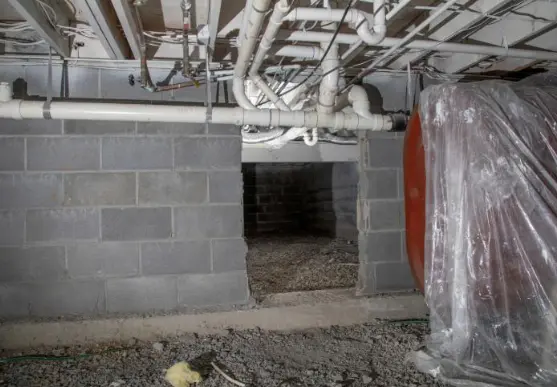
A dry basement is essential for protecting your home from costly damage. When water seeps through walls or floors, it can weaken your foundation, encourage mold growth, and lead to expensive repairs. What begins as a small, damp spot or musty smell can quickly develop into a serious structural issue if left unaddressed.
Because basements are situated below ground level, they are naturally susceptible to moisture. Rain, melting snow, and groundwater all create pressure against your foundation. Over time, even small cracks or weak seals allow water to find its way inside. Preventing this requires a proactive approach that keeps moisture where it belongs, outside your home.
That’s why investing in Naperville basement waterproofing is such a smart move for homeowners. It not only protects your foundation but also helps prevent long-term damage, keeping your basement dry and safe throughout the year. Understanding how different waterproofing methods work makes it easier to choose the right solution for your home.
Why Basements Leak
Basements often leak for three main reasons: poor drainage, cracks, and hydrostatic pressure. When your yard’s grading directs water toward your home instead of away from it, rain collects near the foundation. Over time, that trapped water seeps into cracks in walls or floors. Additionally, saturated soil exerts pressure that pushes moisture through the concrete’s porous surface.
These leaks don’t just create puddles, they can compromise the entire structure. Prolonged exposure to moisture causes wall bowing, wood rot, and mildew. That’s why timely basement waterproofing is critical for preventing lasting damage.
Interior Basement Waterproofing
Interior systems manage water that has already entered your basement. They’re less invasive and often more affordable than exterior options, making them ideal for minor leaks or humidity issues.
The most common interior solution is a drainage system, often called a French drain, that collects water under the basement floor and channels it into a sump pump. The pump then pushes the water safely outside. Some homeowners also apply waterproof sealants to their basement walls for extra moisture protection, although these are most effective against light dampness.
While interior waterproofing effectively manages water, it doesn’t stop it from getting in. For full protection, pairing interior systems with exterior measures is the best approach.
Exterior Basement Waterproofing
Exterior waterproofing prevents water from ever reaching your basement walls. It’s the most comprehensive and long-term solution, though it requires excavation around the foundation. Contractors clean the exposed walls, apply a waterproof membrane, and install drainage systems to redirect water away from the home.
This approach stops leaks at the source, reducing hydrostatic pressure and preventing water infiltration entirely. Proper grading and downspout extensions also play a role by diverting runoff away from the house. While more expensive, exterior waterproofing is often the most effective option for homes with chronic water problems.
Combining Interior and Exterior Systems
Many homes benefit from a combination of interior and exterior waterproofing. This two-layer approach offers complete protection against leaks and moisture buildup. For example, while an exterior membrane blocks outside water, an interior sump pump manages any that still finds its way in.
Regular maintenance is key to keeping these systems effective. Cleaning drains, checking pump function, and ensuring proper yard drainage will extend the lifespan of your basement waterproofing investment.
Other Ways to Keep Your Basement Dry
Effective waterproofing begins with proper water management around your property. Keep gutters and downspouts clear so water flows freely away from your home. Downspouts should extend at least ten feet from the foundation to prevent pooling. Adjusting your landscape grading to slope gently away from the house can also make a big difference.
Inside your basement, use a dehumidifier to control moisture and prevent condensation on walls and pipes. If you notice early warning signs, such as peeling paint, dark stains, or a musty odor, act promptly before the issue worsens.
Choosing the Right Waterproofing Method
Every home is different, and the best solution depends on factors like soil type, foundation material, and the extent of water damage. Older homes often require more extensive exterior work, while newer properties might only need an interior drainage system. A professional inspection can determine the best approach for your specific needs.
Hiring experts ensures the job is done right. Professional contractors have the tools, training, and experience to address both the symptoms and the root cause of moisture problems. DIY fixes might seem cost-effective, but often fail to prevent recurring leaks.
The Cost and Long-Term Benefits
While basement waterproofing can feel like a big investment, it’s far cheaper than repairing structural damage or mold contamination later. Costs vary depending on your home’s condition and the method chosen, but quality waterproofing typically lasts for decades.
Beyond preventing damage, waterproofing boosts your property’s value. A dry basement can be finished into a livable space, used for storage, or simply provide peace of mind during stormy seasons.
Conclusion
Moisture problems don’t go away on their own. Whether you choose interior, exterior, or a combination of both, taking action now will save you from costly repairs and long-term issues. A dry basement means a stronger foundation and a healthier home overall.
For professional help, contact Pro Foundation Fixers. Their experienced team specializes in effective basement waterproofing solutions tailored to your home’s needs. From inspections to full installations, they use proven methods to stop leaks, protect your foundation, and keep your basement dry for years to come.
Also Read-Technology That Actually Helps Healthcare Work Better

