


The adoption of safer road designs and advanced vehicle technologies is driving a major decline in car accidents nationwide. The marriage of cutting-edge smart tech with updated infrastructure is paving the way for fewer collisions and safer journeys for all motorists. As we look to the future of transportation, it’s crucial to understand how these changes affect drivers, passengers, and communities. The work and advocacy of firms like Gardner Trial Attorneys also play a key role in helping victims of car accidents navigate the evolving legal and technological landscape.
Technological leaps have transformed daily driving, with real-time car communication, smarter traffic lights, and better driver assistance improving safety. This article explores the innovations and strategies shaping future roads and their impact on accident rates. AI integration helps authorities and drivers make quick, informed decisions, making roads safer but also raising challenges like regulation, data security, and privacy. As governments partner with tech firms and automakers, the goal of zero traffic fatalities seems more achievable, promising safer roads for all.
Advancements in Road Safety Technology
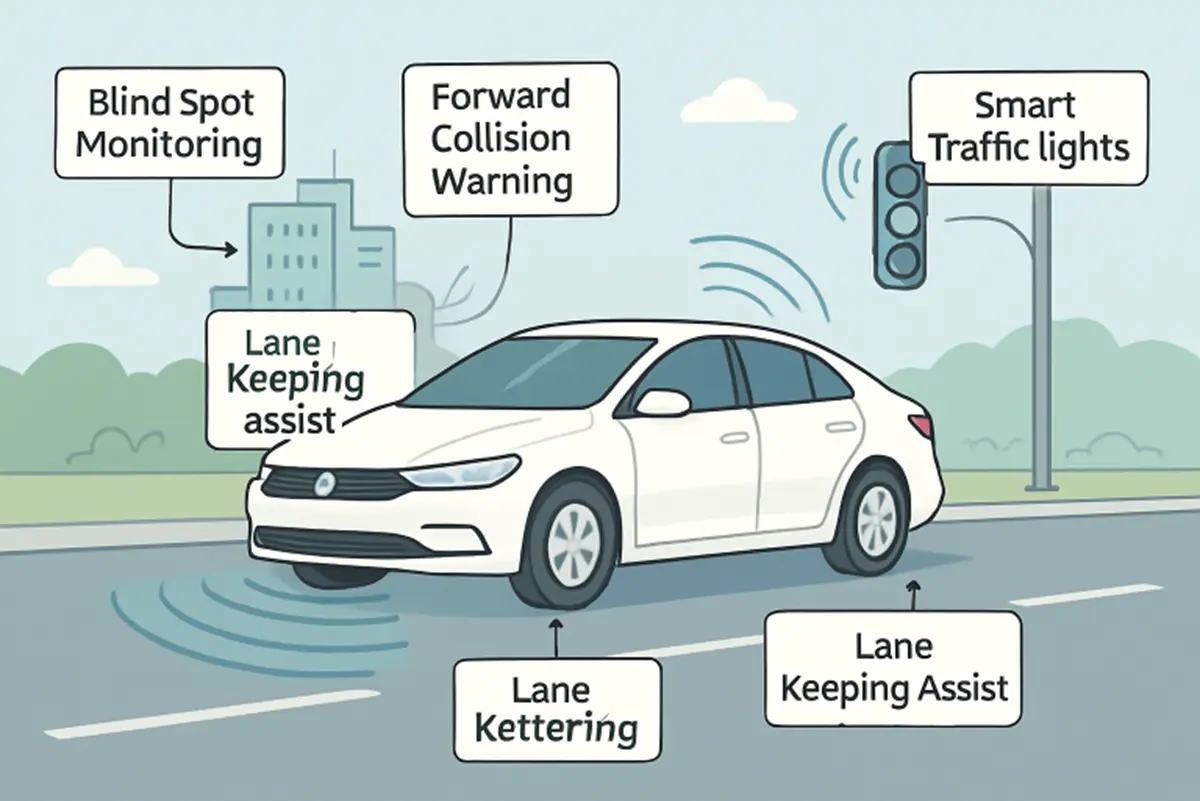
Vehicle safety features have advanced, giving drivers tools like Automatic Emergency Braking (AEB), adaptive cruise control, and lane-keeping assist—now common across many models. NHTSA estimates AEB could save hundreds of lives and prevent thousands of injuries annually. Other tech like rear cross-traffic alerts, pedestrian detection, and advanced airbags add protection for all road users. Sensors, cameras, and radar improve hazard detection, reducing human error risks.
Role of Artificial Intelligence in Road Safety
Artificial intelligence is quickly becoming the backbone of both preventive and responsive road safety strategies. Through advanced data analysis, AI can identify complex patterns in road use, predict high-risk scenarios, and trigger preventative measures. For example, some cities now use AI-powered cameras and sensors to monitor road surfaces, identifying potholes and debris in real time and allowing for prompt action.
Additionally, AI algorithms are utilized within vehicles to continuously assess driving environments. Intelligent Adaptive Cruise Control (iACC) adapts speed to surrounding traffic, reducing the likelihood of rear-end collisions. Urban planners also leverage AI-driven analytics to optimize traffic flows and identify intersections in need of redesign or enhanced signaling.
Smart Infrastructure and Connected Vehicles
Smart infrastructure, such as intelligent traffic signals and real-time traffic monitoring, is proving critical for reducing accidents. Connected Vehicles (CVs) communicate wirelessly with surrounding cars, traffic lights, and even road signs. These interactions transmit critical alerts, such as sudden braking ahead or changing weather conditions, directly into the vehicle’s cockpit, empowering drivers to react swiftly.
Vehicle-to-infrastructure (V2I) projects are gaining traction across U.S. cities, relaying data not just for immediate safety, but for long-term urban planning. These solutions promise reduced congestion, fewer bottlenecks, and more secure road conditions for all road users.
Government and Private Sector Collaborations
Progress in road safety is significantly driven by partnerships between government agencies and private companies. Federal mandates requiring AEB systems in all new passenger vehicles represent a bold national commitment to safer roads. Local governments are piloting smart city initiatives, often in coordination with technology firms, insurance providers, and academic research centers to accelerate deployment and adoption of cutting-edge technologies.
Similarly, public funding is increasingly being directed toward upgrading roads, bridges, and intersections with connected, sensor-enabled systems designed for ongoing improvement and adaptability.
Impact of Advanced Driver-Assistance Systems
Advanced Driver-Assistance Systems (ADAS) are among the most influential technologies in making roads safer. Systems such as collision avoidance, blind-spot monitoring, and intelligent headlights reduce the margin for human error, which is frequently the root cause of severe accidents. With more cars equipped with ADAS, early data points to fewer fatalities and injuries, illustrating how rapid adoption and iterative improvements can save lives.
Parallel systems, such as driver attention monitors, further reduce the risks posed by distracted or drowsy driving, reinforcing safe driving behaviors and alertness behind the wheel.
Challenges and Future Directions
No amount of technology can guarantee zero risk, so persistent obstacles remain. Securing the privacy of real-time location data, maintaining the cybersecurity of connected networks, and standardizing regulations for interoperability across jurisdictions are all top priorities. The unique risks posed by increasingly autonomous vehicles will require robust oversight and transparency.
Looking ahead, continued investment in AI and machine learning will yield smarter, more adaptable safety systems. National and regional policy must evolve alongside these advances, establishing clear frameworks for accountability and compliance as the transportation sector becomes increasingly interconnected.
Conclusion
The convergence of safer road design and smart technology is fundamentally changing the landscape of car accidents. With strong partnerships, continuous innovation, and committed advocacy, the goal of significantly reducing, if not one day eliminating, traffic fatalities is within sight. Everyone, from drivers to tech developers to policy experts, has a role to play in this safer, smarter future.
Also Read-Preventive Dental Care: Your Path to Lifelong Oral Health

