


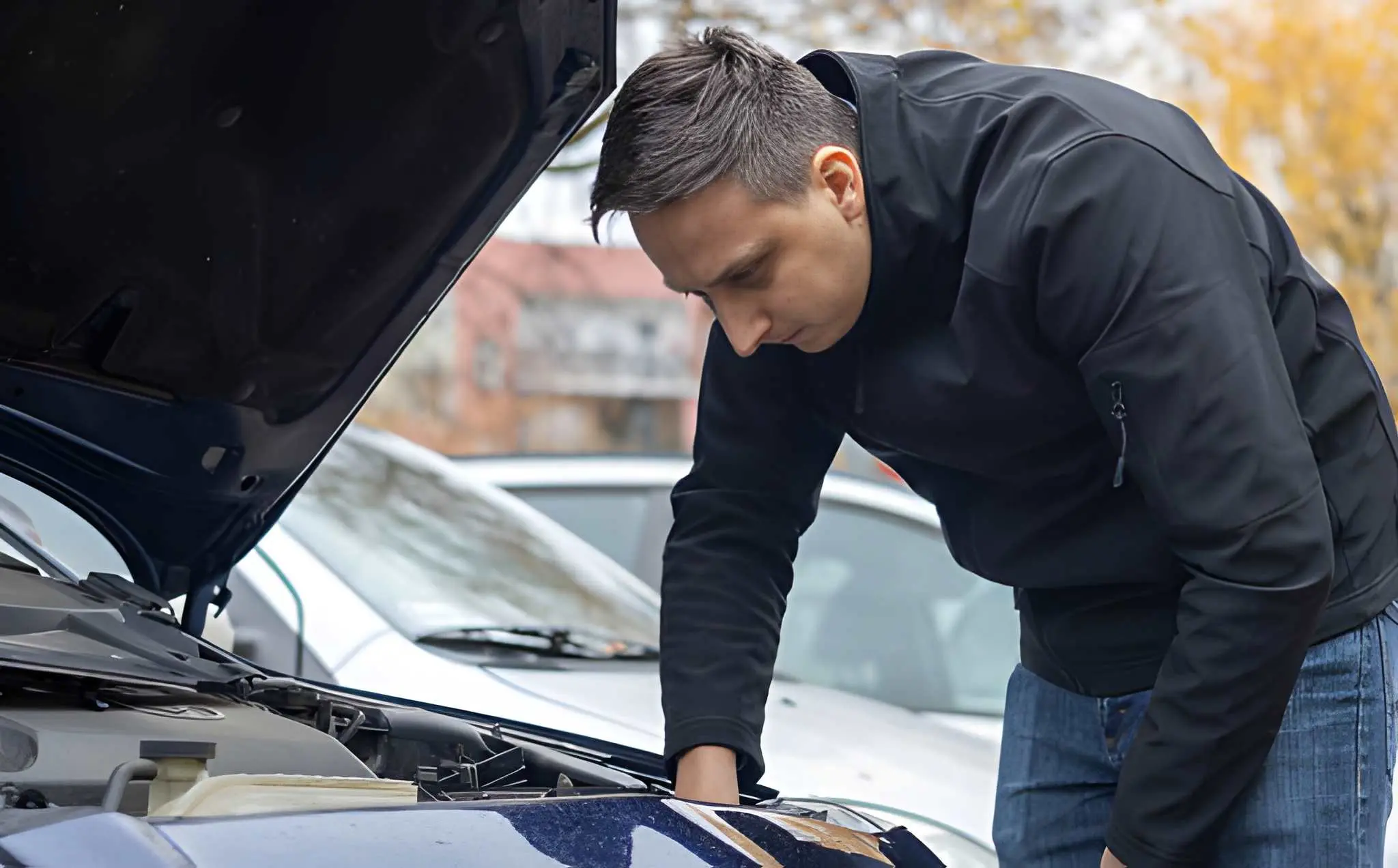
Keeping your car running smoothly is about more than fuel and tyres. Fluids are the lifeblood of your vehicle. They lubricate moving parts, prevent overheating, and help you stop safely. Yet many drivers wait until there’s a problem before thinking about fluid levels. Whether you’re following the service schedule in your manual, searching for a car mechanic near me, or heading in for a logbook service, regular fluid checks should be part of every maintenance routine.
Fluid checks aren’t just about engine oil. Coolant, transmission fluid, brake fluid, power steering fluid, and other liquids keep your vehicle performing at its best. Ignoring them can lead to breakdowns, costly repairs, and even safety issues on the road.
Why Fluid Leaks Happen: Worn Seals, Loose Connections, and Pest Damage
Fluids can leak for many reasons. Over time, seals, gaskets, and hoses wear out, harden, or crack. Vibration and heat cycles weaken connections. Even loose clamps or fittings can cause slow leaks that are hard to spot until they become serious.
Sometimes the cause of fluid leaks isn’t mechanical wear at all, it’s pests. Rodents and insects can damage components in your engine bay, creating weak points where fluids can escape. Rodents, in particular, are notorious for chewing on rubber hoses and wiring, which can lead to coolant, oil, or power steering fluid leaks that might otherwise seem mysterious.
Pitching regular fluid inspections alongside pest prevention helps reduce the risk of hidden leaks that go unnoticed until they cause major problems.
How Pests Contribute to Fluid Leaks
Pest activity around your car isn’t just an annoyance; it can cause real mechanical harm. Rodents are especially problematic: they have teeth that never stop growing, which means they gnaw on whatever they can, including rubber hoses and wiring insulation. Chewing through coolant hoses, transmission lines, or power steering hoses can lead to slow or sudden fluid loss.
Cockroaches might not chew like rodents, but they can nest in warm, sheltered engine areas and make infestations harder to spot. Hidden nests can trap moisture and debris, creating environments that accelerate wear on seals and connections. If pests have taken up residence under your bonnet, it’s a good sign your car may need pest control as part of overall maintenance.
When pests damage fluid systems, the results range from slow drips that gradually degrade engine performance to sudden failures that leave you stranded.
Why Regular Fluid Checks Matter
Checking fluids regularly is one of the simplest, most effective ways to protect your car. Fluids such as engine oil, coolant, brake fluid, and transmission fluid play critical roles in how your vehicle functions. If they are low, dirty, or contaminated, serious issues can develop:
- Engine oil reduces friction and prevents wear on moving parts.
- Coolant stabilises engine temperature and prevents overheating.
- Brake fluid is essential for safe stopping.
- Transmission fluid ensures smooth gear changes.
- Power steering fluid helps maintain effortless steering control.
Ignoring fluid checks increases the risk of overheating, engine wear, transmission failure, brake problems, and more issues that are far more costly to fix than a simple fluid top-up or replacement.
How Often You Should Have Fluids Checked
Many modern car manufacturers specify that fluid levels be checked at regular intervals, and your service manual or logbook service will outline this schedule. However, as a baseline:
- Check vital fluids at least monthly or before long trips.
- Make fluid inspection part of every routine service.
- Increase frequency if you drive in extreme climates, tow heavy loads or park outdoors for long periods.
Fluid checks are quick, inexpensive, and can be done by you or as part of scheduled servicing. When in doubt, have your mechanic review fluid health during every visit to catch leaks early.
What You Can Do Next
When you bring your car in for routine maintenance or a logbook service, consider searching for a car mechanic near me to ensure convenient and reliable support. Ask your mechanic to inspect all fluid levels and check for signs of leaks or contamination. Many leaks begin small and only become noticeable when fluid levels drop too low, but a professional inspection can identify early warning signs before they escalate into costly repairs.
If you suspect pest damage, such as gnawed hoses or nesting materials under the bonnet, speak with your mechanic or explore professional rodent control and cockroach control solutions to safeguard your vehicle’s components. Preventative services help keep pests out of engine bays and significantly reduce the risk of fluid systems being compromised.
Keeping your engine clean and fluid-filled isn’t just about maintenance. It’s about peace of mind, safety on the road, and protecting your investment.
Keeping Your Car’s Engine Clean and Fluid-Filled
Car fluids play a vital role in how your vehicle works, and checking them regularly helps you avoid breakdowns, extend the lifespan of your engine, and save money in the long run. Regular fluid inspections catch issues early, and pairing them with pest prevention strategies keeps rodents and cockroaches from creating weak spots that lead to leaks.
Whether you perform a fluid check yourself or as part of a logbook service, don’t ignore this simple but important task. Proactive fluid management keeps your car running smoothly and safely, mile after mile.
FAQs
How often should I check my car’s fluids?
Most manufacturers recommend checking vital fluids at least monthly or before long journeys.
Can pests really cause fluid leaks?
Yes. Rodents can chew hoses and wiring, leading to leaks that might otherwise be hard to diagnose.
Is fluid inspection part of routine maintenance?
Yes. A mechanic will usually inspect fluids during every logbook service.
Can I check fluids myself?
Simple checks like engine oil and coolant can often be done at home; more thorough inspections are best done by a professional.
Why does coolant matter so much?
Coolant prevents engine overheating, which can cause severe damage if levels are low or contaminated.
Also Read
- How Safer Roads and Smart Tech Are Changing the Car Accident Landscape
- How to Design Your Own Shed and Make It Fit Your Lifestyle
- Building Reliable Financial Forecasts for Modern Businesses

