


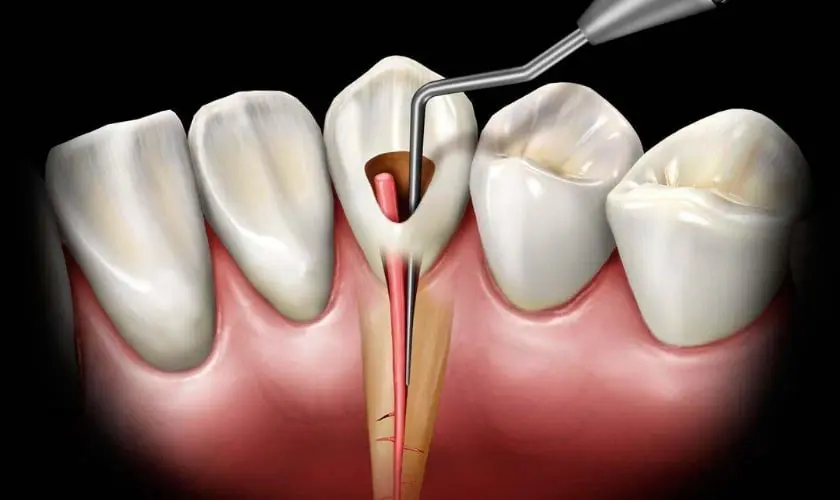
A bad or damaged tooth that is in poor condition can be saved by a root canal. However, in a few individuals, it appears that the toothache is recurring following the process, weeks, months and even years later. This may be frightening, particularly when they informed you that the root canal therapy was successful.
However, frequent pain does not necessarily imply failure. The knowledge of why this occurs and what to do next will enable you to safeguard your teeth and provide the information on when to seek the assistance of an emergency dentist in order to provide timely care.
Why Tooth Pain Can Still Occur After Treatment
Root canal therapy eliminates the pulp tissue that is infected and seals the canals to avoid reinfection. It is normally very efficient, but there are a number of reasons as to why the tooth might still hurt afterwards.
Normal Healing and Inflammation
It is expected that a little bit of pain may continue to occur in the few days following the root canal. The tools employed in the process of medication may irritate the tissues surrounding the root tip, and in the process of healing, your body responds with inflammation. This pain usually disappears in a period of one week.
Residual Infection or Incomplete Cleaning
Bacteria are sometimes left in small or inaccessible areas of the root canal system. Unless they are properly cleansed and covered in the initial procedure, these bacteria have the capacity to persist and lead to inflammation and pain.
Reinfection Through Restoration
Unless the permanent filling or the crown fitted after the root canal is sealed tightly, the oral bacteria may leak back into the canal. This may cause reinfection several months or even years after the first treatment.
Fractured Tooth or Crack
Even a tooth that has had a root canal performed on it may crack or even fracture – due to biting forces or trauma. These cracks may enable bacteria to invade or scratch the tissues supporting it, resulting in frequent pain.
Bite Problems or High Restoration
If the restoration on the treated tooth is even slightly high or not in line with your bite, then you might experience some pain whenever you chew. High pressure irritates periodontal tissues in the area of the tooth.
The Role of Infection and Inflammation in Delayed Pain
Even when the root canal procedure may appear to have been successful, in most cases, returning discomfort is due to persistent infection or inflammation.
Persistent Bacterial Presence
The tooth root structures, including nooks and side canals, are usually complex, thus making it hard to clean the entire tooth. Even a single colony of bacteria can cause the pain to recur in the root system by causing inflammation.
Bone or Soft Tissue Involvement
The infection may spread outside the tooth into the surrounding bone or soft tissue, thus causing the pain to persist or recur. This could require more advanced imaging or analysis to determine.
Secondary Issues
Even with the removal of the pulp, inflammation has the potential to persist ainthe periodontal ligament or the bone. Such inflammation occasionally leads to dull aching or a sensitive feeling when biting hard or when your tooth is subjected to a change of temperature.
What to Do When Pain Returns After a Root Canal
Persistent or recurrent pain should never be ignored, even if the discomfort seems minor at first. Here’s how to approach it:
Seek Timely Professional Evaluation
In case the pain extends past a couple of days and gets worse or reoccurs, despite the initial progress, book an appointment with an Emergency Dentist Sydney. They can:
- Check for reinfection and assess the quality of the original root canal
- Evaluate the restoration (filling or crown) and adjust the bite if needed
- Take updated X-rays to look for missed canals, fractures or bone changes
Consider Root Canal Retreatment
Retreatment could be advised in case the initial treatment was not effective in removing all the infection or failed to treat a canal. This will be followed by opening the tooth again, cleaning the canals thoroughly again and closing them up, thus killing the remaining bacteria.
Apicoectomy or Surgical Intervention
In other instances, a surgical procedure, such as removal of the root tip and the tissue surrounding the root, may be required, especially in cases of reinfection of the bone surrounding the root.
Extraction as a Last Resort
In case the tooth structure is compromised to the extent that it cannot be restored or you have already undergone several retreatments in vain, it may be necessary to extract the tooth to safeguard your general oral health.
Signs You Should Contact a Dentist Immediately
Recurrent or worsening pain — especially if accompanied by any of the following — warrants urgent professional attention:
- Pain that increases rather than settles down
- Swelling of gums or jaw near the treated tooth
- Pus, bad taste or discharge around the tooth
- Pain spreading to neighbouring teeth or the jaw
Delaying treatment often allows infection to progress, increasing the risk of bone loss or systemic complications.
FAQs
Is it normal to have some discomfort after a root canal?
Yes — mild soreness or sensitivity for a few days as tissues heal is common, but it should gradually improve rather than worsen.
Why can a treated tooth become painful again years later?
Recurrent pain years after a root canal may be due to reinfection, a new cavity at the restoration margin, a cracked tooth, or bacterial leakage.
Can root canals fail?
Yes — even though they are highly successful, root canals can fail if bacteria remain in the canals, reinfect the tooth, or if the tooth structure becomes compromised.
How long should pain last after a root canal?
Normal healing discomfort usually lasts a few days to a week. Pain that persists beyond this, returns after a period of relief, or becomes intense should be assessed by a dentist.
What is retreatment of a root canal?
Retreatment involves reopening the tooth, removing the old root filling, cleaning out residual bacteria, and resealing the canals to eliminate infection and prevent further pain.
When is extraction recommended?
Extraction may be considered when retreatment isn’t successful or the tooth is structurally damaged beyond repair.
Recurrent painful toothaches following a root canal are especially distressing. But they are manageable when detected at an early stage. Knowing what may have caused it, from incomplete cleaning to reinfection or structural issues, can make you aware of when you need to do something. Early diagnosis and treatment by a dental specialist will protect your teeth and oral comfort, making sure small issues will never get bigger.
Also Read
- How Safer Roads and Smart Tech Are Changing the Car Accident Landscape
- Preventive Dental Care: Your Path to Lifelong Oral Health
- Holistic Lab Testing for Better Health Outcomes

