


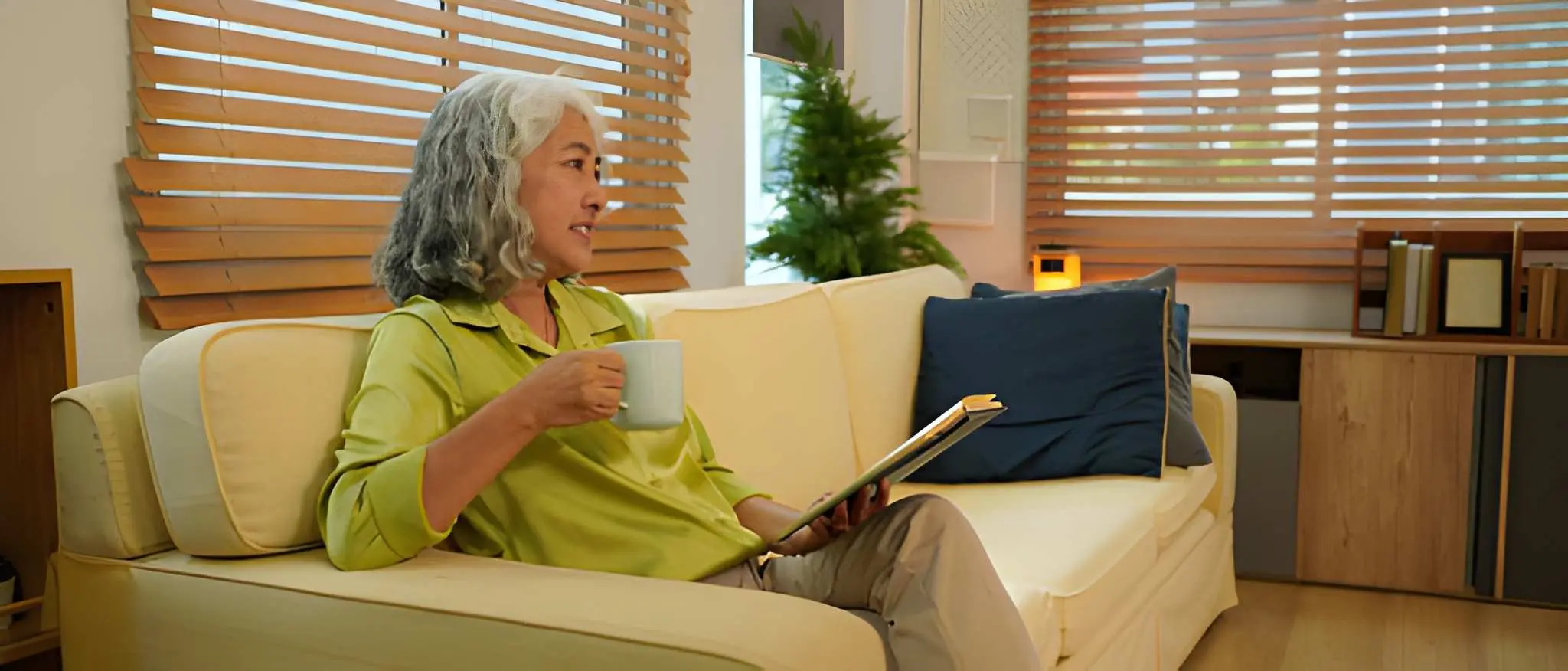
Designing senior living spaces requires a thoughtful balance between comfort, functionality, and dignity. As people age, their needs evolve, encompassing physical accessibility, social engagement, and emotional well-being. Spaces that prioritize ease of movement, intuitive layouts, and calming aesthetics can significantly enhance quality of life. Attention to lighting, acoustics, and communal areas ensures that residents feel both safe and connected, fostering a sense of independence while supporting daily routines.
Collaboration with assisted living construction experts in St George can help translate these principles into practical, livable designs. Experienced professionals understand how to integrate safety features, accessibility standards, and adaptable spaces without compromising a warm, homelike environment. From selecting materials that reduce fall risks to creating inviting social areas, these insights guide the development of senior living communities that honor residents’ dignity while promoting comfort and well-being.
Embracing Home-Like Environments
Relocating to a senior living community is a significant life change, so creating an environment that feels familiar and comfortable is essential. Incorporating elements such as soft lighting, inviting furnishings, and customizable areas helps residents maintain a sense of independence and eases their emotional adjustment. Rooms where residents can keep personal belongings foster a warm, personal atmosphere. The pandemic underscored the importance of cozy, personalized spaces for well-being and resilience. Simple features such as open floor plans and comfortable gathering areas increase the facility’s warmth. Choosing color schemes similar to residential settings, rather than institutional whites and grays, makes the space more welcoming. Flexible furniture and decor choices enable residents to personalize their environment, promoting a sense of ownership, satisfaction, and happiness.
Prioritizing Safety and Accessibility
For seniors, safety and accessibility are essential for independent living. Important features include wide doorways, lever handles, non-slip flooring, walk-in showers with grab bars, clear signage, and well-lit hallways to assist those with vision or cognitive impairments. These elements enhance safety, promote independence, and reduce the need for assistance. Emergency systems, such as pull cords and alert devices, provide peace of mind. Proper placement of outlets, easy-to-use thermostats, and simple appliances ensures safe and comfortable use. Floor plans without steps or thresholds lessen tripping risks. Adjustable lighting and high-contrast colors help individuals with declining eyesight or cognitive challenges to navigate more easily.
Integrating Natural Elements
Access to nature and natural light can significantly enhance the quality of life in senior living facilities. Incorporating large windows, indoor plants, and open views can help reduce stress and promote better sleep. Biophilic design, which connects residents with outdoor spaces and utilizes organic materials such as wood and stone, has consistently demonstrated positive impacts on mood and cognition.
Thoughtful outdoor spaces such as gardens, walking paths, and patios provide safe places for exercise and relaxation. Even the presence of small water features or bird feeders visible from communal lounges can introduce calming sensory experiences. Incorporating garden clubs or outdoor activities into daily routines gives residents a sense of purpose and joy as they interact with their surroundings.
Leveraging Technology for Enhanced Living
Technology can profoundly transform the senior living experience. Voice-activated devices, automated lighting, and safety monitoring systems empower residents to control their environment and seek help when needed. Telehealth options and virtual social engagement platforms promote health and reduce isolation. Integrating user-friendly tech ensures that safety and connectivity are always within reach, supporting seniors both physically and emotionally.
Smart home innovations, such as motion-activated lighting or sensors that notify staff of unusual activity, can prevent accidents and enable timely interventions. Digital activity calendars, online learning, and communal video calls enhance engagement without overwhelming less tech-savvy residents. Crucially, when training and support are integrated, technology shifts from an added complication to a meaningful enhancement to quality of life.
Designing for Social Engagement
Loneliness among seniors can be mitigated by creating spaces that encourage social interaction. Comfortable lounges, dining areas, game centers, and outdoor patios facilitate friendships and activity. Activities such as book clubs and gardening activities also promote social bonds. Well-placed amenities close to residents’ rooms and clear pathways make participation easier—design elements, such as sound-absorbing flooring and flexible seating, support groups of various sizes. Multipurpose rooms for events and classes provide a range of programs. Celebrating traditions and hosting events strengthen community ties and foster a sense of belonging, helping residents stay engaged every day.
Personalizing Spaces to Reflect Individuality
Environments that allow residents to personalize their space strengthen their sense of belonging, autonomy, and happiness. Activities such as hanging art, selecting bedding, or displaying memorabilia help residents feel more empowered. Encouraging resident-led projects and offering a variety of decor options fosters pride, respects individual preferences, and enhances mental well-being. Personalization also helps reduce depression, promotes community involvement, and supports overall well-being.
Ensuring Cultural Sensitivity in Design
Modern senior living must address the diverse backgrounds of its residents. Inclusive design involves incorporating artwork, color schemes, and amenities that reflect various cultural traditions. Communal kitchens for ethnic cooking, celebration rooms for religious events, and multilingual signage ensure that all residents feel seen and respected.
When residents are invited to share their customs—whether through music, holidays, or communal meals—a richer, more vibrant community life develops. Environments where cultural needs are respected and actively accommodated promote understanding, reduce isolation, and enable every resident to stay true to their values and heritage.
Conclusion
Senior living spaces that truly prioritize comfort and dignity are grounded in empathy, flexibility, and intentional design. By combining home-like touches, robust safety features, nature-inspired elements, and advanced technologies, communities can offer environments where seniors not only live, but thrive. Success comes from designing with care for the individual—each story, preference, and tradition becomes a building block for a respectful and vibrant home. The most successful senior living environments are those that continually adapt to new research, evolving preferences, and the diverse needs of their residents.
Also Read-
Technology That Actually Helps Healthcare Work Better
How to Design Your Own Shed and Make It Fit Your Lifestyle
A Complete Homeowner’s Guide to Vinyl Window Installation and Understanding Window Parts

