


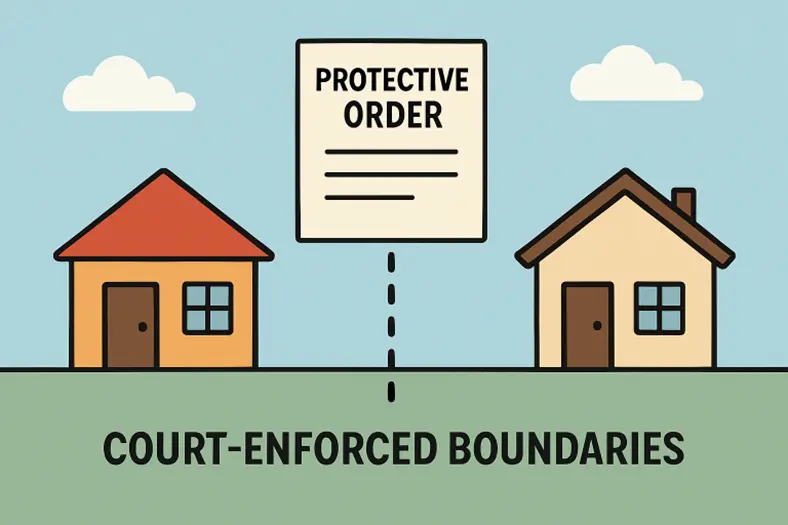
Introduction to Georgia Protective Orders
Protective orders, sometimes called restraining orders, play a critical role in safeguarding individuals who fear for their safety because of threats or acts of domestic violence. In Georgia, these legal tools are commonly issued during the early stages of domestic violence or harassment cases, establishing clear boundaries intended to prevent further harm. Understanding how a protective order can impact your circumstances helps both accused individuals and victims navigate the legal landscape and protect their rights. If you are involved in a domestic violence case, whether as a petitioner or respondent, it is crucial to consult a knowledgeable domestic violence protective order attorney to ensure your interests are adequately represented.
The decision to seek or defend against a protective order is immense. These orders can shape child custody, restrict access to your home, and, in some cases, limit your contact with family members. Protective orders serve as a buffer for those feeling threatened and also provide due process to the accused. Awareness of the laws, procedures, and potential repercussions is vital for every party involved.
In Georgia, the courts treat credible allegations of domestic violence and threats with utmost seriousness. Judges have broad discretion when granting protective orders, and both parties must prepare for hearings that closely examine the facts and circumstances. Courts require robust evidence before imposing or lifting restrictions, ensuring a fair process that protects safety and preserves constitutional rights.
Protective orders not only support physical safety but may also have long-term effects on employment, housing, and personal relationships. For that reason, seeking legal advice early can be the difference between an equitable resolution and ongoing hardship.
Types of Protective Orders in Georgia
Georgia law recognizes two primary types of protective orders: temporary protective orders (TPOs) and permanent protective orders (PPOs). Temporary protective orders are emergency court orders intended to provide immediate relief, often granted without the alleged abuser present (ex parte). These orders typically last up to 30 days, or until a hearing can be scheduled to determine if a longer-term order is warranted.
Permanent protective orders, on the other hand, are typically issued after a full hearing where both parties can present evidence. A PPO can remain in effect for up to 1 year, but may be extended upon request or converted into a mutual order if circumstances warrant. Each order can include specific restrictions on physical contact, communication, property possession, and child visitation.
Protective orders do not require a criminal conviction and can exist independently of criminal proceedings. However, the existence of an order may influence the outcome of associated criminal, divorce, or child custody hearings.
Filing Process and Requirements
Any individual who alleges that another person poses a credible threat of violence or harassment may petition the local Superior Court for a protective order. The petitioner must describe the acts or threats that form the basis for the request in an affidavit. In emergency cases, a judge can issue an ex parte TPO almost immediately, but a full hearing will be scheduled within 30 days to determine if ongoing protection is justified.
At the hearing, both the petitioner and respondent may present testimony, submit evidence, and bring witnesses to support their position. Judges consider the seriousness of the threat, the parties’ relationship, and any relevant criminal history before ruling. Details on the court process and user rights are available through the Georgia.gov website.
Impacts on Your Case and Rights
The granting of a protective order can have wide-reaching effects. For the respondent, it may result in immediate removal from a shared residence, a temporary loss of child visitation rights, and strict limitations on firearm possession. Protective orders are reported to law enforcement, and violations can result in arrest or additional criminal penalties.
For the petitioner, a protective order provides a formal mechanism for safety and accountability, and it offers clarity in situations where informal agreements may not have been effective. In family law cases or ongoing criminal proceedings, protective orders may be used as evidence to support claims or defenses, especially regarding the best interests of children or personal safety.
Violating a Protective Order
Violating a protective order in Georgia is a criminal offense, even if the petitioner initiates contact. Consequences include arrest, contempt of court, increased penalties in related criminal cases, and possible jail time. Law enforcement takes these violations seriously, and courts have little tolerance for those who disobey court orders. Understanding the specific terms of a TPO or PPO is essential to avoid inadvertently risking your freedom or worsening your situation.
Georgia’s approach is similar to many other states, as highlighted in a New York Times article on protective orders, aiming to provide swift, recognizable consequences for continued harassment or violence.
Defending Against a Protective Order
If you have been served with a protective order, you have the right to contest it at a hearing. Common defenses include lack of credible threat, false or exaggerated claims, or absence of evidence supporting the allegations. The sooner you consult with an attorney, the better prepared you will be to present your side of the story through documentation, witness testimony, or other reliable evidence.
Having a permanent protective order on your record can affect your reputation, employment prospects, and family relationships. An experienced defense attorney can help protect your rights, prevent unjust or overly broad restrictions, and seek to modify or dismiss the order if warranted. Preparation and diligent representation are key to a fair process.
Resources and Support
Fortunately, Georgia residents have access to various resources, including legal aid services, crisis hotlines, and advocacy organizations that offer free or low-cost assistance to both victims and respondents. Knowing your rights and options, and accessing reliable guidance, can make a significant difference at every stage of the process. The National Domestic Violence Hotline and local community organizations are vital support networks for individuals navigating the protective order system.
Conclusion
Protective orders are essential legal tools within Georgia’s justice system. They serve to protect victims, but they also require careful handling to protect the rights and futures of the accused. Whether you are seeking protection or defending yourself against an order, understanding each stage of the process and your rights is essential. Always speak to a legal professional for guidance specific to your case and take advantage of the many resources available to Georgia residents.
Also Read-How to Remove Rust from Metal Fixtures in Your Home

