


Introduction
Car accidents can instantly disrupt your day, leaving even the calmest individuals feeling rattled and overwhelmed. In such situations, maintaining composure and knowing the proper steps is crucial for your immediate safety and protecting your legal rights in the longer term. A well-laid plan can be invaluable in such high-pressure moments. From ensuring the safety of everyone involved to handling subsequent insurance claims effectively, every step matters. If you deal with the complexities of legal rights after a serious accident, an Albuquerque personal injury lawyer can provide the guidance necessary to navigate these challenges efficiently.
The immediate aftermath of a car accident can be frightening, and worry may make your pulse beat faster. Nevertheless, familiarizing yourself with the necessary procedures and having a checklist can significantly alleviate the stress, ensuring a smoother and more organized handling of the situation. This thorough book provides the tools to properly handle the fallout from a vehicle accident, safeguarding your health and aiding in your recuperation.
Immediate Actions to Take
In the immediate aftermath of a car accident, your first instinct might be to panic, but taking a moment to breathe and stay calm is paramount. Quickly assess your physical state and check for any visible injuries. Suppose you can; look around to ascertain the condition of other passengers involved. Directly following an accident, gauge your surroundings. If the situation allows, safely move your vehicle out of active traffic lanes to prevent further incidents or injuries. The initial response can significantly impact how the situation unfolds and is critical in mitigating the overall stress and repercussions of the accident.
Ensuring Safety and Calling for Help
Once you are safe, immediately contact emergency services by calling 911. This step is crucial, regardless of the accident’s perceived severity. While police presence offers an official record of the occurrence, emergency responders can provide medical help and ensure the site is secured. This step often plays an integral role in insurance and legal inquiries, including obtaining Treasure Coast homeowners insurance quotes. As highlighted in the guidance from road safety experts, prioritizing professional assessment at an accident scene is vital to ensure everyone’s safety and begin the necessary documentation processes.
Documenting the Scene
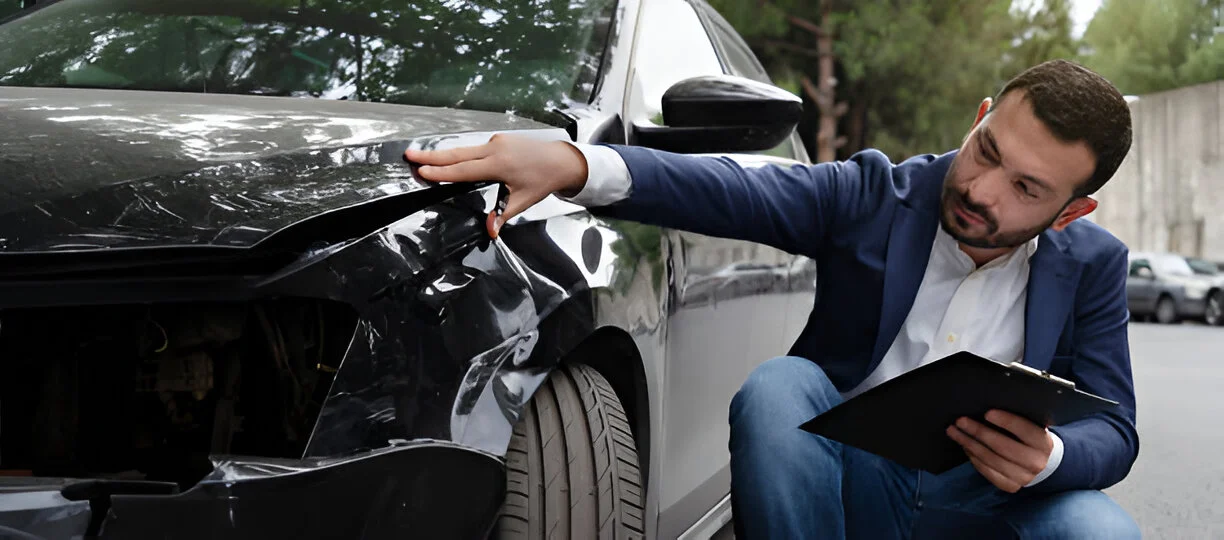
Accurate documentation of an accident scene can be straightforward yet highly beneficial. Utilizing a smartphone or camera, capture clear images that encompass the vehicle damages, any visible injuries, vehicle license plates, and traffic signals or signs that may have played a role in the incident. It’s also advisable to record the positioning of the vehicles and any road conditions present at the time of the accident. These pieces of photographic evidence can be crucial later, assisting insurance companies in processing claims and lawyers in potential legal battles if disputes over fault or compensation arise.
Exchanging Information with Other Parties
A polite exchange of information with other parties involved in the accident is necessary for future insurance claims and potential legal needs. Collect essential information such as the names, contact details, driver’s license numbers, and insurance particulars of all drivers involved. In some cases, securing contact details of any witnesses can also prove beneficial in the claims process. This step aligns with official DMV guidelines, emphasizing the importance of comprehensive records post-accident. Such data ensures effective communication and clarity when filing insurance claims or addressing liability disputes.
Navigating Insurance Claims
Filing an insurance claim should be done promptly following an accident. Contact your insurance company immediately, providing all evidence and information collected at the scene. Be transparent and detailed in your accident account, supplying photographic evidence and witness accounts when available. Efficiently navigating the insurance claim process can significantly accelerate the resolution of your case and quicken reimbursement for damages and medical expenses incurred during the incident. Legal experts often recommend keeping a personal record of all interactions with insurance representatives to support any further claims made.
Dealing with Post-Accident Stress
Experiencing a car accident can have lasting psychological effects, triggering stress responses long after the event has concluded. It is crucial to address and manage these feelings to aid recovery. It might be helpful to partake in restorative practices like yoga, meditation, or conversation with loved ones. If stress or anxiety symptoms persist, consulting a mental health professional may provide coping strategies. Recognizing and addressing these feelings promptly assures a healthier mental state as you proceed through post-accident recuperation and any subsequent legal processes.
When to Seek Legal Counsel
In situations where injuries are significant, liability is unclear, or insurance companies are uncooperative, it may be necessary to seek professional legal counsel. A skilled attorney can help you comprehend responsibility issues, bargain with insurance companies, and protect your rights if the case goes to trial. Having a legal representation may significantly alter the processes and results, particularly in situations involving significant damages or disagreements about blame.
Preventing Future Accidents
Reflecting on a recent accident can be an invaluable learning experience, paving the way toward safer driving practices in the future. Staying informed on current traffic laws, continuing education through defensive driving courses, and adhering to road safety advice create a safer driving environment. By consciously focusing on road awareness and attentiveness while driving, you embrace a proactive role in reducing the likelihood of encountering future accidents.By following the comprehensive steps detailed in this guide, you can competently manage the aftermath of a car accident, minimize associated stress, and safeguard your immediate well-being and legal interests for the road ahead.
Also Read: The Long-Term Value of Customizing Your Home Insurance for Maximum Discounts

