


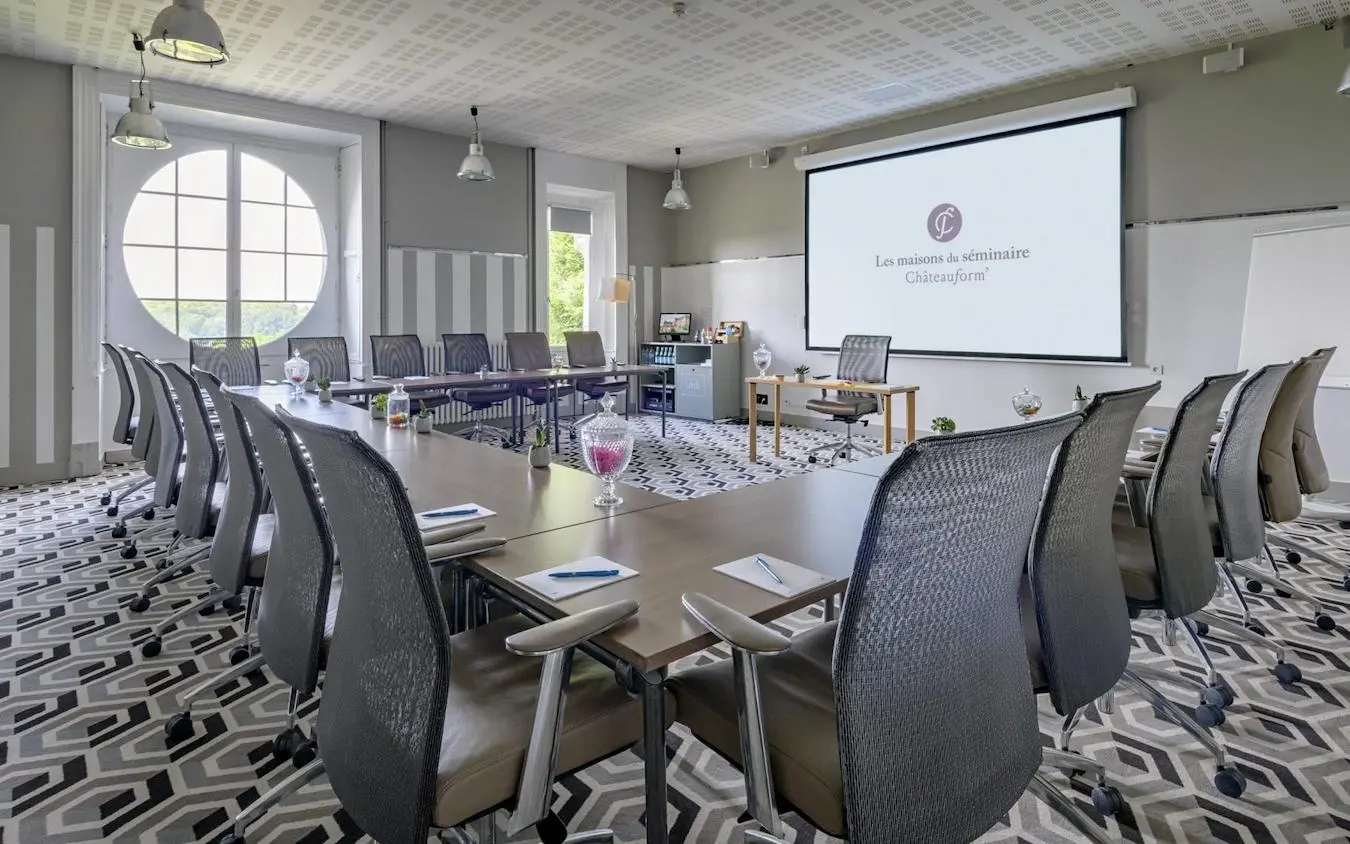
Event planning, particularly within the corporate world, requires a meticulous blend of attention to detail, understanding the purpose of the event, and ensuring the chosen venue complements the goals of the function. If you are tasked with organising a corporate function, selecting the right conference space is pivotal in creating the desired impact and producing a successful outcome.
Identifying Your Event Objectives
Prior to delving into the logistics of venue selection, it’s essential to outline the objectives of your corporate event. Whether it’s networking, education, product launching, or team building, the purpose will shape the type of conference space required. A clear understanding of what you aim to achieve will help filter your options and identify venues that cater to your specific needs.
Size and Capacity
One of the initial considerations when choosing a conference space is its size and capacity. The venue must comfortably accommodate all attendees, whilst also providing an appropriate setting that fosters interaction and engagement. Underestimating or overestimating the space needed could lead to logistic challenges or an unsuitable atmosphere for your function.
Location and Accessibility
The location of your conference space is critical in determining attendance rates. Venues that are centrally located and easily accessible via various modes of transportation are generally preferred. Consider proximity to airports, train stations, and major highways, especially if expecting out-of-town participants. Additionally, adequate parking and disability access are factors that must not be overlooked.
Amenities and Services
When selecting a venue, assess the available amenities and services that can enhance the event experience. Getting high-quality audio-visual equipment, robust internet connectivity, on-site catering options, and technical support are features of a well-equipped conference space. The presence of these facilities can significantly influence the smooth operation of your corporate function.
Atmosphere and Brand Alignment
The ambiance of the conference space should resonate with your company’s brand and the theme of the event. A venue’s interior design, architectural style, and general aesthetic appeal can complement your event narrative and leave a lasting impression on guests.
Flexibility and Layout Options
Consider venues offering flexible room layouts and the ability to customise the space to fit your event format. Whether you require a theatre-style setup for presentations, a boardroom layout for workshops, or a banquet arrangement for gala dinners, the chosen conference space should be adaptable to your layout specifications.
Budget Considerations
No event planning is complete without stringent budget considerations. It’s vital to find a balance between a venue that meets all your requirements and staying within financial constraints. Ensure clarity in the breakdown of costs, including rental fees, service charges, and any additional expenses that may arise.
Site Visits and Inspections
Images and descriptions of venues can be deceiving. Hence, it is advisable to conduct a thorough site visit to the shortlisted conference spaces. Physical inspections allow you to evaluate the suitability of the venue firsthand, checking for any discrepancies that may interfere with the event’s logistics or attendee comfort.
Reputation and Testimonials
The track record of a venue is an indicator of their service quality and reliability. Research the venue’s reputation, read testimonials from previous clients, and possibly seek recommendations from industry peers. Past experiences and feedback can guide your decision-making process, reducing the risk of unforeseen complications.
Negotiation and Booking
Once a suitable conference space has been selected, negotiation plays a critical role in finalising your booking. Discuss potential customisations, clarify the terms and conditions of the venue hire, and negotiate the best possible rates. It is prudent to secure your booking well in advance to avoid any last-minute unavailability or price hikes.
Contingency Planning
Having contingency plans in place can avert crises on the event day. Ensure that your chosen conference space can accommodate unforeseen changes such as additional guests, technical difficulties, or inclement weather if the event has any outdoor components.
Professional Support and Staffing
A well-trained and hospitable venue staff can significantly influence the success of your event. From receptionists to technical support teams, experienced professionals can handle event intricacies efficiently. Ascertain the levels of professional support available at the venue to facilitate a smooth event flow.
Sustainability and Environmental Considerations
The increasing emphasis on sustainability has led to a greater expectation from corporations to conduct eco-friendly events. Venues with green credentials and sustainable practices can improve your company’s environmental image and align with corporate social responsibility goals. Consider these elements when choosing your conference space.
Concluding Remarks
Selecting the perfect conference space for a corporate function is a nuanced process that requires a balanced consideration of several factors. Understanding the event objectives, ensuring the venue’s features align with these goals, considering the logistics, and ultimately partnering with a reputable and accommodating venue are essential steps to master corporate event planning. By conducting thorough research, due diligence, and meticulous planning, you can confidently choose a venue that will contribute to the success and lasting impact of your corporate function.
Also Read-Becoming Stronger Through Life’s Challenges

