


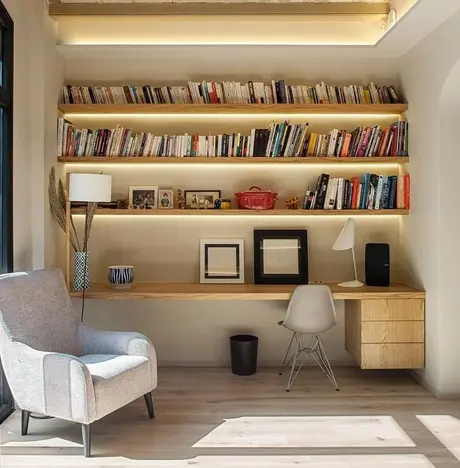
A well-designed study room is more than just a space to read and take notes—it’s a productivity powerhouse that can help you focus, stay organized, and achieve your goals. Whether you’re a student preparing for exams, a professional working from home, or someone simply seeking a quiet spot to concentrate, the design of your study room plays a critical role in your ability to stay productive. Below are the essential elements of a study room design that can help maximize your efficiency and focus.
1. Ergonomic Furniture for Comfort and Health
The key to a productive study room lies in comfortable and supportive furniture. Poorly designed chairs or desks can lead to discomfort, making it difficult to focus for extended periods. Start with an ergonomic chair that promotes healthy posture and supports a proper sitting position. Look for features like adjustable height, lumbar support, and a seat that encourages an open hip angle. Pair it with a spacious desk that accommodates all your work essentials—whether a laptop, books, or writing materials—while allowing you to work at a comfortable height.
If you’re in Las Vegas and looking for office desks, consider a standing desk for the flexibility to alternate between sitting and standing. This can help improve circulation and boost energy during long study or work sessions. A well-designed ergonomic setup reduces strain on your back, neck, and wrists, enabling you to concentrate without physical distractions.
2. Optimal Lighting for Focus and Comfort
Lighting is crucial in a study room as it directly impacts your ability to focus. A well-lit room can reduce eye strain and create an environment conducive to productivity. Ideally, the study room should have a combination of natural and artificial light sources. Natural light helps boost mood and energy levels, so position your desk near a window to take advantage of daylight. If your space lacks ample natural light, consider adding a few large mirrors to reflect light around the room.
For artificial lighting, opt for a combination of overhead lights and task lighting. A desk lamp with adjustable brightness can be especially useful for reading and writing. Be sure to choose a lamp with warm, soft light to reduce glare and harsh shadows. Overhead lighting should be bright enough to illuminate the entire room without being too harsh. Avoid overhead fluorescent lights, as they can create a sterile, uncomfortable atmosphere.
3. Decluttered and Organized Space
A cluttered study room is a productivity killer. Disorganization leads to distractions and reduces your ability to concentrate. One of the first things to address in your study room design is storage. Invest in shelves, cabinets, or drawers to keep books, stationery, and office supplies neatly organized and out of sight. Use organizers to sort papers and important documents, keeping your work surface clear and tidy.
Consider a minimalist approach to design, keeping only the essentials in your study room. This not only helps reduce distractions but also promotes a calm and focused environment. Label storage containers to make finding materials easier and implement a system for regularly decluttering the space to keep it organized.
4. Color Scheme and Ambiance
The colors you choose for your study room can influence your mood, energy, and focus. Research suggests that certain colors can enhance concentration and creativity. For example, blue is known for promoting calm and concentration, while green can help reduce stress and create a balanced environment. Neutral tones like beige, gray, and white can provide a clean, uncluttered atmosphere, allowing you to focus better.
Accent colors can be used sparingly to add personality and creativity to the room, but try to keep the main color scheme soothing and calming. Avoid overly bright or bold colors like red, which can increase anxiety and disrupt focus.
5. Personalization and Motivation
While it’s important to maintain a clean and organized space, personalizing your study room can enhance your motivation and make it a space where you want to spend time. Add motivational quotes, artwork, or personal items that inspire you. However, keep the decor minimal to avoid overwhelming the space with distractions.
One way to personalize the room is by incorporating a vision board or a bulletin board where you can pin reminders, goals, or inspirational images. This serves as a constant visual reminder of your goals and can help keep you motivated while you study.
6. Technology Integration
In today’s digital age, technology plays a significant role in many study environments. A study room should be equipped with the necessary tech to help you stay productive. This includes a computer or laptop, charging stations, and high-speed internet. Organize your tech equipment so that cables and wires don’t clutter your desk. A cable management system can keep everything neat and tangle-free.
If you often use a printer or scanner, make sure these are easily accessible but don’t take up too much space. A Bluetooth speaker can also be a great addition to listen to background music or white noise, which can enhance focus for some people.
7. Acoustic Considerations
Sound can have a significant impact on your concentration and productivity. If your study room is in a noisy area, consider soundproofing the space with thick curtains, rugs, or acoustic panels. Noise-canceling headphones can also be a great addition if you prefer working with minimal background noise. On the other hand, if you enjoy listening to music while studying, ensure the acoustics of the room support clear sound without distractions.
In Conclusion
Designing a study room that maximizes productivity is about creating an environment that supports focus, organization, and comfort. By incorporating ergonomic furniture, optimal lighting, a decluttered layout, a soothing color scheme, and personalized touches, you can create a space that motivates you to perform your best work. Consider integrating technology and acoustic solutions that enhance your concentration, and remember that consistency is key—regularly maintaining the room and keeping it organized will ensure it continues to support your productivity goals.
Also Read-Budgeting for Home Maintenance

