


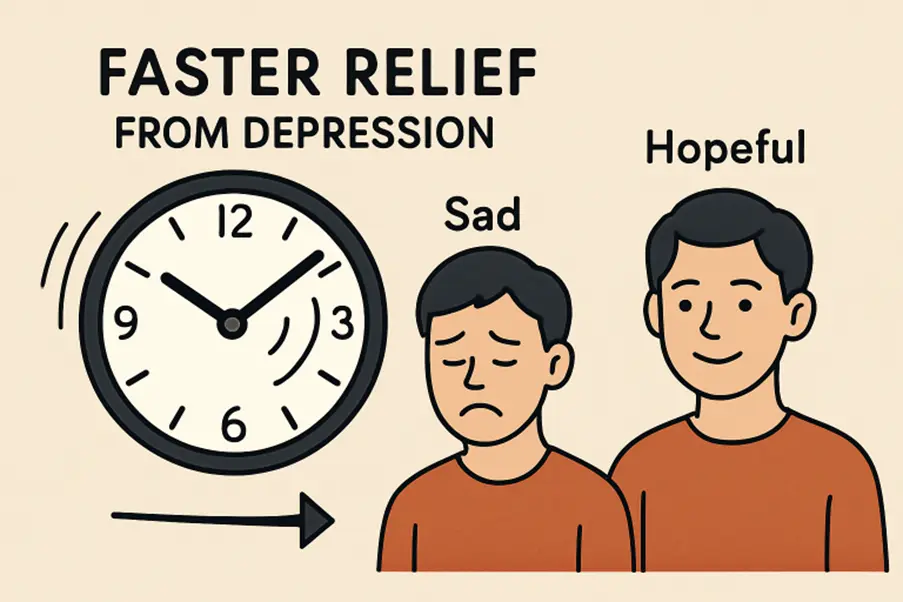
The Rising Need for Faster Solutions in Treating Depression
Depression affects more than 264 million people worldwide, according to the World Health Organization, with numbers climbing due to social, economic, and environmental stressors. Traditional courses of treatment—often involving weeks to months of medication adjustments and therapy sessions—can feel discouragingly slow for those suffering from persistent low mood, fatigue, and hopelessness. Long wait times for relief put patients at risk for crisis, lost productivity, and a diminished quality of life.
This urgent need for speedier symptom resolution has paved the way for innovative solutions. Advanced clinical approaches now offer new hope to those seeking faster improvement. Clinics like brainhc.com are pioneering quick-start therapy programs designed to achieve results in a shorter timeframe and provide tailored, evidence-based support.
Faster intervention allows individuals with thoughts of self-harm, social withdrawal, or disruptive symptoms to access care sooner, marking a significant shift in mental health treatment. Quicker turnaround is crucial for those whose careers, family, or education require focus and function. Advocates stress that shortening treatment isn’t just convenient but vital for early recovery and reducing stigma by showing conditions can be managed quickly and effectively. Accelerated depression treatments aim to reduce time to symptom relief, often within days or hours, using intensive therapy, innovative medications, neuromodulation, or a combination. These targeted, high-frequency interventions—like daily sessions or techniques such as transcranial magnetic stimulation (TMS)—complement ongoing therapy, especially for those unresponsive to traditional methods.
Promising Innovations in Accelerated Therapy
Recent research highlights a wave of rapid-acting treatments that are reshaping the landscape of depression care. The National Institutes of Health has spotlighted several novel rapid-acting depression treatments, including ketamine infusions, which can alleviate symptoms within hours for certain patients. Other advances include esketamine nasal sprays and high-dose intermittent TMS, both of which have demonstrated effectiveness in cases of treatment-resistant depression.
Clinical case studies and early real-world results show that these approaches may relieve individuals who have endured prolonged periods of ineffective therapy. By targeting different neurochemical pathways than traditional antidepressants, these options can offer a new avenue for hope and recovery.
Benefits and Potential Risks of Speeding Up Mental Health Care
The primary benefit of accelerated approaches is obvious: patients find relief faster, reducing personal suffering and potentially preventing serious outcomes like hospitalization or suicide. Shortened treatment times can also save money, allow for a quicker return to daily functioning, and improve long-term mental health management for many individuals.
However, speeding up care is not without its risks. Some fast-acting interventions may result in side effects such as dissociation, high blood pressure, or mood swings. There are also ethical and clinical considerations about ensuring that accelerated methods are used appropriately and safely. Mental health providers must carefully balance the desire for fast improvements with thorough screening, individualized care, and ongoing monitoring.
Clinics and professionals are tasked with weighing these factors, prioritizing patient safety while striving for the most efficient and effective outcomes.
Who Can Benefit From Accelerated Treatments?
Accelerated depression therapies are particularly well-suited to individuals with severe, persistent depression, those not responding to standard care, and people in acute crisis. Determining appropriateness involves a thorough assessment of medical history, current medications, and psychiatric evaluation.
These methods may also provide hope to special populations such as adolescents, seniors, and individuals with chronic physical illnesses. Tailoring interventions to each group’s unique needs and risks ensures that acceleration does not compromise safety or efficacy. For example, elderly patients may require additional monitoring, and young people may need family-centered approaches.
What Patients Should Ask Before Starting Accelerated Therapy
Patients should ask their healthcare providers about available accelerated treatment options, their progress measurement, side effects, insurance coverage, out-of-pocket costs, and the frequency of sessions or appointments. They should also consider how these treatments integrate with ongoing or previous therapies. This empowers patients to make informed decisions considering immediate and long-term needs, ensuring they are well-informed about their treatment options.
The Role of Ongoing Research and Clinical Trials
Scientific progress is rapidly advancing the field of depression therapy. Today’s breakthroughs result from rigorous clinical trials, many inviting voluntary patient participation. New classes of antidepressants, such as NMDA receptor modulators, and novel neuromodulation techniques are currently under investigation.
Participating in a clinical trial can be a meaningful way for those interested in cutting-edge therapies to access emerging treatments before they become available.
Everyday Habits That Support Faster Recovery
No matter the speed or sophistication of clinical interventions, lifestyle factors remain a cornerstone of depression management. Holistic practices such as regular exercise, healthy sleep routines, balanced nutrition, and mindfulness techniques can all accelerate and stabilize recovery. Social support—through friends, family, or peer groups—offers additional resilience against setbacks.
Integrating self-care strategies with evidence-based therapy creates a robust, personalized pathway to sustained well-being. Simple daily habits can, when practiced consistently, enhance the benefits of even the fastest-acting clinical treatments.
Looking Toward a Future of More Accessible Mental Health Care
The future of depression care looks promising, with technology making advanced treatments more widely accessible than ever before. Telemedicine, digital therapeutics, and remote monitoring tools are poised to revolutionize how patients engage with mental health professionals and track treatment outcomes.
Advocates hope that as research continues and policy shifts toward parity in mental health coverage, these accelerated therapies will become standard options—available to anyone who needs them, regardless of postcode or income level. The era of waiting months for relief is giving way to a new reality: timely, effective, and compassionate depression care for all.
Conclusion: Redefining the Timeline of Healing
The push toward faster solutions in depression care reflects both an urgent need and a hopeful shift in modern medicine. By blending rapid-acting therapies, ongoing clinical research, and supportive lifestyle practices, individuals have more opportunities to find timely relief. While caution and personalized monitoring remain essential, these accelerated treatments mark a turning point—showing that depression no longer has to mean months of waiting for improvement. As innovation continues and access expands, the path forward is clear: mental health care that is quicker, safer, and more responsive to the real-world needs of patients.
Also Read-Life Events and Real Estate: Factors Leading to Selling Your Home for Cash

