


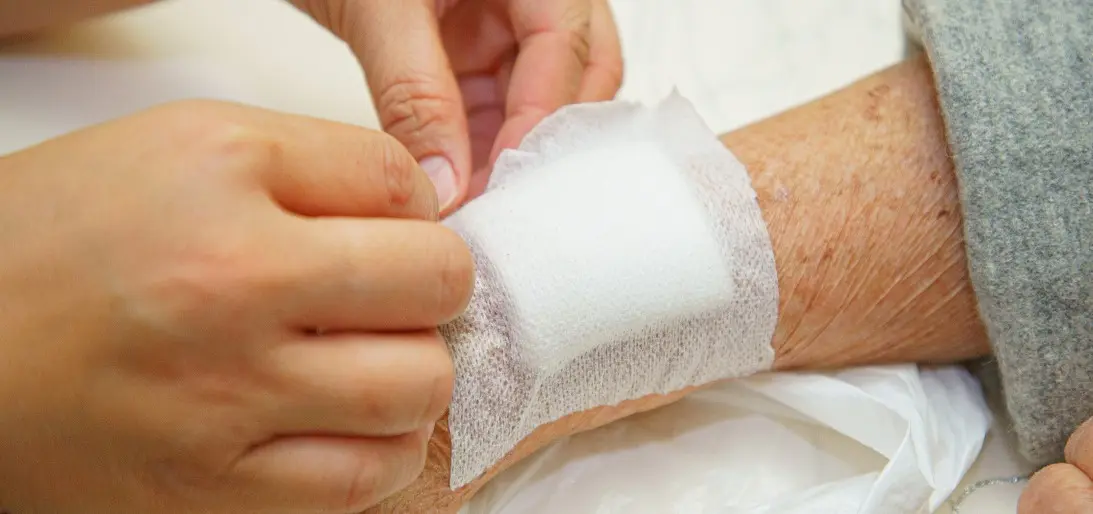
Wound care is a critical aspect of healthcare and personal well-being. Whether due to minor accidents, surgeries or chronic conditions, managing wounds effectively is key to avoiding complications and ensuring a swift recovery. In recent years, advancements in wound care products have significantly improved the effectiveness and convenience of managing injuries. Among the most noteworthy of these advancements are self adhesive bandages. These products have begun to revolutionise the way individuals and healthcare professionals approach first aid and wound management.
The Evolution of Bandaging
Traditional wound care involved the use of gauze, tape, and sometimes complicated wrapping techniques that required a fair amount of skill and time to apply properly. These methods, while effective, had their drawbacks, such as the potential for allergy to the adhesive in tapes, difficulty in keeping bandages in place, and discomfort upon removal.
Self adhesive bandages have brought simplicity and efficiency to this process. With an easy-to-apply design that does away with the need for separate tapes, they provide a level of convenience unmatched by their traditional counterparts. Moreover, they have been designed to address many of the issues associated with older bandaging methods.
The Key Benefits of Self Adhesive Bandages
Self adhesive bandages offer a range of benefits that make them an indispensable part of modern wound care. Firstly, they are incredibly user-friendly, which makes them suitable for both professional healthcare settings and personal first aid kits. The ease with which these bandages can be placed allows anyone to quickly protect a wound against infection and further injury.
Another advantage is durability. These bandages are designed to adhere securely to the skin, resisting water, and staying in place even during movement and perspiration. This secures the wound for longer periods, which is crucial for uninterrupted healing.
Comfort is also a key aspect. Self adhesive bandages often use materials that are breathable and gentle on the skin, reducing the risk of irritation and allergies. In addition, they can be removed painlessly without causing damage to the skin or pulling on body hair.
Applications of Self Adhesive Bandages
Self adhesive bandages have a wide range of applications, making them a versatile tool in wound management. They are ideal for securing dressings on cuts, abrasions, and minor burns. In sports medicine, these bandages are frequently used to support sprains and strains or to hold ice packs in place.
Additionally, they play a vital role in post-operative care. By providing a secure seal around surgical sites, self adhesive bandages protect incisions from infection and aid in keeping the area clean and undisturbed during the healing process.
In chronic wound management, such as for ulcers or long-standing sores, these bandages can be used in conjunction with other advanced wound care materials to maintain a moist healing environment and reduce the chances of secondary infections.
Considerations for Choosing Self Adhesive Bandages
When selecting self adhesive bandages, it’s essential to consider the specific needs of the wound or condition. Factors such as the size and location of the wound, the need for waterproof properties, and the sensitivity of an individual’s skin should all be taken into account.
Furthermore, self adhesive bandages come in a variety of sizes and shapes, designed for different body parts and types of wounds. Choosing the right size ensures that the bandage covers the entire wound adequately without restricting movement unnecessarily.
It’s also important to consider the period during which the bandage will be worn. For longer-term use, it’s advisable to select a bandage with stronger adhesive properties and higher breathability to maintain skin health.
Integrating Self Adhesive Bandages into First Aid Practices
Integrating self adhesive bandages into first aid practices is straightforward due to their ease of use. For individuals, this may mean replacing traditional tapes and gauzes in home first aid kits with an assortment of self adhesive bandages. This ensures that the right type of bandage is on hand for any minor injury that may occur.
For healthcare professionals, staying up-to-date with the latest wound care materials, including self adhesive options, is crucial. By understanding the advantages and applications of these bandages, they can offer better care and advice to patients for efficient wound management.
Training and Education in the Use of Self Adhesive Bandages
Though self adhesive bandages are designed for simplicity, proper training and education should not be overlooked. Both professionals and casual users should understand how to apply and remove these bandages correctly to prevent complications. Education on wound care hygiene, proper bandage disposal, and the signs of infection is also valuable for anyone responsible for wound management.
Final Thoughts on the Impact of Self Adhesive Bandages
In conclusion, self adhesive bandages represent a significant leap forward in the field of wound care. They have eliminated many of the complexities associated with traditional bandaging, offering a user-friendly, reliable, and comfortable solution for managing a wide array of injuries and conditions.
With the advancements in self adhesive bandage technology, individuals and healthcare providers alike can look forward to improved outcomes and a smoother healing process. As these products continue to evolve, the benefits they offer will undoubtedly expand, further solidifying their place as an essential component of effective wound management strategies.
Sourcing Quality Self Adhesive Bandages
For those considering the addition of self adhesive bandages to their first aid arsenal, it’s vital to source products from reputable suppliers. Quality bandages are key to ensuring optimal wound care and support throughout the healing process.
To explore a wide range of self adhesive bandages that cater to various wound care needs, visit Alpha Medical Solutions. Their selection ensures you can find the right type of bandage to facilitate effective wound management and contribute to a faster, more comfortable recovery.
Also Read-Harnessing Technology for Efficient Home Management

