


Introduction to Sustainable Building Methods
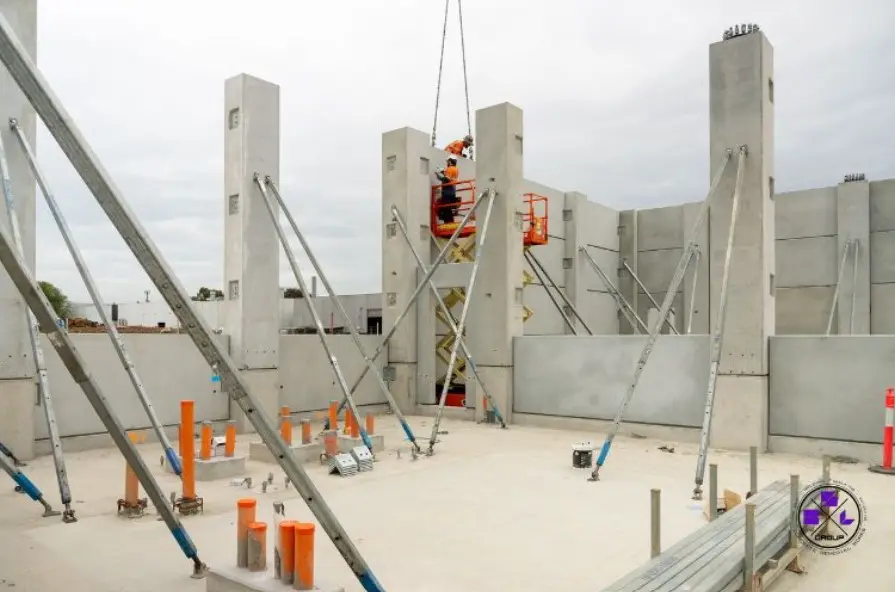
In the quest for sustainability within the construction industry, innovative techniques and materials are constantly being evaluated and adopted to meet the environmental, economic, and social challenges of our times. One such innovative approach making significant strides in the realm of sustainable construction is the use of precast concrete panels. This article delves into the numerous advantages offered by precast concrete panels and the role they play in the future of building.
The Production of Precast Concrete Panels
Precast concrete panels are manufactured in controlled factory settings, employing reusable molds and requiring less energy compared to standard on-site concrete construction. This manufacturing process not only allows for tighter quality control but also decreases the environmental footprint associated with traditional concrete work.
Durability and Longevity
One of the most significant advantages of precast concrete lies in its durability. These panels are known for their longevity, successfully withstanding extreme weather conditions, fire, and pests. This durability ensures that buildings have a longer lifespan, reduce maintenance costs, and have better overall performance throughout their use.
Speed and Efficiency On-Site
The use of precast concrete panels expedites on-site construction processes. Since the panels are manufactured off-site and delivered ready to install, this minimises the time required for on-site curing and assembly, allowing projects to proceed more quickly and efficiently. This time-effective method can lead to substantial cost savings and less on-site waste generation.
Thermal Efficiency
Precast concrete has an inherent capacity for thermal mass, absorbing and retaining heat and subsequently releasing it gradually. This feature enhances the energy efficiency of buildings, reducing the reliance on artificial heating and cooling systems, and makes a positive contribution to the building’s overall sustainability.
Acoustic Insulation
The inherent density of precast concrete delivers excellent acoustic insulation qualities. This makes precast panels an ideal choice for buildings in noisy environments, such as those near airports or busy streets, contributing to enhanced occupant comfort and productivity within the space.
Design Flexibility
Precast concrete panels provide architects and designers with extensive flexibility. The panels can be manufactured in various shapes, sizes, and finishes, allowing for creative design solutions that cater to aesthetic preferences and functional requirements. This flexibility is instrumental in pushing forward the boundaries of modern architecture.
Fire Resistance
When it comes to safety, precast concrete panels offer superior fire resistance. Their ability to contain the spread of fire and maintain structural integrity under extreme temperatures is a key advantage in construction, often leading to reduced insurance premiums for property owners and increased safety for tenants.
Environmental Considerations
With a global focus on reducing carbon footprints, precast concrete offers various environmental advantages. The panels’ capacity for being fully recyclable at the end of their life span mitigates waste. Moreover, the required amount of raw materials can be precisely calculated, reducing excess and supporting resource conservation.
Inherent Strength and Structural Integrity
The strength of precast concrete panels is commendable. They can bear heavy loads and resist impact effectively, establishing them as a robust option for structural and non-structural applications alike. This inherent strength translates into fewer supporting structures needed, potentially reducing construction materials and labour.
Economic Benefits
Looking at economics, precast concrete is cost-competitive. The panels require fewer repairs and less maintenance, resulting in a lower total cost of ownership over the lifetime of a building. With its quick installation, construction cycles are shortened, which translates to reduced labour and financing costs.
Quality Control
Produced in a controlled manufacturing environment, precast concrete panels are subjected to stringent quality control protocols. This attention to quality ensures consistent performance and aesthetics, which can be hard to achieve with traditional on-site concrete pours that are susceptible to weather and other variable conditions.
Precast Concrete and Modern Construction
In contemporary construction projects, precast concrete panels are increasingly being chosen for their multifaceted advantages. Whether it’s for commercial, residential, or industrial buildings, precast panels are demonstrating their value as a key component in sustainable development.
The Role of Precast Concrete in the Future
The future of building looks increasingly green, with sustainable construction practices becoming the standard. Precast concrete panels are poised to play a central role in this shift, providing a winning combination of aesthetic versatility, economic viability, and environmental responsibility.
Conclusion
To summarise, precast concrete panels represent a sustainable, efficient, and versatile choice for construction projects. Given their ample benefits — including their contribution to energy efficiency, design flexibility, and economic savings — precast concrete is seen as an important building material in the advancement towards sustainable construction practices. As the industry evolves, the utilisation of precast panels by knowledgeable teams, such as those at Akura, ensures the delivery of quality, sustainability, and innovation in the buildings of today and tomorrow.

