


Their Words Still Echo Today
If you‘ve just begun to learn Chinese online or with an online Chinese teacher, you might already have stumbled upon some beautiful, compact lines of poetry — perhaps something like “Moonlight in front of the bed,Suspected to be frost on the ground” by Li Bai. Chinese poetry is not just a matter of beauty and rhyme; it’s an essential window into history, culture, and the collective soul of a civilization. Nowhere is this truer than during the Tang (618–907) and Song (960–1279) dynasties — the golden ages of Chinese verse.
At the heart of the Tang dynasty stood Li Bai and Du Fu, arguably the two most celebrated poets in all of Chinese literary history. Li Bai, often dubbed the “Immortal of Poetry,” was famous for his romanticism, his love of wine, nature, and a kind of floating, dreamlike aesthetic. He wrote of moonlight and longing, of drifting boats and mountain hermitages. His lines were vivid and musical, often surprising, and frequently imbued with Daoist influence.
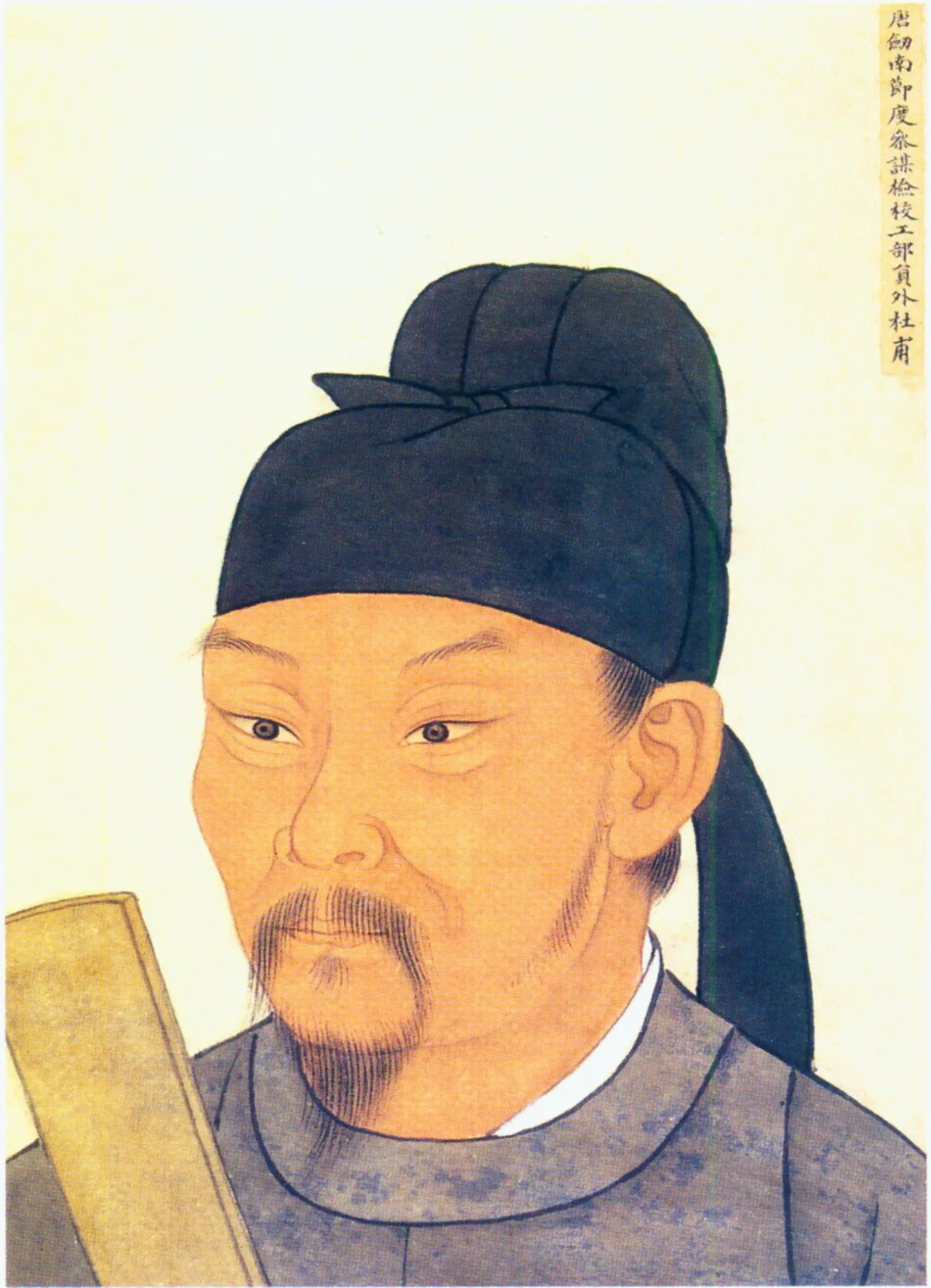
By contrast, Du Fu — his friend and sometimes travel companion — was more grounded, a Confucian realist deeply concerned with human suffering and political instability. Where Li Bai soared into metaphor, Du Fu chronicled war, hunger, and social decay with precise emotional weight. Together, their works captured both the spirit and the turbulence of Tang society — one from the clouds, one from the soil.
Other major Tang poets include Wang Wei, a master of landscape and Buddhist-inspired serenity, and Bai Juyi, who wrote in a more accessible style, often focused on social justice and empathy for the common people.
As the Song dynasty ushered in a new era of economic prosperity and technological advancement, poetry too transformed — especially through the rise of ci word poetry. This form, originally lyrics set to music, became a sophisticated and emotive literary vehicle. Among its masters was Su Shi, also known as Su Dongpo. Su Shi wasn‘t just a poet; he was a statesman, calligrapher, painter, and philosopher. His poetry fused personal joy and sorrow with philosophical detachment, blending nature, politics, and daily life into seamless lyricism.
Also essential to the Song poetic landscape was Li Qingzhao, the most renowned female poet of ancient China. Her ci poems brim with delicate yet intense emotion — love, nostalgia, the quiet devastations of war and exile. Her voice, tender and penetrating, is a rare and beautiful thread in a male-dominated literary tradition.
What makes Tang and Song poetry so enduring is not just its beauty or historical value — it’s how deeply personal and yet universally resonant these poems still feel. Whether you‘re sitting in a high-speed train across China or reading on a screen far away, their voices continue to speak: of fleeting joy, seasons changing, homesickness, aging, and the stars overhead.
Many students today begin to memorize Tang poems early in their language studies, both because the language is vivid and condensed, and because each line carries enormous cultural weight. Some poems are even included in primary school textbooks in China — showing how deeply woven they are into everyday consciousness.
At GoEast Mandarin, a Chinese language school with online and in-person classes, teachers often use poetry to help learners of all levels connect not only with vocabulary but also with the deeper rhythms and emotions of the language. It‘s not about reciting for the sake of it — it’s about feeling the culture through the words.
So, when you first read Li Bai or Su Shi, don‘t worry if you don’t catch every nuance right away. Just read slowly, maybe even aloud. Let the tone and rhythm sink in. Even in translation, the elegance and force of these lines can strike you.
Poetry, after all, is more than words. It‘s memory, philosophy, and a kind of mirror. And in the Tang and Song dynasties, that mirror reflects not only the world of emperors and scholars — but a shared, human longing that still speaks to us today.
Also Read-Becoming Stronger Through Life’s Challenges

