


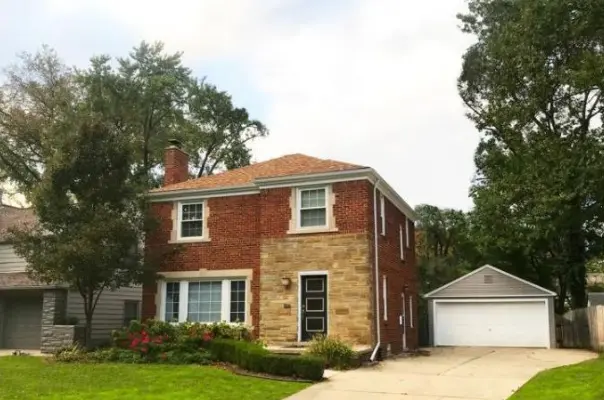
Trees bring beauty, shade, and value to every home. They provide fresh air, protect the soil, and create a sense of peace in your yard. However, even the strongest trees eventually weaken or become hazardous, and knowing when it is time to remove one is crucial for maintaining your property’s safety.
A dying or unstable tree can cause serious problems. Falling branches may damage roofs or vehicles, roots can lift sidewalks or foundations, and entire trunks can topple during storms. Recognizing early warning signs helps prevent accidents and costly repairs.
If you are unsure about a tree’s condition, professional tree trimming in West Bloomfield, MI can help. Experts know how to assess tree health, spot potential dangers, and determine whether removal or treatment is the right choice. Acting early keeps your landscape healthy and secure for years to come.
Visible Signs of a Dying or Dangerous Tree
One of the clearest signs that a tree might need to be cut down is a cracked or split trunk. Deep openings weaken the structure and invite pests or moisture to enter. These cracks often spread over time, especially after wind or rain. If you notice severe trunk damage, contact a tree service for a safety inspection.
Falling or dead branches are another warning sign. When limbs drop without reason, it usually means the tree is struggling. These branches can cause serious property damage, so it is best to have the tree evaluated before the situation worsens.
Discolored or thinning leaves also suggest poor health. If a tree loses its leaves out of season or shows brown, brittle foliage, it could be dealing with disease or failing roots. In many cases, the problem begins below ground, where it is not visible.
Root and Trunk Concerns You Shouldn’t Ignore
Roots play a vital role in stability. When they are cracked, lifted, or exposed above the soil, the entire tree becomes unstable. Construction, erosion, or poor drainage can worsen this issue. Once the roots are damaged, the risk of falling increases dramatically.
Hollow trunks are another serious problem. Even if a tree appears solid, decay on the inside can weaken it from within. If tapping the trunk sounds hollow, it is time to bring in a tree service for a closer look. Professionals can determine whether the tree can be saved or if removal is necessary.
Leaning Trees and Structural Imbalance
A tree that suddenly leans should never be ignored. This often indicates shifting roots or weakened soil support. Even a small lean can turn into a dangerous situation during a storm.
Uneven canopy growth is another sign of imbalance. When branches grow heavily on one side, the weight can pull the trunk and stress the roots. Trimming by a certified professional helps restore stability and reduce hazards.
Signs of Disease or Pest Infestation
Fungal growth at the base of a tree is a common indicator of internal decay. Mushrooms or soft bark near the roots often mean the wood is decomposing. Once rot sets in, the structure weakens, and removal may be the safest course of action.
Pests such as borers or beetles also harm trees. They leave behind small holes or piles of sawdust at the base. Early detection and treatment can sometimes save a tree, but in advanced cases, professional removal is necessary to prevent the spread of insects to nearby trees.
Environmental and Safety Considerations
Trees growing too close to buildings or power lines can become serious hazards. Branches scraping against roofs or brushing against wires may cause fires, property damage, or power outages. It is best to call a licensed tree service to trim or remove trees near structures safely.
Storm damage is another issue. High winds, lightning, and heavy rain can break branches or loosen roots. After severe weather, check your yard for leaning trunks or hanging limbs and have them inspected before the next storm.
When Removal Becomes the Best Option
Removing a tree is not always easy, but sometimes it is the right choice. A severely diseased, decaying, or unstable tree poses ongoing safety concerns. Taking it down can protect your home and allow room for new growth.
A qualified arborist can help determine whether pruning, treatment, or full removal is necessary. Their expertise ensures you make a decision that balances safety with the long-term health of your landscape.
Conclusion
Learning how to recognize when a tree should be cut down helps you maintain a safer, more beautiful property. By identifying early signs and collaborating with professionals, you can prevent emergencies and maintain the overall health of your yard.
If you suspect that a tree on your property is unhealthy or unstable, don’t wait to take action. Schedule a professional inspection from a trusted tree service to get honest advice and reliable care.
For expert evaluations and safe, efficient removal, contact West Bloomfield Tree Service & Removal. Their experienced team provides dependable service, skilled maintenance, and comprehensive solutions to keep your property healthy and secure throughout the year.
Also Read-Health Technology in Simple Words: How It Helps People Every Day

