


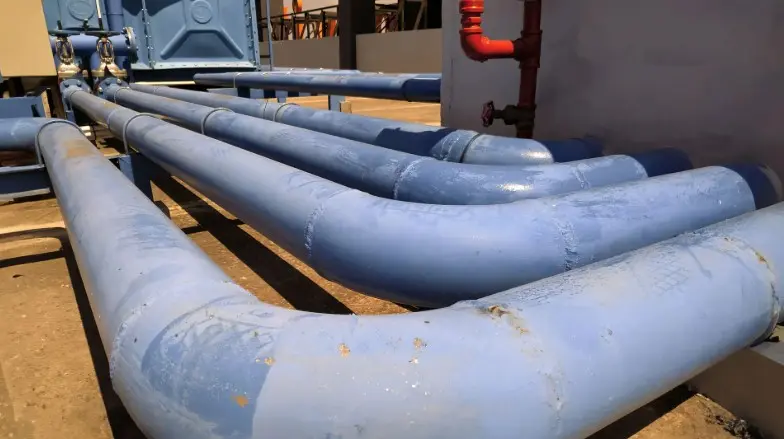
When it comes to maintaining the integrity of plumbing systems, property owners are presented with a choice that resonates through the decades of their asset’s lifespan. The economics of pipe maintenance is not solely about the immediacy of repair costs but extends to consider the durability, efficacy, and long-term financial implications of the chosen method. Among the available options, pipe relining has emerged as an innovative solution that promises a blend of longevity and cost-effectiveness often unmatched by traditional pipe repair techniques.
Initial Investment in Pipe Relining
The cost of pipe relining is, without doubt, an influential factor for property owners when assessing repair options. While it may appear higher at face value when compared to conventional pipe replacement, the nuances of its economic benefit reveal a different narrative when looking at the entire lifespan of the relined pipe. Pipe relining uses advanced technologies and materials to create a ‘pipe within a pipe’ scenario, enhancing the existing structure without the need to excavate and replace large sections of plumbing.
Minimising Disruption and Associated Costs
Pipe relining’s distinct advantage lies in its ‘trenchless’ technology, which allows repairs to be conducted with minimal to no excavation. This non-invasive approach to pipe repair sidesteps the substantial costs typically associated with digging, reinstating landscapes, and the potential restoration of infrastructure impacted by excavation works. Reduced labour and machinery costs, along with a significantly shorter timeline for repair, contribute to substantial savings.
Longevity and Durability
A crucial aspect often overlooked in pipe repair economics is the lifespan of the solution. It’s here that pipe relining truly demonstrates its value. The materials used in relining are designed to be resilient, often exceeding the lifespan of traditional piping materials. This durability translates to fewer repairs and replacements over the years, postponing future capital expenditure and contributing to the overall savings. In addition, applying advanced pipeline coating can further enhance protection against corrosion and extend the service life of underground systems.
Avoiding Collateral Damage and Liability
Consider the implications of pipe failure – water damage, soil contamination, and disruption of service are just the tip of the iceberg. The damage and liability costs from Burst pipes can reach staggering heights, an important consideration for ageing pipe systems if a reliable solution like relining is not chosen. Protective measures, such as relining, act as insurance against such eventualities.
Increased Property Value
The stability and assurance provided by a relined pipe system can also contribute to the property’s overall value. Prospective buyers or tenants may find reassurance in knowing that the property’s plumbing is safeguarded against common failures, potentially driving up the property’s worth or its attractiveness on the market.
Environmental Considerations
The environmental cost, while not directly quantifiable in currency, is an integral part of the long-term economics of pipe maintenance. Traditional replacement not only disrupts the soil and local ecosystems due to excavation but also results in the disposal of the old piping. Conversely, pipe relining is far less intrusive and can be deemed an environmentally conscious choice, thereby aligning with the rising demand for sustainable building practices.
Ease of Maintenance and Reduced Running Costs
Relined pipes typically offer a smoother internal surface, which can improve flow and reduce the likelihood of blockages. This reduction in obstruction risks lowers the frequency of maintenance calls, and optimises the pipeline’s performance, aiding in the conservation of water and energy, thus reducing the running costs associated with the plumbing system.
System Downtime and Loss of Utility
In commercial settings, downtime translates directly into lost revenue. Pipe relining’s quick turnaround ensures that systems can be operational in a fraction of the time required for traditional repairs, meaning businesses can resume normal operations with minimal interruption.
The short-term cost considerations might nudge property owners towards traditional pipe repair solutions; however, a detailed comprehension of pipe relining’s benefits reveals a different financial trajectory. By factoring in not just the immediate expenditures but the holistic view of anticipated maintenance and repair costs over time, the true economic advantage of pipe relining comes to light.
The Future of Plumbing Economics
As the plumbing industry evolves and newer technologies like pipe relining gain traction, the economic landscape surrounding pipe maintenance is destined to shift. Stakeholders, including property owners, facility managers, and city planners, are increasingly recognising the multifaceted fiscal benefits embedded in the long-term perspective on pipe system restoration via relining.
Conclusion
Comprehending the long-term savings of pipe relining requires a panoramic view that goes beyond the upfront costs. It is a methodology that pays for itself over the years through reduced collateral damage, decreased maintenance needs, and longevity. The cost of pipe relining may appear to be a substantial outlay initially, but its judicious use in managing pipe infrastructure signals a prudent and economically sound choice for a future-proofed plumbing system.
For property owners and managers grappling with pipe maintenance decisions, assessing the economics of pipe relining becomes an exercise in balancing short-term outlays with long-term financial foresight. The conclusion is clear: the savings yielded by pipe relining are not merely speculative but are firmly grounded in technological, practical, and environmental realities.
Also Read-Budgeting for Home Maintenance

