


Understanding Dental Bonding
A cosmetic technique called dental bonding is used to improve the appearance of teeth that are discolored, chipped, or broken. It entails applying a tooth-colored resin substance meticulously molded and adhered to the tooth’s surface. This technique is renowned for its simplicity and effectiveness, delivering immediate results without extensive or invasive treatments. For those interested in learning more about the benefits of dental bonding, it’s essential to understand how this versatile option can address an array of dental concerns and bring out the best in one’s smile. It’s popular for patients seeking a quick and affordable smile makeover. Dental bonding is convenient for cosmetic dental needs since it may be finished in a single visit.
How Dental Bonding Works
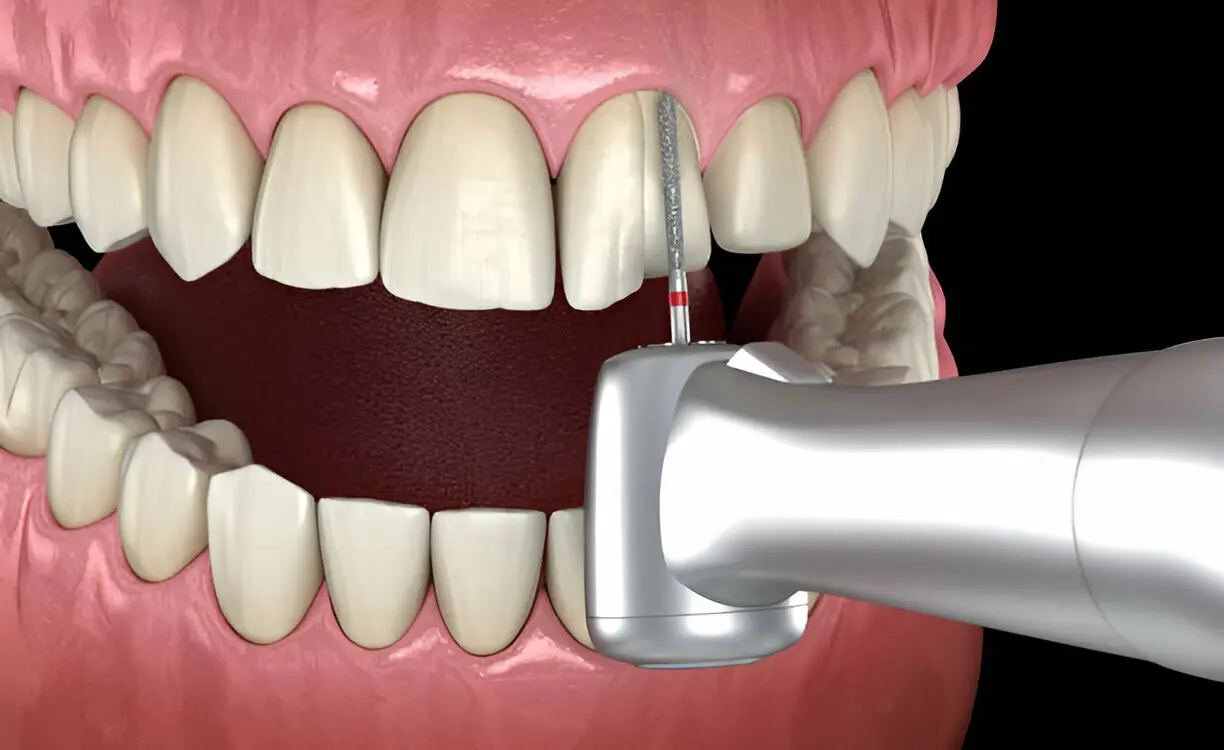
The process of dental bonding is straightforward yet meticulous. .To guarantee the best resin adherence, the dentist first prepares the tooth surface by cleaning and slightly roughening it. Once the tooth is prepared, a conditioning liquid is applied. The dentist then selects a shade of resin that closely matches the natural tooth color and applies it to the prepared surface. The resin is molded and carved using precise tools to get the right size and shape. A special light hardens the resin, and the final result is polished to blend seamlessly with the surrounding teeth.
Benefits of Dental Bonding
Dental bonding offers numerous advantages, making it a preferred choice for many seeking cosmetic dental enhancements. One of its biggest advantages is the price, compared to other cosmetic procedures like veneers or crowns. Additionally, bonding requires minimal tooth preparation, preserving a more natural structure. Since the operation is usually finished in a single visit, patients can benefit from nearly immediate improvements in the appearance of their teeth.
Who Are the Ideal Candidates for Dental Bonding?
Dental bonding suits individuals with minor cosmetic concerns such as chipped or slightly misaligned teeth. It is also a great way to change the contour of your teeth or fill in little spaces between them. For patients interested in cosmetic dental repair, bonding can serve as an effective yet understated enhancement that significantly boosts confidence and smile aesthetics.
Caring for Bonded Teeth
The longevity of dental bonding largely depends on how well one cares for their teeth post-procedure. Patients are advised to refrain from behaviors that can harm the bonded teeth, such as biting their nails or chewing on hard items, and to maintain proper oral hygiene habits, which include routine brushing and flossing. Reducing staining substances such as coffee, tea, or tobacco is recommended to maintain the smile’s brightness because bonding material can get discolored with time. For long-lasting benefits and to monitor the state of the bonded areas, routine dental examinations are essential.
Alternatives to Dental Bonding
Although dental bonding is a great option for many people, veneers and crowns may be better depending on the degree of repair required and individual preferences. Veneers provide a more resilient and stain-resistant alternative for people willing to have their teeth prepared. At the same time, crowns provide a comprehensive restoration for teeth that are significantly damaged or decayed. Every operation has different benefits and expenses, therefore people must speak with their dentist to find the one that best suits their requirements.
Conclusion
Dental bonding is a prominent choice for those looking to enhance their smile efficiently and affordably. It addresses various minor cosmetic issues with a minimally invasive approach and offers immediate results. As with any dental procedure, achieving the best outcome requires a combination of expert dental execution and diligent follow-up care. By weighing the benefits and alternatives and considering personal dental health and goals, individuals can make informed decisions that lead to a renewed smile and increased confidence in everyday interactions.
Also Read-What Technologies Are Transforming Clinical Research Organizations?

