


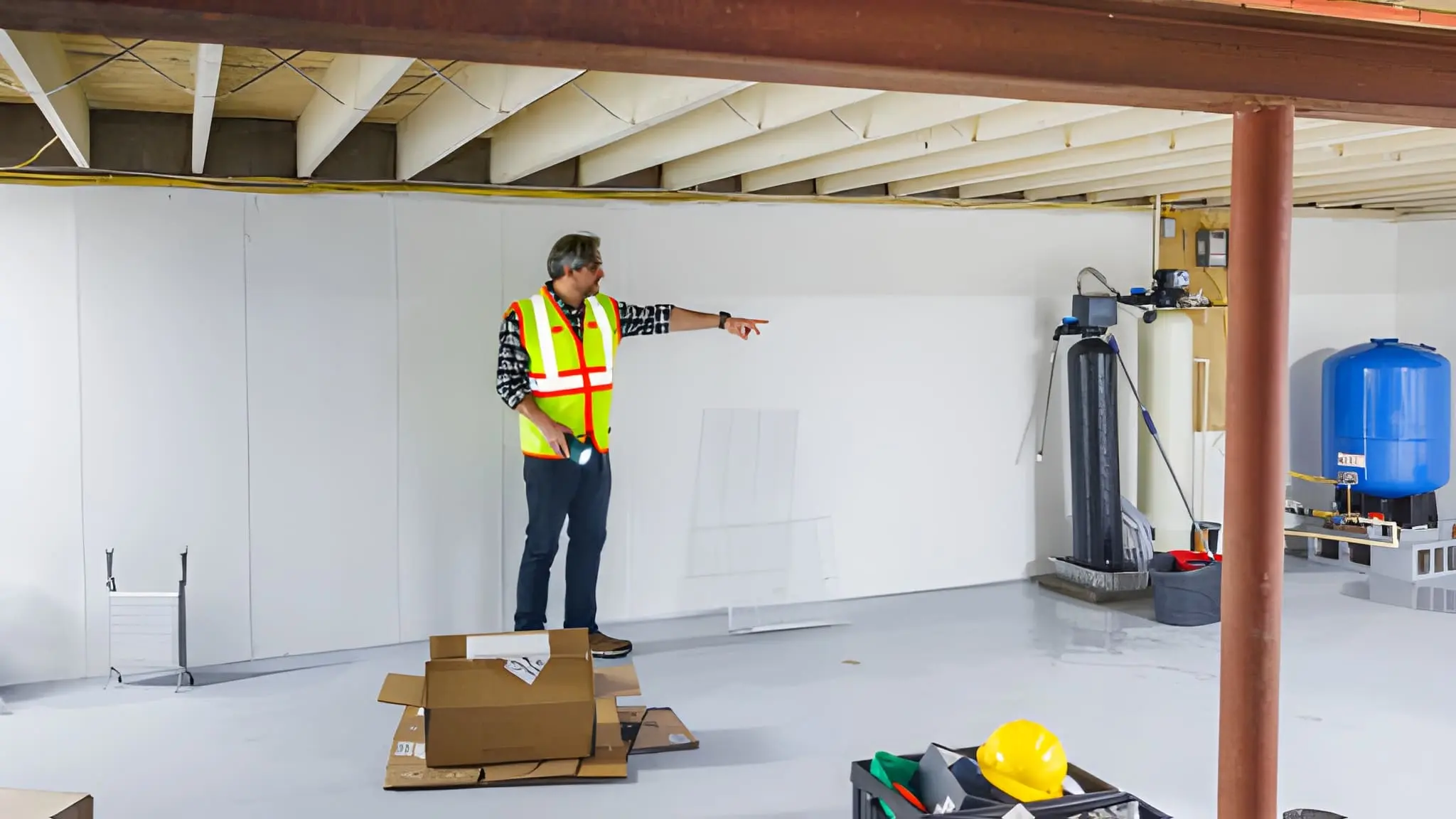
Your basement plays a major role in protecting your home’s structure, but it’s also one of the areas most prone to moisture problems. Leaks, damp walls, and musty odors can all signal bigger issues developing behind the scenes.
Moisture can enter through cracks, weak drainage, or rising groundwater. Over time, this leads to mold, structural weakening, and expensive repairs. Many homeowners turn to basement waterproofing in Fairfax to prevent these issues and keep their basements dry, usable, and safe.
Understanding what type of basement waterproofing works best is the first step toward long-term protection. With several methods available, learning the strengths of each one makes it easier to choose a solution tailored to your home’s needs.
Understanding Basement Waterproofing
Basement waterproofing prevents water from entering through walls, floors, and foundation seams. It protects your home’s structural integrity by reducing water pressure around the foundation and blocking moisture that causes cracking or settling.
Leaks commonly occur due to poor drainage, clogged gutters, or soil that retains too much water against your home. When water has nowhere else to go, it pushes through weaknesses in the foundation. A strong waterproofing system addresses this at the source.
Interior Basement Waterproofing
Interior methods help manage water that already makes its way inside. They are effective, affordable, and less disruptive than exterior work.
One of the most common methods is installing an interior drainage system, often paired with a sump pump. The drainage system collects water around the basement perimeter and guides it into a sump pit. When water levels rise, the sump pump automatically pushes water away from your home.
Interior sealants and waterproof coatings can also reduce small leaks or dampness. While these coatings aren’t a complete solution on their own, they work well in conjunction with drainage systems.
Exterior Basement Waterproofing
Exterior waterproofing is more labor-intensive but offers the strongest protection. It stops water before it reaches your basement walls, making it ideal for homes with severe or persistent leaks.
This process typically involves excavating the soil around the foundation. Once exposed, workers apply waterproof membranes or coatings to create a durable barrier. Exterior drain tiles may also be installed to redirect water away from the foundation before it accumulates near the foundation.
Fixing improper grading is another important step. If the ground slopes toward your home instead of away from it, water will naturally pool near the foundation. Proper grading sends it in the right direction.
Comparing Interior and Exterior Methods
Interior waterproofing is less expensive and easier to install, making it a good choice for minor or moderate water issues. It focuses on controlling water once it enters the home.
Exterior waterproofing is the best long-term solution for heavy water intrusion. It’s more thorough because it prevents water from reaching the foundation at all.
Many homeowners choose a combination of both methods for maximum protection, especially if their basement has a history of flooding.
Other Helpful Waterproofing Improvements
Good waterproofing goes beyond the basement. Keeping water away from your home starts with proper drainage. Clear gutters, extended downspouts, and well-sloped landscaping all reduce water buildup around your foundation.
Crawl space encapsulation is another smart upgrade. Sealing crawl spaces keeps moisture from rising through the floor and helps maintain healthy humidity levels inside the home.
Repairing foundation cracks with epoxy or polyurethane injections is also important. These materials seal the cracks and strengthen the surrounding structure.
Choosing the Best Method for Your Home
The ideal waterproofing method depends on several factors. Your foundation type influences which products or systems will work best. Concrete foundations often need sealing, while block or stone foundations benefit more from drainage systems.
Soil conditions also matter. Clay soil traps water and increases pressure against the foundation. Sandy soil drains faster but may require grading or improved downspout placement.
Home age plays a role too. Older homes may need structural repairs before waterproofing can begin, especially if cracks or settling have already occurred.
Professional vs. DIY Waterproofing
DIY fixes like waterproof paint may help temporarily, but they rarely solve the underlying problem. Professional basement waterproofing teams use specialized tools to identify the true cause of moisture issues and install long-lasting solutions.
Professionals also offer warranties, high-quality materials, and workmanship designed to stand the test of time. DIY methods often fall short when water pressure increases or when leaks worsen.
Maintaining a Dry Basement
Once your waterproofing system is installed, routine maintenance helps it work efficiently. Inspect your basement every season for signs of new cracks or dampness. Test your sump pump regularly by adding water to the pit. Keep gutters and downspouts clear so water flows away from your home.
Using a dehumidifier can also help maintain low humidity levels and prevent mold growth.
Conclusion
The best basement waterproofing method depends on your home’s design, soil conditions, and the severity of your water issues. Interior systems manage moisture effectively, exterior solutions offer long-term protection, and many homeowners benefit from combining both.
For expert guidance and reliable results, contact Fairfax Basement Waterproofing. Their experienced team offers customized basement waterproofing solutions that keep basements dry, foundations protected, and homes safe year-round.
Also Read-Technology That Actually Helps Healthcare Work Better

