


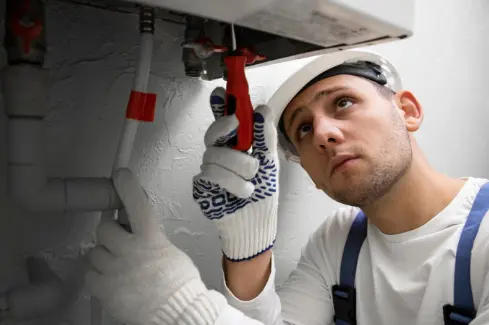
Any home needs a dependable hot water system for both comfort and functionality. Hot water is ingrained in our daily routines, from heating and laundry to daily showers and dishwashing. Water heaters aren’t made to last forever, though, just like any other item. They eventually start to exhibit wear and inefficiency. Unfortunately, a lot of homes choose to ignore or disregard these warning signs until the system fails, which is frequently at the most inconvenient time. You may avoid water damage, save money on emergency repairs, and guarantee a steady supply of hot water by spotting early warning indicators. This article examines the most typical signs that your hot water system might be nearing the end of its useful life and offers advice on when replacing it is the most prudent and economical course of action.
Age Is More Important Than You May Believe
The age of your hot water system is one of the most important variables in assessing whether it needs to be replaced. Tankless water heaters can last up to 20 years with regular maintenance; however, most conventional tank water heaters only last 8 to 12 years. It’s time to begin critically assessing your unit’s performance if it is getting close to or has already exceeded these standards. Older systems are less energy-efficient and more likely to break suddenly, even if they seem to be operating normally. You can find the installation date by looking at the manufacturer’s label or serial number.
Variable Water Temperatures and Unreliable Pressure
A reliable supply of hot water at a constant temperature is a sign of a functioning hot water system. Your system may be having trouble if you have to keep turning the tap to get the desired temperature or if hot water suddenly turns cold in the middle of a shower. This discrepancy frequently indicates corrosion within the tank, mineral accumulation, or malfunctioning heating components. Similarly, varying water pressure, particularly when hot water is being used, could indicate blockages in the pipes or silt buildup in the tank.
Strange Sounds: An Indication of Internal Issues
When operating properly, water heaters are usually quiet. It’s time to listen if you start hearing banging, rumbling, or popping noises. Hardened sediment deposits at the tank’s bottom are typically the source of these sounds. Unsettling noises are produced as the heating element burns through this layer, producing pockets of steam. In addition to being inconvenient, this silt accumulation makes the system work harder, which lowers efficiency and raises your energy costs. It may also result in leaks and cracks over time, so finding experts in hot water systems in your area might be a great way to go. Frequent or continuous noise usually indicates that the system has deteriorated sufficiently to require replacement, though flushing the tank may be helpful in certain situations.
The Explicit Warning Signs of Leaks and Rust
Immediate warning indications include visible water surrounding your heater or rust on the tank. Leaks usually get worse over time; however, they may begin small and go undiscovered until water damage is obvious. Rust and corrosion are signs that the internal tank liner has degraded and is irreparable. A leaking tank typically requires a complete replacement, while leaks from pipelines or valves may be repairable. Additionally, corroded interior parts may be the cause of your water’s reddish-brown tint or metallic flavor.
Growing Energy Costs and Scarcity of Hot Water
Have your energy bills suddenly increased without any discernible increases in usage? The cause could be your old water heater. Systems require more energy to carry out the same functions as they deteriorate. Longer heating times could result from tanks losing heat more quickly and heating devices losing their effectiveness. Additionally, you may discover that your home’s hot water supply runs out more quickly than it used to, which is a clear indication that the heater’s capacity or effectiveness has decreased.
It’s not only about convenience when you recognize the warning signs of a failing hot water system; it’s also about safeguarding your house, controlling energy use, and preventing costly emergency repairs. Improved efficiency, dependable hot water, and peace of mind are long-term advantages that make the initial expense of a new system worthwhile. To maintain your house functioning properly, pay attention to these indicators, seek advice from experts when necessary, and act quickly.
Also Read- Time to Revamp Your Home’s Heating Setup?

