


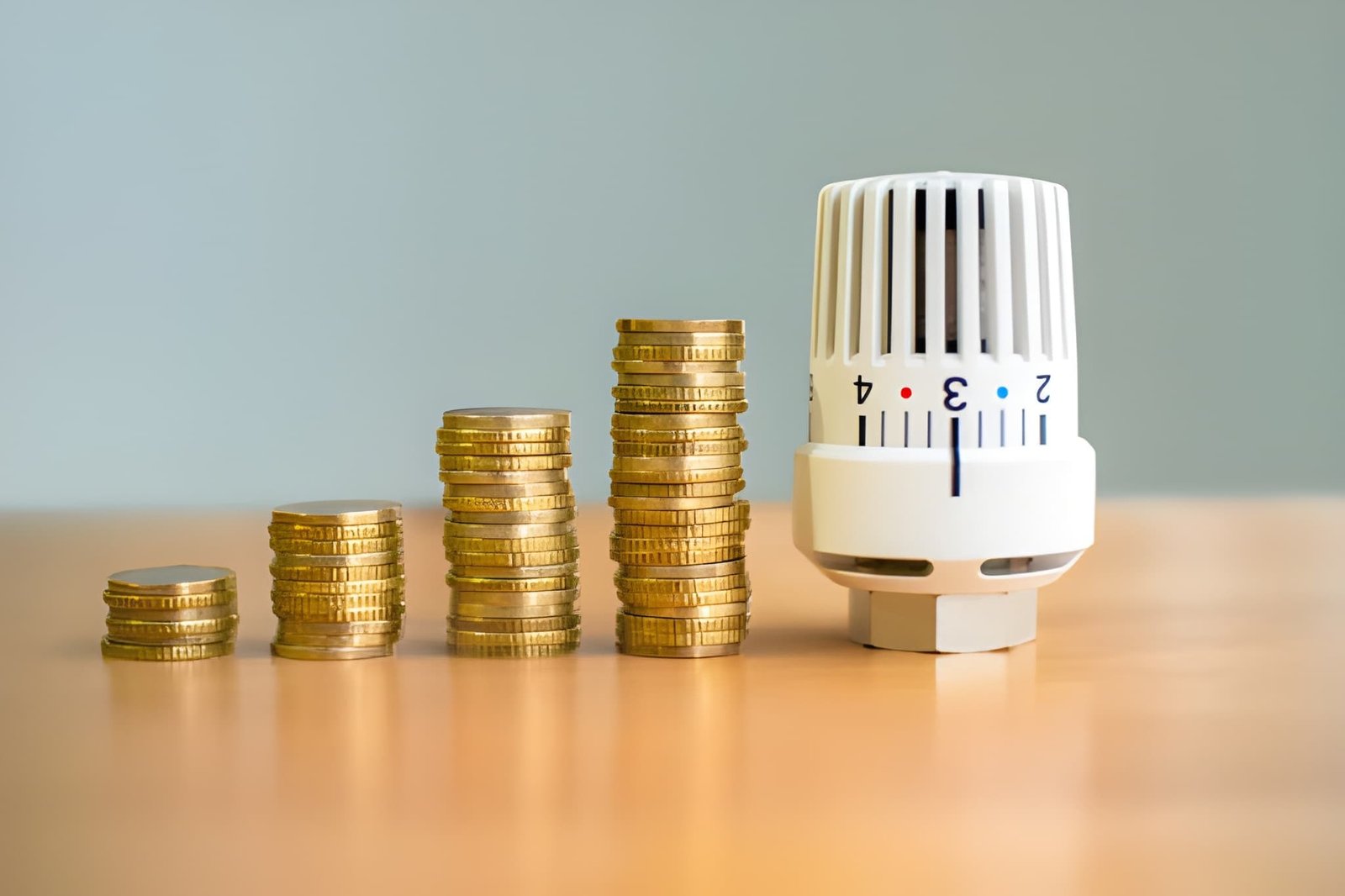
As the colder months arrive and temperatures begin to drop, many homeowners prepare for a corresponding increase in energy bills. Heating costs can become a significant portion of your household expenses, especially during prolonged cold spells. As a result, people often look for ways to save money without having to bundle up indoors or sacrifice the comfort they’ve come to enjoy. The good news is that striking a balance between warmth and cost-efficiency is definitely possible. By making thoughtful, practical changes to your home and habits, you can lower your heating bills while maintaining a cozy living environment. If you ever face a sudden heating breakdown, reliable emergency heating repair services can help restore warmth quickly and prevent further discomfort. Still, it’s always better—and more cost-effective—to be proactive about reducing heat loss and improving your home’s efficiency before problems arise.
Optimizing your home heating system can enhance comfort and lower your energy costs. Minor daily adjustments and smart upgrades can significantly cut energy use over time. Regardless of your home’s age or system, there’s always room for improvement. With a few energy-saving habits, you can enjoy lower bills and a more comfortable home year-round.
Optimize Thermostat Settings
One of the most straightforward and impactful ways to reduce heating costs is to manage your thermostat settings intentionally. Rather than leaving your heat running at the same temperature day and night, adjust your thermostat to fit your schedule and comfort needs. Experts from the U.S. Department of Energy recommend setting your thermostat to about 68°F (20°C) while you are home and awake. When you are asleep or out of the house, lowering the thermostat by 7-10 degrees for eight hours a day can lead to noticeable savings—up to 10% annually on heating costs. Over the course of a season, these minor adjustments can have a significant impact. If you feel chilly, try adding an extra layer rather than adjusting the thermostat; you may be surprised at how comfortable you can stay while still saving money.
Seal Drafts and Improve Insulation
Heat loss through gaps in your home’s envelope is a significant source of wasted energy, particularly during winter. Even tiny drafts around windows, doors, and electrical outlets can allow warm air to escape and let cold air seep in, making your heating system work overtime. To combat this, carefully inspect your home for potential leaks and seal them with weatherstripping, caulk, or expandable foam. Don’t overlook less obvious places, such as attic hatches and basement rim joists, which are often overlooked but can be frequent culprits. In addition, improving insulation is a highly effective way to trap heat where you want it—inside your walls, ceilings, and floors. Upgrading insulation in attics, basements, and exterior walls can make your home noticeably more energy-efficient, minimizing unwanted temperature fluctuations and reducing the strain on your heating system. For a step-by-step guide on sealing and improving insulation, consult this helpful resource from Consumer Reports. These upgrades require effort upfront but can provide lasting comfort and substantial savings over time.
Utilize Natural Sunlight
Natural sunlight is an often-overlooked source of free home heating. Even in the dead of winter, the sun’s rays can warm your living spaces if you make the most of them. During daylight hours, open curtains or blinds on south- and west-facing windows to let the sunlight flood in and raise the temperature indoors. Not only does this passive solar heating strategy add warmth, but it also brightens gloomy winter days. As the sun sets and temperatures outside drop, close those window coverings to trap the day’s heat and help minimize heat loss through the glass. Blackout curtains or thermal drapes provide an additional layer of insulation, enhancing your home’s ability to stay warm without relying solely on your heating system. By coordinating your daily habits with the sun’s schedule, you can naturally achieve greater comfort and lower energy costs.
Upgrade to Energy-Efficient Appliances
If your furnace, boiler, or other major appliances are approaching the end of their lifespan, upgrading to ENERGY STAR-certified models can significantly improve efficiency and reduce your energy costs. Modern heating equipment is designed to convert more fuel or electricity into usable heat, reducing waste and lowering your monthly utility bills. While new appliances often come with a higher upfront cost, their improved performance and energy savings often make them a worthwhile investment over time. Besides reducing operating expenses, these upgrades help you shrink your environmental footprint by lowering greenhouse gas emissions. Look for rebates or incentive programs in your area to help offset the cost of transitioning to newer, more efficient equipment. The reliability of new systems also means fewer unexpected repairs during the winter months, offering both peace of mind and financial benefit.
Maintain Your Heating System
Routine maintenance is crucial for maximizing the efficiency of your heating equipment. Systems that are well-maintained run more efficiently, last longer, and break down less often—all factors that contribute to lower heating costs. Schedule a professional inspection and tune-up at least once a year to catch potential problems early and ensure your system operates safely and efficiently. During heavy use, replace or clean air filters every month or as recommended by the manufacturer to improve airflow and system responsiveness. Dust and debris in ductwork, blocked vents, or malfunctioning thermostats can all force your system to work harder than necessary, driving up your energy bills. Keeping your heating system in good condition is a low-stress way to safeguard comfort and cost savings throughout the season.
Use Ceiling Fans Strategically
Many people are surprised to learn that ceiling fans—typically associated with cooling—can also assist with heating. In winter, setting your ceiling fan to spin clockwise on a low speed will push the warm air that rises to the ceiling back down into the room. This simple adjustment helps maintain more even indoor temperatures, allowing you to enjoy a comfortable environment without continuously running your furnace. As a result, you can keep your thermostat set lower without sacrificing comfort. Ceiling fans are a low-cost solution that enhances the effectiveness of other heating strategies in your home and can make a real difference in your energy use.
Implement Zoning Systems
Zoning systems are an advanced way to direct heat exactly where you need it most. By dividing your home into separate areas, each with its own thermostat and heating controls, zoning prevents the waste of heating empty rooms or spaces that don’t require as much warmth. Implementation can range from as simple as closing doors and vents in unused rooms to as involved as installing dampers or ductless mini-split systems for customized temperature control. This approach is particularly beneficial for households with varying occupancy patterns, such as families with children away at college or homes with guest rooms that are rarely used. Tailoring heat delivery to different areas allows you to balance comfort and efficiency in a way that suits your lifestyle best.
Consider Programmable or Smart Thermostats
Investing in a programmable or smart thermostat can transform the way you manage your home’s heat. These devices enable you to schedule automatic temperature adjustments to match your daily routine, minimizing energy waste when you’re away or asleep. Modern smart thermostats take it a step further, learning your preferences, detecting when no one is home, and adjusting settings remotely through smartphone apps. Many models offer detailed energy usage reports and reminders for filter changes or maintenance, enabling you to make informed decisions about your energy consumption. By upgrading your thermostat, you gain convenience, control, and potential savings throughout every heating season.
By integrating these cost-saving strategies—from adjusting the thermostat daily to investing in cutting-edge technology—you can keep your home consistently warm while ensuring your energy bills remain manageable. Whether you’re weatherproofing an older house or fine-tuning a modern one, each step makes a difference in long-term savings, reducing your environmental impact, and providing peace of mind during even the coldest periods. Staying proactive with maintenance, adopting smarter habits, and considering efficient home upgrades will ensure your household remains comfortable and your budget intact all winter long.
Also Read-
- Term Life Policy Explained: Affordable Protection for Families
- Technology That Actually Helps Healthcare Work Better
- How Technology Is Shaping Modern Recruitment Processes

