


You might be feeling caught in the middle right now. Pressure from investors for better results, questions from your board about controls and risk, and a nagging worry in the back of your mind about what you do not know yet. Maybe a minor control failure just surfaced, or an audit comment stung more than you expected. On paper your governance structure looks fine, yet something still feels fragile. A trusted Cincinnati CPA firm can help you identify and address those hidden vulnerabilities before they become bigger problems.
You are not alone. Many leaders sense that corporate governance is no longer just a box-ticking exercise. It is about trust, transparency, and survival. The summary is simple. When a Certified Public Accountant is deeply involved in governance, you get clearer numbers, stronger controls, and fewer nasty surprises. When they are absent or sidelined, cracks tend to stay hidden until they become crises.
So where does that leave you as you think about why CPAs are critical to good governance and what to do next.
Why does governance feel so hard right now?
Corporate life today moves fast. New regulations appear, technology changes how data flows, and expectations from regulators, lenders, and employees keep rising. In that environment, governance can feel like trying to build a solid house on moving sand.
The problem is not only technical. It is emotional and reputational. You might worry about:
- A control failure that leads to misstated results and a loss of credibility.
- A fraud that hides in plain sight because no one is really challenging the numbers.
- A board that signs off on reports it does not fully understand, simply because the clock is ticking.
- Talented people burning out from constant firefighting instead of improving processes.
Because of this tension, you might start to ask a hard question. Who is actually watching the financial heartbeat of the company, not just processing it.
So where does a CPA fit into corporate governance?
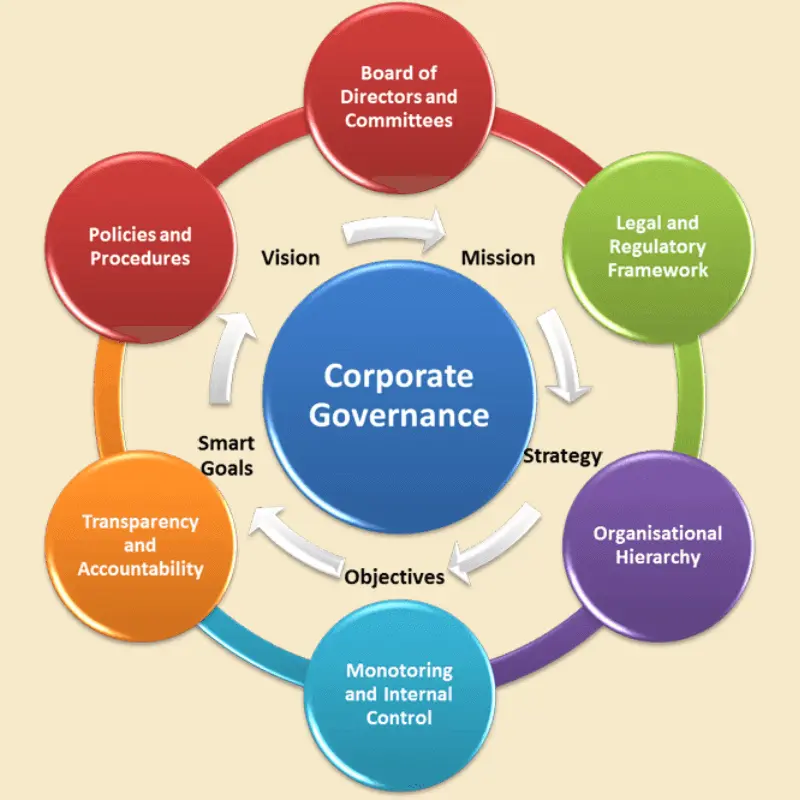
Think of corporate governance as the way your organization makes promises and keeps them. To investors. To regulators. To employees and customers. A certified public accountant is trained to test those promises against reality. They are not just number crunchers. They are translators between raw data, financial reporting rules, and real-world decisions.
CPAs are taught to question, to verify, and to document. That makes them natural guardians of financial integrity. Guidance from groups such as the AICPA emphasizes how reporting, audit, and governance fit together. You can see this in resources on corporate governance, reporting, and audit that many boards now rely on.
Without that kind of disciplined, skeptical voice, governance becomes largely about appearances. Reports are produced but not challenged. Controls are written but not tested. Risk registers exist but are not anchored in the numbers.
What happens when CPAs are sidelined in governance?
Consider a simple “what if” scenario. Revenue is growing fast, the market is excited, and internal teams are stretched. To meet deadlines, people start cutting corners in reconciliations. A few manual controls are skipped, then many. No one speaks up because the culture rewards speed over accuracy.
On the surface, nothing seems wrong. The board sees strong revenue. Investors are pleased. Yet a quiet problem is building. Discounts are not recorded correctly, returns are misclassified, and some revenue is recognized too early.
If a CPA with a strong governance mindset is involved early, they ask hard questions. How are we validating this growth. Where could errors or bias be creeping in. They insist on testing controls, reviewing policies, and linking incentive plans to accurate, not just optimistic, results.
If that voice is missing, the issue can grow for years. When it finally surfaces through an audit, a whistleblower, or a regulatory review, the damage is far greater. Restatements, legal exposure, a hit to reputation, and a loss of trust inside the company. The emotional impact on leaders and staff can be heavy. Many describe it as a sense of betrayal and public embarrassment that lingers even after the numbers are fixed.
How do CPAs support boards, management, and investors?
To understand why CPAs matter for sound governance, it helps to see how they serve different parts of the organization.
For the board, CPAs help audit committees interpret financial statements, assess audit quality, and understand where the real financial risks sit. They help directors ask better questions instead of relying on glossy summaries.
For management, they design and test internal controls, support accurate budgeting and forecasting, and act as an early warning system when trends do not match expectations. They help turn raw financial data into insight you can act on.
For investors and regulators, CPAs bring structure and credibility. Their work connects the company’s story to reliable evidence. Historic guidance, such as older AICPA audit materials available through university archives like these technical guides, shows how long this focus on reliability and transparency has been at the heart of their role.
When all of those parts line up, governance stops being a burden. It becomes a way to protect the organization and give people confidence to make bolder, but informed, decisions.
What are the tradeoffs of involving CPAs in governance decisions?
You may still be wondering about the practical side. Time, cost, and change fatigue are real concerns. Involving CPAs more deeply in governance can feel like adding friction. Yet the alternative is living with blind spots.
The comparison below can help you see the tradeoffs more clearly.
| Approach | Short-term experience | Long-term impact on governance |
|---|---|---|
| Minimal CPA involvement | Faster sign-offs, fewer questions, less day-to-day challenge | Higher risk of control failures, weaker audit findings, more surprises for the board |
| CPA focused only on compliance | Deadlines met, basic rules followed, limited disruption | Governance meets the minimum, but risks and opportunities are often spotted late |
| CPA integrated into governance | More questions, need for clearer documentation, culture shift toward transparency | Stronger controls, better decisions, fewer crises, more trust from investors and regulators |
So the real question is not whether to involve a CPA. It is how fully to integrate their perspective into board discussions, risk reviews, and strategic planning.
What can you do right now to strengthen governance with CPA support?
You do not need a complete overhaul to start improving how your organization uses accounting expertise in governance. A few focused actions can begin to change the tone and the outcomes.
- Ask for a candid assessment of your current controls
Invite your CPA or internal finance leader to give you an honest, plain language view of where your control environment is strong and where it is vulnerable. Ask questions such as. Where do we rely too much on manual work. Where could someone override a control without being noticed. What worries you the most about our current reporting process.
Encourage them to speak freely, even if the message is uncomfortable. The goal is not blame. The goal is clarity.
- Involve CPAs directly in board and audit committee conversations
If your board only hears from CPAs through filtered presentations, consider changing that. Invite them to present key findings, walk through complex areas, and answer questions in real time. Encourage directors to ask “why” and “how” until they feel genuine understanding, not just reassurance.
This simple shift can raise the quality of oversight and signal to the entire organization that accuracy and transparency are non-negotiable.
- Connect incentives and culture to accurate reporting
Work with your CPA to review how bonuses, targets, and performance metrics interact with reporting. Are people rewarded only for growth, or also for clean controls and reliable data. Are there safe ways for staff to raise concerns about numbers without fear.
When you connect governance to real behaviors and rewards, CPAs can help design measures that support both performance and integrity. That balance is where governance becomes sustainable.
Moving forward with more confidence
You may still feel some unease. That is normal. Governance is not about removing every risk. It is about understanding those risks clearly and facing them with your eyes open. A strong public accountant presence in your governance structure gives you that clarity. It turns vague worries into specific issues you can address and turns pressure from regulators and investors into a shared standard, not an enemy.
You do not need to solve everything at once. Start by inviting deeper questions, giving CPAs real space at the table, and treating accurate reporting as a shared responsibility rather than a back-office task. Over time, you will feel the difference. Fewer surprises. More grounded decisions. A culture that values truth over appearance.
Governance is not about perfection. It is about steady improvement, guided by people who are trained to see what others miss. That is where CPAs earn their place as quiet but powerful partners in your organization’s future.
Also Read
- Early or Late Bloomer? Your Child’s Baby Teeth Timeline Explained
- Early or Late Bloomer? Your Child’s Baby Teeth Timeline Explained

