


Understanding Oral Infections
Oral infections, if left unchecked, can cause far-reaching consequences beyond an unsightly smile or tooth discomfort. These infections are primarily caused by harmful bacteria thriving in dental plaque, a sticky biofilm on the teeth and gums. Gum disease, dental abscesses, and oral thrush are among the most common types, and they may begin with subtle symptoms but can escalate quickly. If you are seeking expert care in the city, gum disease treatment Manhattan NY,offers specialized options to help tackle and prevent oral diseases at their source.
Beyond local discomfort, untreated oral infections have been associated with more severe systemic issues such as cardiovascular disease and diabetes, according to the Centers for Disease Control and Prevention (CDC). As bacteria multiply, inflammation and infection may enter the bloodstream, potentially affecting organs throughout the body. This highlights the vital role of early intervention and robust prevention efforts—keeping not just your mouth, but your whole body, healthy.
Daily Habits for Prevention
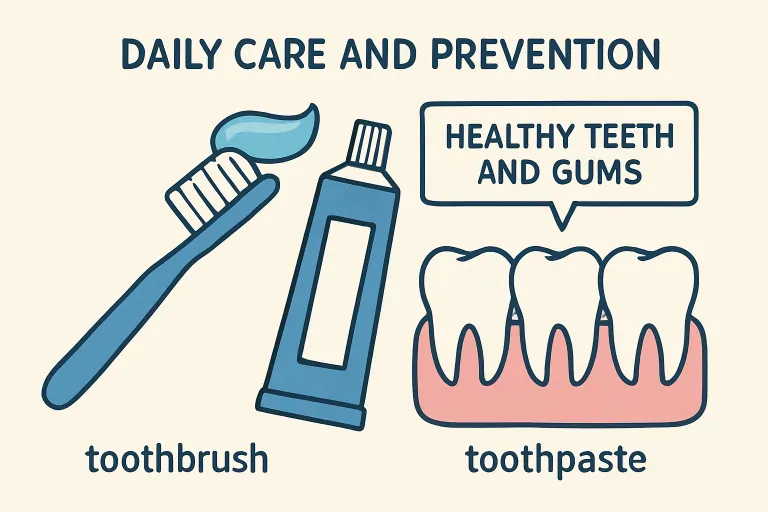
The cornerstone of oral health is a meticulous and consistent hygiene routine. Brushing at least twice a day and flossing every evening helps remove plaque and food debris that can fuel bacterial growth. Dentists recommend using fluoride toothpaste, which helps reinforce tooth enamel and prevent decay and infection. Equally important is gentle brushing of the tongue—a prime location for odor-causing bacteria.
Routine dental checkups every six months are essential. Professional cleanings reach areas you might miss and enable early identification of potential issues, making treatment less invasive and more effective. Many infections begin painlessly, so these visits serve as your first line of defense against escalation. Ignoring routine appointments risks turning simple preventive measures into much more complicated interventions down the road.
Importance of a Healthy Diet
Your nutrition choices are tightly linked to your oral health. Diets high in sugars and processed foods promote the growth of oral bacteria and the development of infections. In contrast, a diet rich in vegetables, whole fruits, lean proteins, and dairy helps strengthen your immune system and teeth. These foods also increase saliva production, a natural defense mechanism that helps neutralize acids and repair enamel.
Lifestyle Choices and Oral Health
The impact of your daily choices extends beyond the food you eat. Smoking, vaping, and chewing tobacco all significantly raise the risk of oral infections by weakening tissues and reducing blood flow. Oral health deteriorates faster in smokers, and even the gums’ ability to heal becomes compromised. Stress is another influential factor, as it can suppress immune function and contribute to teeth grinding—a risk for infections and tooth damage.
Making positive changes, such as quitting tobacco and learning stress management techniques, not only improves your oral health but also enhances your overall wellness. Chewing sugar-free gum between meals, maintaining hydration, and practicing good sleep hygiene all support your body’s natural ability to resist infection.
Special Considerations for Vulnerable Groups
Some individuals face a higher risk of oral infections, including those with diabetes, seniors, children, and individuals with compromised immune systems. These groups require additional preventive strategies, such as more frequent dental visits and customized home care routines. For example, seniors may need assistance with brushing and flossing, while children should be supervised to establish strong, lifelong habits. Diabetics in particular must maintain exceptional oral hygiene, as gum infections can worsen blood sugar control, creating a complex cycle of health challenges.
Caregivers play a pivotal role by encouraging regular routines, helping with oral care tasks, and ensuring early intervention if symptoms arise. Preventive action is especially important within these vulnerable populations to avoid complications that may require intensive treatment or hospital care.
Early Recognition and Response
While prevention should be the main goal, it is equally important to recognize early signs of trouble. Persistent bad breath, swollen or bleeding gums, tooth sensitivity, mouth sores that don’t heal, and visible pus or discoloration are all warning signs that should prompt an immediate dental consultation. Early intervention can help limit the spread of infection, minimize the need for treatment, and improve overall outcomes.
Regular dental care providers are your partners in this journey. Choose a provider who takes the time to educate you, answer questions, and personalize your prevention plan. This approach not only provides better outcomes but also fosters a long-term, proactive attitude toward health.
Summary
Maintaining good oral health is about more than just a dazzling smile—it’s a foundation for a healthy life. Through consistent preventive habits, smart lifestyle choices, attentive eating, and routine check-ups, you can dramatically reduce the risk of oral infections. Prioritize your dental hygiene, and for those living in urban areas, consider consulting with experts, such as those specializing in gum disease treatment, who can provide personalized guidance and care. Empower yourself with knowledge and vigilance to keep your smile bright, your mouth pain-free, and your body resilient.
Read more: How Customization Is Changing the Car Buying Experience – Dimensions Script
Benefits of Clean Drinking Water – Dimensions Script
Why Fraud Prevention Matters More Than Ever – Dimensions Script

