


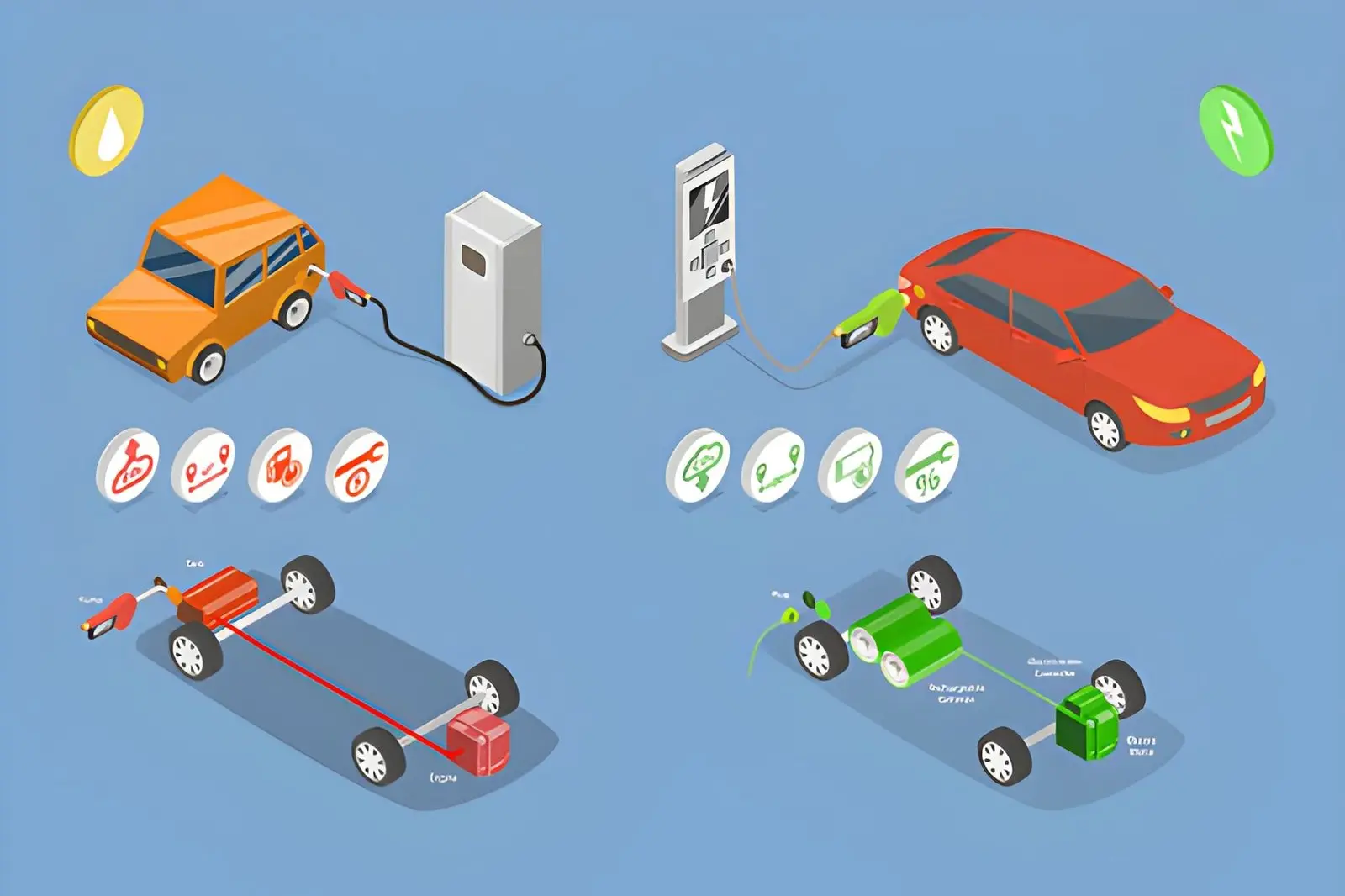
Hybrid vehicles have surged in popularity, offering drivers practical solutions to reduce emissions and save on fuel costs while still enjoying a smooth driving experience. With the latest models offering a blend of gasoline power and electric efficiency, more consumers are exploring what makes hybrid cars an attractive, eco-friendly choice on today’s roads. Learn more about what sets hybrids apart and how they might fit your lifestyle.
Hybrids merge electric and traditional powertrains to deliver greener commutes and improved urban driving. This efficiency, combined with new technologies and buyer incentives, is turning hybrids into mainstream automotive options. Whether you’re motivated by sustainability goals or simply looking to cut your fuel expenses, the versatility of hybrid vehicles offers compelling benefits for a wide range of drivers.
Recent technological advancements have made hybrids more powerful, reliable, and fun to drive. With features like regenerative braking, smart energy management, and long-lasting batteries, today’s hybrids often outperform many expectations. As you navigate your car search, learning to distinguish among hybrid categories and staying up to date on available government incentives can help you make the most informed choice possible.
Practical Benefits of Hybrid Vehicles
Hybrid vehicles are engineered to lower fuel consumption and emissions by combining an internal combustion engine with an electric motor. When driving at lower speeds or idling, the electric motor takes over, reducing fuel use and producing fewer greenhouse gases. As a result, hybrid drivers often experience fewer trips to the gas pump and a lighter carbon footprint. This balance of performance and efficiency is especially attractive to city dwellers and commuters who frequently encounter stop-and-go traffic.
Beyond fuel savings, hybrid cars typically last longer and require less maintenance on certain components. The design reduces brake wear through regenerative braking, which captures kinetic energy as you slow and converts it into electricity for the battery. This feature increases efficiency and extends the lifespan of brake pads. As regulations tighten and fuel costs rise, hybrids offer a practical way to achieve cleaner driving without giving up comfort or performance.
Modern Innovations in Hybrid Technology
Today’s hybrid vehicles benefit from a host of advanced features that set them apart from earlier models. One of the biggest leaps forward involves adopting artificial intelligence and machine learning for smarter energy management. These systems monitor your driving style, road conditions, and battery status in real time, automatically adjusting the power balance between the engine and motor to optimize fuel efficiency and acceleration. Predictive algorithms can even prepare the vehicle for hills or heavy traffic by saving extra electric power for when it’s needed most.
Other state-of-the-art upgrades include improved regenerative braking, larger and more reliable battery packs, and lightweight engineering that enhances both range and safety. As manufacturers continue to refine hybrid drivetrains, consumers are seeing vehicles with superior torque, faster response times, and greater reliability, closing the gap between hybrids and pure gasoline cars.
Types of Hybrid Vehicles
The hybrid market now offers several distinct models, each offering its own benefits and trade-offs:
- Mild Hybrids:These vehicles use a small electric motor to support the conventional engine. The electric motor cannot fully power the car on its own, but it enhances fuel economy during acceleration and helps stop-start systems function more smoothly.
- Full Hybrids:Also known as strong hybrids, these can operate using either the gasoline engine, the electric motor, or a combination of both. Full hybrids provide brief all-electric driving and often transition seamlessly between different power modes.
- Plug-in Hybrids (PHEVs):Plug-in hybrids are equipped with larger batteries that can be recharged externally. They allow for longer periods of electric-only driving and are an excellent option if you want to minimize your reliance on gasoline for most short trips.
Government Incentives and Rebates
Government incentives have played a substantial role in encouraging hybrid vehicle adoption by offsetting initial costs. In the United States, federal tax credits are available for eligible plug-in hybrids and electric vehicles, with credits as high as $7,500, depending on the battery capacity and manufacturer. At the state level, additional rebates often include reduced registration fees, carpool lane access, and additional tax returns. California, for example, offers consumers up to $2,000 off qualifying plug-in hybrids, which can significantly reduce the purchase price. Government incentives and their eligibility requirements are updated frequently, so be sure to review current programs before visiting the dealership.
Shopping Tips for Prospective Buyers
- Assess Your Driving Habits:If most of your trips are city commutes with frequent stopping, a hybrid can yield substantial savings. PHEVs are especially effective for those with short daily routes, while frequent road trippers may wish to compare total long-distance fuel economy.
- Compare Models and Features:Research different hybrids to identify which models best fit your needs. Look for safety features, infotainment systems, and warranties.
- Calculate Ownership Costs:Go beyond the sticker price and factor in maintenance savings, insurance rates, and qualifying incentives to determine your long-term cost of ownership.
- Test Drive Before You Buy:Taking a hybrid for a test drive is essential to ensure the feel, responsiveness, and unique driving dynamics align with your expectations. Pay attention to how the vehicle transitions between electric and gasoline modes and any adjustments in comfort or visibility that might affect daily driving.
Final Thoughts
Hybrid vehicles are reshaping the future of driving by merging proven engine technologies with cutting-edge electric systems. Their mix of efficiency, performance, and incentive savings appeals to a broad audience of drivers. By staying up to date on market innovations, understanding your driving patterns, and researching potential financial benefits, you can make an informed decision that aligns with your transportation needs and supports a cleaner environment for years to come.
Also Read
- How Safer Roads and Smart Tech Are Changing the Car Accident Landscape
- How Small Businesses Can Use AI Against E-commerce Giants
- How To Find The Best Business Software And Services For Your Company

