


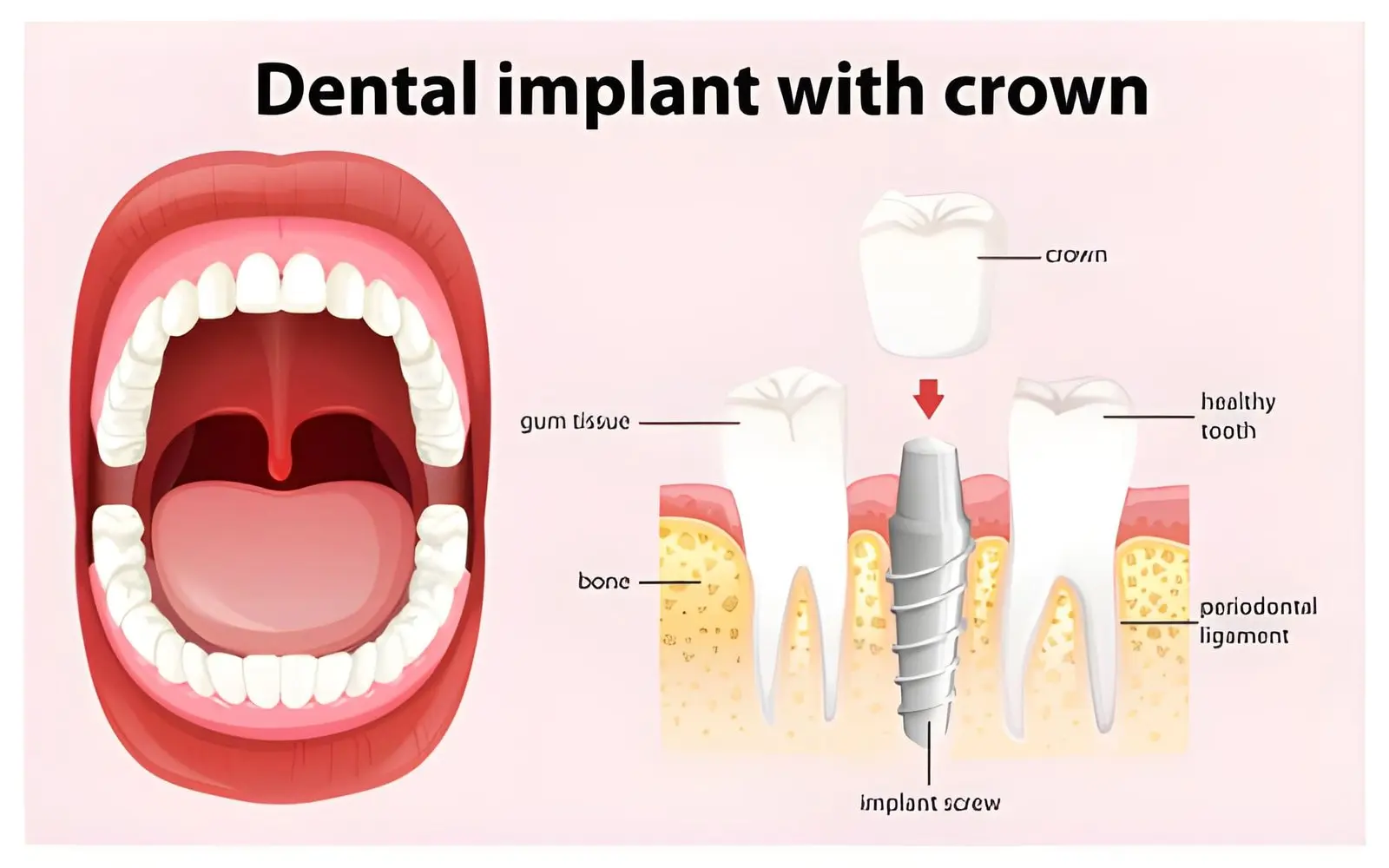
Dental implants are a popular and effective solution for replacing missing teeth, but experiencing throbbing pain after a dental implant crown can be alarming. While some discomfort is normal following the placement of a crown, persistent or severe pain can indicate complications. Understanding the causes, remedies, and preventive measures can help you manage discomfort and protect your oral health.
In this guide, we will explore home remedies for dental implant crown pain, common reasons for post-implant discomfort, and signs that require immediate dental attention. By the end, you’ll know exactly how to relieve implant crown pain safely and effectively.
Home Remedies to Relieve Throbbing Pain
Mild pain after dental procedures is common, and many people find relief through simple home remedies. These approaches can reduce inflammation, soothe sensitive gums, and support the healing process.
Over-the-Counter Pain Relievers
Ibuprofen or acetaminophen are often recommended to manage pain after dental implant surgery. Ibuprofen, a non-steroidal anti-inflammatory drug (NSAID), can reduce both pain and inflammation. Acetaminophen is an alternative for those who cannot take NSAIDs due to stomach or kidney concerns.
Cold Compress
Applying a cold compress externally can help reduce swelling and numb the affected area. Use an ice pack wrapped in a thin towel and apply for 10–15 minutes at a time, with breaks in between to avoid skin irritation. Cold therapy is particularly effective during the first 24–48 hours post-procedure.
Saltwater Rinse
A gentle saltwater rinse can promote healing and minimize bacterial growth around the implant. Mix 1/2 teaspoon of salt in a cup of warm water and swish gently around the implant site for 30 seconds. Repeat 2–3 times daily to reduce the risk of infection and soothe swollen gums after an implant crown.
Soft Diet
Avoid chewing on hard or crunchy foods at the implant site until the pain subsides. A soft diet helps prevent additional trauma to the area and minimizes irritation to the gums. Foods like mashed potatoes, yogurt, scrambled eggs, and smoothies are excellent choices during recovery.
Common Causes of Throbbing Pain
Throbbing pain after a dental implant crown is usually caused by several common factors. Inflammation of the gums and surrounding tissue is a normal part of the healing process, but prolonged redness, swelling, or tenderness may indicate a problem. An improper or high bite can create excessive pressure when chewing, leading to localized pain. Infection around the implant, with symptoms such as swelling, redness, pus, or persistent pain, is a serious cause that requires prompt treatment. Additionally, implant failure or bone issues, though rare, can result in significant pain and crown instability, requiring professional dental evaluation.
When to Call Your Dentist Immediately
While mild pain after a dental implant crown is normal, certain warning signs require urgent dental attention:
- Pain that lasts more than 3–5 days or gradually worsens.
- Swelling, pus, or fever around the implant site.
- A loose implant or a damaged crown.
- Severe throbbing pain that is not relieved by over-the-counter medication.
If you notice any of these symptoms, prompt care is important. Contacting a family dentist near Arlington VA or in your local area can help detect problems early, prevent complications, and ensure your implant heals properly.
Preventing Pain After Dental Implant Crowns
Prevention is key to minimizing discomfort and ensuring long-term success. Here are steps to reduce the risk of dental implant crown pain in the future:
Proper oral hygiene: Brush twice daily and floss carefully around the implant to prevent infection.
Routine dental checkups: Regular visits allow your dentist to monitor the implant and address potential bite or alignment issues early.
Avoid excessive pressure on the crown: Refrain from chewing hard foods or grinding your teeth, which can stress the implant.
Prompt bite adjustments: If you notice discomfort when biting, schedule an adjustment promptly to prevent prolonged pain or damage.
Frequently Asked Questions
- Can over-the-counter pain medication relieve implant crown pain?
Yes, medications like ibuprofen or acetaminophen can help manage dental implant crown pain and reduce inflammation effectively.
- Could throbbing pain indicate an infection?
Yes. If the pain is accompanied by swelling, redness, pus, or fever, it may signal a dental infection, requiring immediate care.
- Is a high bite the cause of throbbing pain?
A crown that doesn’t fit perfectly can create localized pressure. This can cause discomfort until your dentist adjusts the bite.
- Can I chew on a tooth with a new implant crown?
It’s best to avoid chewing hard foods on the implant site until pain subsides. This prevents aggravating the gums and surrounding tissue.
- How can I prevent pain after dental implant crowns in the future?
Follow post-operative instructions carefully, maintain oral hygiene, attend regular checkups, and address bite issues promptly to minimize risk.
Conclusion
periencing throbbing pain after a dental implant crown can be distressing, but in most cases, it is manageable with proper care. Home remedies such as over-the-counter pain relievers, cold compresses, saltwater rinses, and a soft diet can help reduce discomfort and support the healing process.
If the pain persists, becomes severe, or is accompanied by swelling or signs of infection, seek immediate dental care. Visiting a trusted provider of dental implants Arlington VA, or any reputable clinic in your local area, can help ensure that issues are diagnosed and treated promptly. By maintaining good oral hygiene, attending regular checkups, and following your dentist’s instructions, you can keep your dental implants healthy and comfortable for years to come.
Also Read
- How Technology Is Shaping the Features of Modern Cars
- Building Reliable Financial Forecasts for Modern Businesses
- The Trust Quotient: How a High Claim Settlement Ratio Builds a Solid Term Life Insurance Plan

