


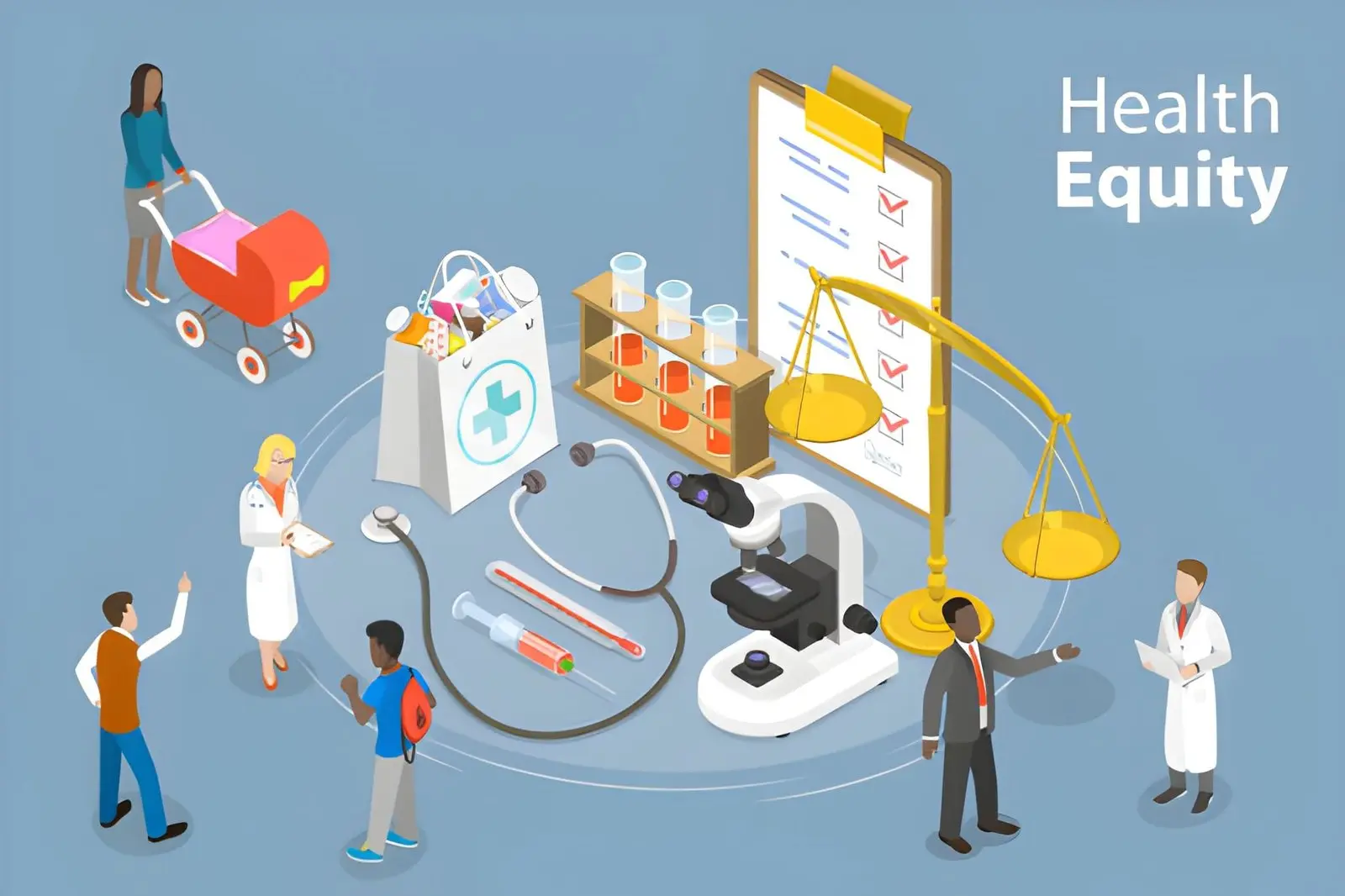
Preventive health has become one of the most important conversations in modern medicine. While many people think about healthcare only when symptoms appear, the reality is that some of the most valuable health decisions happen long before a person ever schedules an appointment. From understanding routine screenings to learning how daily habits affect long-term wellness, preventive health education gives people the information they need to make more confident choices.
This is one reason health-focused resources like The Clinic Corner can play an important role online. When patients, caregivers, and everyday readers have access to clear, trustworthy, easy-to-understand health information, they are better equipped to ask informed questions, recognize potential concerns, and participate more actively in their own care.
What Is Preventive Health?
Preventive health focuses on reducing risk, identifying potential concerns early, and supporting long-term well-being. It does not replace medical care or professional guidance, but it can help people understand when and why care may be needed.
Common examples of preventive health include:
- Annual wellness visits
- Blood pressure checks
- Cholesterol testing
- Cancer screenings based on age and risk factors
- Vaccinations
- Dental checkups
- Eye exams
- Nutrition and physical activity guidance
- Mental health awareness
- Sleep and stress management
The goal is not to create fear or encourage people to self-diagnose. Instead, preventive health education helps people recognize that small, consistent actions may support better long-term outcomes.
Why Education Matters in Healthcare
Medical information can be confusing. Many people search online because they want quick answers, but not every source explains health topics responsibly. Some content is too technical, while other content oversimplifies or makes exaggerated promises.
High-quality health education bridges that gap. It helps readers understand the basics without pretending to replace a licensed healthcare provider. For example, a person reading about high blood pressure may learn what blood pressure numbers mean, why monitoring matters, and why they should speak with a clinician if their readings are consistently elevated.
That type of education can lead to better conversations between patients and providers. Instead of arriving at an appointment unsure of what to ask, patients can come prepared with specific questions about symptoms, lifestyle factors, family history, or screening options.
Everyday Habits That Support Preventive Wellness
Preventive health is not only about medical appointments. Daily habits also matter. While every person’s needs are different, many healthcare professionals encourage people to focus on the basics: balanced nutrition, regular movement, quality sleep, stress management, hydration, and avoiding tobacco products.
These habits are not magic solutions, and they do not eliminate the need for medical care. However, they can support general wellness and may reduce certain health risks over time. The challenge is that many people feel overwhelmed by health advice. One source says to follow one diet, another promotes a different routine, and social media often turns health into a trend.
That is why simple, practical education is so valuable. Instead of chasing extreme changes, many people benefit from realistic steps they can maintain. Walking more often, preparing more balanced meals, scheduling overdue checkups, and improving sleep routines can all be meaningful places to start.
The Role of Trusted Health Content Online
The internet is often the first place people turn when they have health questions. This makes responsible health content more important than ever. Websites that publish helpful medical and wellness articles should aim to be accurate, balanced, and clear about when readers should seek professional care.
A strong health article should avoid scare tactics, miracle claims, and one-size-fits-all advice. It should also recognize that every person’s health situation is different. Age, medical history, medications, family history, lifestyle, and access to care can all affect what guidance is appropriate.
For growing health education platforms like The Clinic Corner, the opportunity is to create a space where readers can explore medical and wellness topics in a way that feels approachable, practical, and grounded. Whether the subject is preventive care, nutrition, mental health, chronic condition awareness, or healthcare industry trends, the goal should always be to help readers feel more informed—not more confused.
Building a More Informed Patient Community
Better health education benefits everyone. Patients become more confident. Providers can have more productive conversations. Families can better support loved ones. Communities can become more aware of common health risks and available care options.
Preventive health education is not about replacing doctors, diagnosing conditions online, or promising specific outcomes. It is about helping people understand their bodies, recognize the value of routine care, and take a more active role in their well-being.
As healthcare continues to evolve, accessible online education will remain an important part of the patient journey. By publishing clear and responsible health content, platforms like The Clinic Corner can help make medical information easier to understand and more useful in everyday life.
Also Read-How Safer Roads and Smart Tech Are Changing the Car Accident Landscape

