


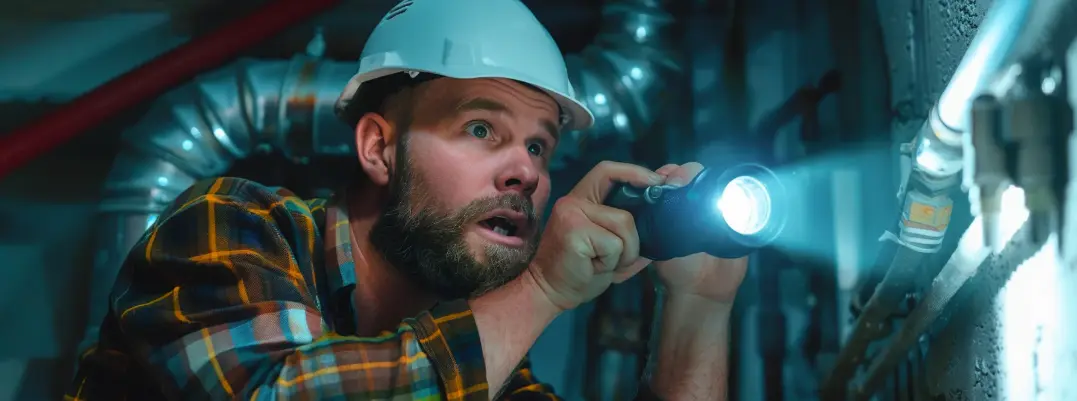
Unexpected leaks, blockages, and other plumbing issues can have a serious impact on a home’s infrastructure and the health of its occupants. A staggering number of household insurance claims are due to water damage, often resulting from neglected plumbing systems. Regular engagement with a plumber can help mitigate these risks effectively.
By understanding the benefits of regular plumbing maintenance, homeowners can take proactive steps to protect their living environment and ensure the safety and comfort of their family. In this article, we explore the ways in which such maintenance contributes to a safer home.
How Regular Plumbing Maintenance Prevents Water Damage and Mold Growth
Regular plumbing maintenance serves as a defensive strategy against water damage, which is one of the most common and costly home repair issues. By identifying and fixing leaks early, homeowners can prevent extensive structural damage to their property.
Water intrusions create the perfect breeding ground for mold and mildew, leading to health problems and costly remediation. According to the Environmental Protection Agency, controlling moisture is the key to preventing mold at home. Small undetected leaks in the plumbing system can quickly escalate, resulting in mold growth, which can be extremely difficult to eliminate once established.
To prevent these issues, homeowners should schedule annual inspections of their plumbing systems, including the identification of any moisture problems. Early intervention and fixing exposed pipes can drastically reduce the risk of water damage and mold development.
Enhancing Air Quality in Your Home with Plumbing Inspections
Diligent plumbing inspections can significantly enhance the air quality in one’s home, mitigating risks associated with poor ventilation and pipe deterioration. The indoor air quality can be compromised by sewer gas leaks, which are not only unpleasant but can also be harmful if inhaled over a prolonged period.
For example, a cracked vent or a dry trap can allow sewer gases to seep into the home, reducing air quality and presenting potential health risks. By ensuring that all plumbing vents are properly functioning and traps are correctly filled with water, these gases can be kept at bay.
Homeowners should consider regular checks of all sewer lines, sump pumps, and other components that could affect air quality. Plumbers can also recommend upgrades or repairs to enhance the overall indoor air environment of the home.
Safeguarding Against Plumbing Emergencies and the Resulting Safety Hazards
Proactive plumbing maintenance can avert emergencies that often lead to substantial risks, such as electrical hazards from water leakages. Burst pipes, for instance, can cause immediate flooding, resulting in potential electric shock incidents where water contacts power lines or outlets.
Furthermore, emergency situations like gas leaks from water heaters, if not maintained, can be particularly dangerous, leading to fire hazards or explosions. In 2019, the National Fire Protection Association reported over 7,000 home fires involving gas leaks, underscoring the need for regular appliance checks.
By incorporating regular plumbing maintenance into their home-care routine, individuals can significantly reduce the likelihood of facing dangerous situations. Inspecting shut-off valves, water heater functionality, and gas line integrity regularly is vital to home safety.
Maintaining Water Quality and Pressure Through Routine Plumbing Checks
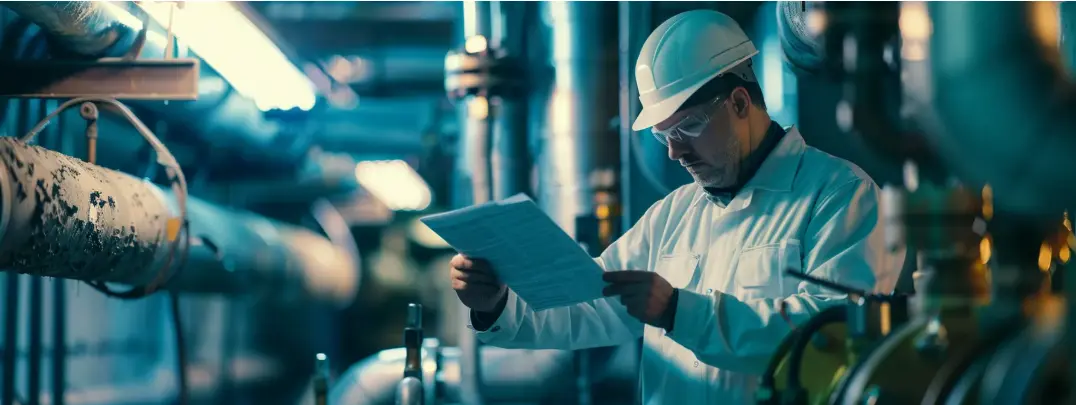
Another aspect of home safety related to plumbing is water quality and pressure. Corroded pipes or sediment build-up can compromise the purity of tap water, possibly exposing residents to harmful contaminants.
Corrosion in pipes can lead to a host of issues, including heavy metal toxins leaching into water and reduced water pressure, which impacts daily functions. Regular checks ensure that the integrity of pipes is maintained, reducing the risk of contamination. According to studies by the Centers for Disease Control and Prevention (CDC), millions of Americans are affected by waterborne diseases annually, making this an important health consideration.
It is advisable to have a licensed plumber perform periodic inspections on your home’s plumbing system to assess water quality and ensure fixtures and water pressure regulators are functioning optimally to provide clean, safe water at the right pressure.
Overall, regular plumbing maintenance is not a luxury but a necessity for ensuring home safety. From averting significant water damage to enhancing air quality, preventing emergencies, and safeguarding water quality and pressure, the benefits are evident. Keeping a well-maintained plumbing system not only protects the structural integrity of a home but also the health and well-being of its occupants. Regular checks and repairs are indeed small investments that can prevent costly and hazardous outcomes in the future.
Also Read
- Aging in Place Home Checklist for Safer Living
- How Lifestyle Changes Can Help Manage Anxiety
- Exploring Life: Living Organisms and Their Environment in Human Biosciences

