


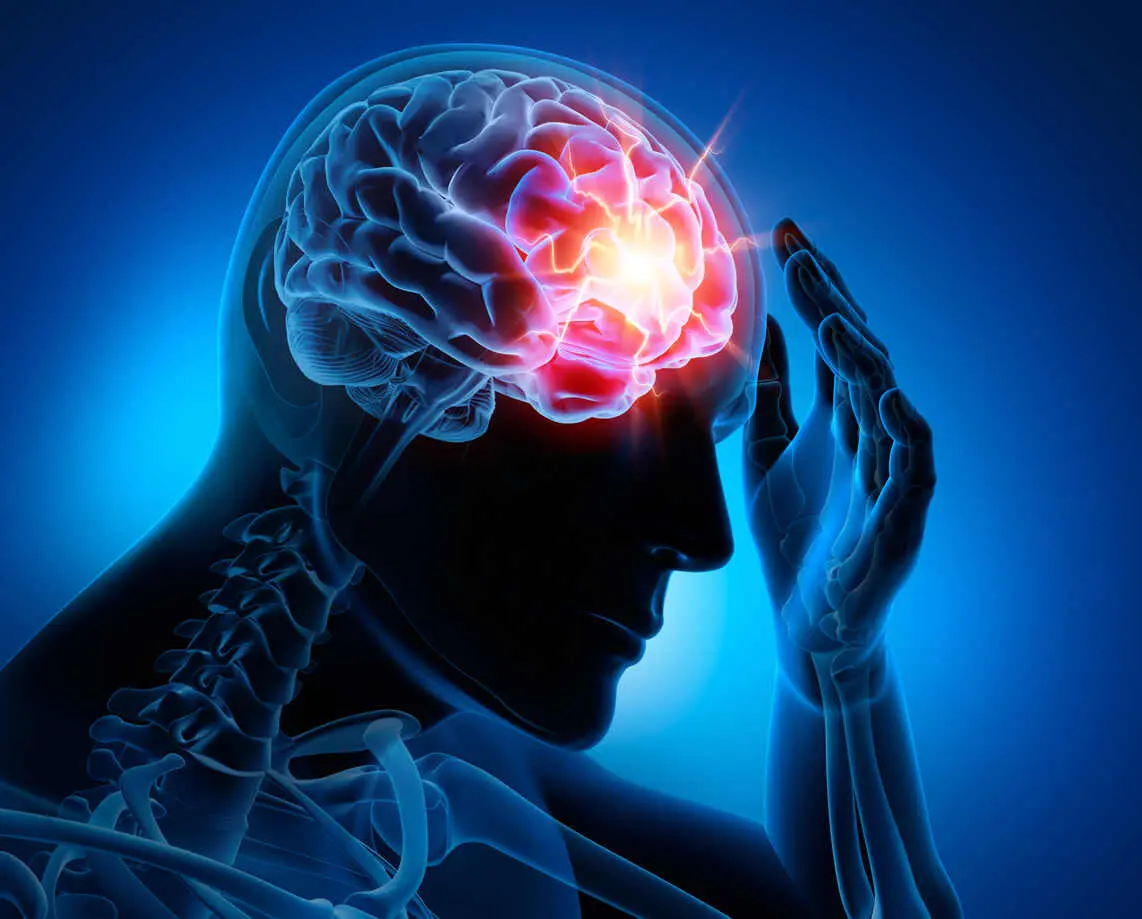
Understanding the Importance of Brain Injury Diagnosis
A car crash or any significant accident can lead to traumatic brain injuries (TBIs), many of which are not immediately visible. Quick identification and intervention are crucial because the symptoms of brain injuries may be subtle or delayed. If you suspect a head injury after an accident, seeking an immediate evaluation is essential, not just for your health but also for understanding your legal options with a wrongful death attorney near me should the worst occur. The stakes are high with a brain injury. Undiagnosed injuries may lead to worsening neurological problems, permanent disabilities, or even fatalities. Therefore, accurate diagnosis is crucial to ensuring prompt treatment and proper documentation for legal claims and insurance purposes.
How Medical Professionals Diagnose Brain Injuries
Diagnosis of a brain injury after a crash usually starts with an immediate on-scene assessment by paramedics or emergency responders. The process may involve several steps and specialized tests, as outlined below.
Initial Assessment and Patient History
The immediate evaluation involves obtaining a detailed medical history of the accident. Patients or witnesses are asked about loss of consciousness, confusion, headaches, memory loss, and other symptoms. Doctors also review previous medical conditions that could affect recovery or aggravate the injury.
Physical and Neurological Examination
A physical exam is performed to check for visible injuries to the head or neck. This examination includes assessing pupillary response, motor responses, balance, and reflexes. The Glasgow Coma Scale (GCS) is commonly used to evaluate a patient’s level of consciousness quickly. The scale ranges from 3 to 15, where lower scores indicate more severe brain impairment.
Imaging Tests
If a brain injury is suspected, medical professionals typically recommend imaging to obtain a more precise diagnosis. The main tools are:
- CT Scan (Computed Tomography):This is often the first imaging test as it helps detect bleeding, blood clots, bruised brain tissue, and skull fractures.
- MRI (Magnetic Resonance Imaging):Used for more detailed images, especially when symptoms persist or worsen beyond the initial CT findings. MRI can identify areas of the brain affected by swelling, lesions, or microscopic injuries that CT scans might miss.
Advanced Diagnostics and Monitoring
For more severe brain injuries or those that evolve after initial care, further diagnostic approaches may be used:
- Intracranial Pressure Monitoring:Sensors may be inserted to monitor swelling and pressure inside the skull, which can be life-saving in serious cases.
- Neuropsychological Testing:Detailed cognitive assessments can be administered later to detect more subtle deficits in memory, attention, or problem-solving skills.
Recognizing Common Symptoms of Brain Injuries
Since not all brain injuries produce immediate or obvious symptoms, crash victims and their families need to be vigilant. Common signs of TBI include persistent headaches, confusion, fatigue, dizziness, nausea, changes in mood or behavior, and problems with vision or hearing. Symptoms might appear hours or even days after an accident, making post-crash observation critical.
The Legal and Medical Importance of Comprehensive Documentation
Accurately documenting all findings from medical visits, tests, and follow-up care is essential. Thorough medical records not only guide ongoing treatment but also serve as vital evidence in personal injury claims or wrongful death lawsuits. Comprehensive documentation can demonstrate the extent of the injury and provide proof of damages.
What to Do After a Crash: Steps for Brain Injury Victims
- Seek Emergency Care:Always visit the emergency room if you suspect a brain injury or if you observe any concerning symptoms. Do this even if you feel fine initially, as symptoms can appear later.
- Keep Detailed Notes:Write down any new or changing symptoms. Record dates, times, and circumstances for reference in both medical and legal matters.
- Schedule Follow-Up Visits:Traumatic brain injuries may require weeks or months of recovery. Follow your doctor’s advice, attend all appointments, and complete all prescribed treatment plans.
- Consult Legal Advice:Understanding your rights after a crash is important, especially if someone else’s negligence was involved. Legal professionals can help ensure you receive fair compensation for injuries and related damages.
Conclusion
Diagnosing brain injuries after a crash involves a combination of rapid medical assessment, advanced imaging, ongoing monitoring, and vigilant symptom tracking. Acting quickly can be the difference between a full recovery and long-term complications. Thorough medical documentation not only aids in the healing process but also strengthens potential legal claims, allowing victims and their families to pursue the justice and support they deserve.
Also Read-
- How Technology Is Shaping the Features of Modern Cars
- Health Technology in Simple Words: How It Helps People Every Day
- How Do Mental Health Platforms Handle Online Adderall Prescriptions?

