


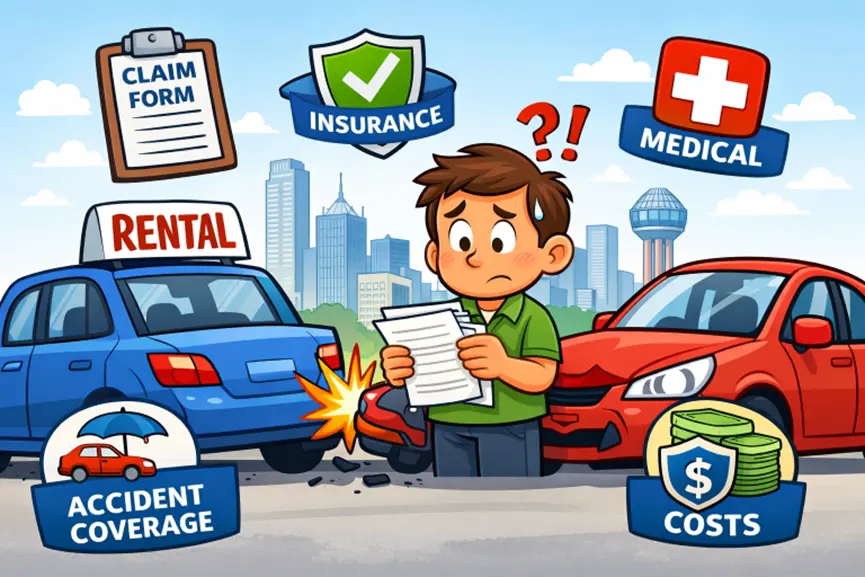
Texas sees a high volume of car rentals, particularly in metropolitan areas. When an accident occurs in a rental car, unique legal factors come into play compared to accidents involving privately owned vehicles. Drivers, renters, and injured parties need to understand their roles and potential liabilities. Should you or someone you know be involved in such a collision, seeking guidance from a knowledgeable rental car accident lawyer Houston is crucial to protecting your rights and interests.
Unlike standard car accidents, those involving rental vehicles create a complex web of contracts, insurance policies, and state legal nuances. Navigating these distinctions is important for anyone seeking compensation or defending against claims. This article outlines the major ways Texas law treats rental car accidents as distinct from ordinary vehicle collisions, so both renters and accident victims can make informed choices.
Unique Liability Issues in Rental Car Accidents
In Texas, the person who rents the car is typically the primary party responsible for damages from an accident. However, liability may extend to the rental company or even other insured drivers, depending on who was behind the wheel and the exact wording of the rental agreement. Renters are often surprised to learn that just because they paid for a vehicle does not mean the company itself takes on all the risk. Understanding this distinction is crucial in the event of an accident.
Insurance Coverage Implications
Insurance coverage in a rental car accident scenario involves several layers. First, the renter’s personal auto insurance usually acts as the primary coverage. If the policy limits are reached or if there is a gap, the rental company’s insurance may apply next, but often only as secondary coverage. Many customers also purchase a Collision Damage Waiver (CDW) or optional rental insurance, which further alters the claims process. The Texas Department of Insurance outlines the intricacies of insurance stacking and its impact on payouts and liability, warranting careful review of all policy documents and rental contracts.
Notification and Reporting Obligations
Reporting an accident involving a rental car in Texas carries distinct notification requirements. Renters must not only notify law enforcement and their insurance company, as required in any car crash, but also report the incident to the rental agency immediately. Failure to abide by these terms can invalidate insurance coverage or breach the rental agreement, leading to personal liability for damages. Renters should scrutinize the contract’s accident notification section and act promptly, supplying documentation and cooperating fully with all investigating parties.
Damage Waivers and Contractual Clauses
Most rental car contracts in Texas include optional loss damage waivers (LDWs). These waivers shield renters from liability for physical damage to the vehicle, provided conditions are met. However, there are exceptions; if the accident results from prohibited use (such as an unauthorized driver or reckless conduct), the waiver can be voided. Other contractual clauses, such as requirements to use specific payment methods or to report accidents within a tight timeline, further shape how claims are handled.
Rental Car Company Responsibilities
Rental agencies must ensure their vehicles are properly maintained and meet minimum safety standards. Houston, Dallas, and other parts of Texas see frequent litigation over whether mechanical failure or the rental company’s negligence contributed to an accident. If a defect, poor maintenance, or failure to disclose a known problem leads to a crash, the company may face direct liability. Reading about recent Texas court rulings on rental safety in The New York Times provides additional national context for these duties.
Third-Party Claims and Injuries
When another driver or pedestrian is injured in an accident involving a rental car, the claims process depends on who was at fault and whose insurance policy applies. Texas is an at-fault state, meaning the liable party, whether the renter or a third party, must compensate the injured party for damages. Complications arise when the renter’s insurance is insufficient or secondary coverage becomes contentious, leading to claims involving multiple insurers and protracted negotiations.
What to Do After a Rental Car Accident in Texas
If you are involved in a rental car accident in Texas, take immediate safety precautions. Call for medical help if necessary, and report the accident to the police. Collect the names, contact information, and insurance details of all involved and photograph the scene. Then, contact both your insurer and the rental agency as soon as possible. This multi-step process is vital given the added legal and contractual responsibilities compared to personal vehicle accidents.
When to Seek Legal Help
Given the many nuances and parties often involved in rental car accident cases, it is prudent to seek legal advice early. A skilled attorney familiar with Texas rental car accident law can help clarify liability, communicate with multiple insurers, and ensure fair compensation or defense. In highly contested cases, legal expertise can make the difference between a rejected claim and a successful resolution. For a broad understanding of how accident claims are managed and why prompt and careful action matters, review guidance at Consumer Reports.
Conclusion
Rental car accidents in Texas involve complex liability, insurance, and contractual issues, making them more complicated than standard vehicle accidents. Renters must understand responsibility, coverage gaps, damage waivers, and reporting requirements. Multiple parties, rental companies, insurers, and third parties can delay claims. To protect themselves, individuals should review rental agreements, ensure proper insurance, and act quickly after an accident. For disputes or unclear liability, consulting a legal professional helps safeguard rights and manage claims. Preparation, awareness, and prompt action are essential for confidently handling rental car accidents.
Also READ-SLA Technology for Ultra Fine Resin Model Development

