


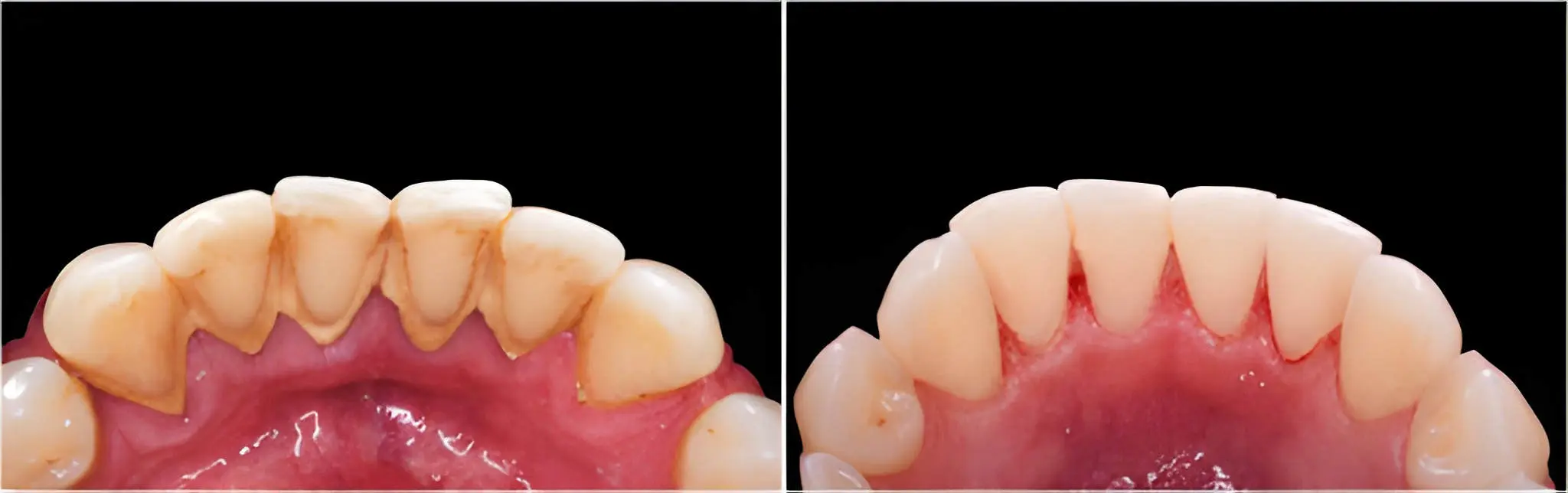
You might be feeling a little self-conscious every time you see your smile in a photo. Maybe your front teeth look shorter than they used to, the edges look chipped or uneven, or the enamel has lost that smooth shine. It did not happen all at once. It crept up slowly, through years of grinding, nail biting, or simply getting older, until one day you realized your teeth no longer match how young you feel inside. That’s where Fresno Invisalign can step in and help you get your youth back.
If that sounds familiar, you are not being “vain.” Teeth are a big part of how you show up in the world. When they look worn down, you might smile less, hesitate in meetings, or avoid being in pictures. At the same time, you may worry about the cost of cosmetic work, how natural it will look, and whether it will damage what is left of your teeth.
The good news is that there is a conservative option that often fits right in the middle. Edge bonding for worn teeth can rebuild the length and shape of your teeth, refresh their shine, and protect them from further wear, usually with little to no drilling. In simple terms, a cosmetic dentist uses tooth colored resin to carefully reshape the edges, so your teeth look more youthful and feel smoother again.
So, where does that leave you? You do not have to decide anything today. You only need to understand what is happening to your teeth, what edge bonding can and cannot do, and how to choose a path that feels safe, sensible, and kind to both your smile and your budget.
Why are your teeth wearing down in the first place?
Before you fix the edges, it helps to understand why they are breaking down. Teeth rarely wear for no reason. Often, there is a mix of habits, bite issues, and simple time.
One common cause is grinding or clenching, known as bruxism. Many people grind in their sleep and have no idea until a partner hears it or a dentist spots the signs. Research shows that bruxism can flatten tooth edges, create tiny cracks, and make teeth more sensitive over time. You can read more about this in the National Institute of Dental and Craniofacial Research overview on bruxism and tooth grinding.
Acid wear is another factor. Frequent soda, citrus drinks, reflux, or certain medications can soften enamel. Once enamel is softened, normal chewing puts more pressure on the edges, and they chip or thin more easily.
Then there are everyday habits. Biting your nails, opening packages with your teeth, or chewing on pens might seem harmless, yet over the years, they act like sandpaper on the same few edges, leaving them jagged and shorter.
Because of all this, you might wonder, “If I just fix the edges, will the same thing happen again?” That is a smart question, and it is exactly where a thoughtful cosmetic dentist starts. The goal is not only to restore shape and shine, but to understand the forces that damaged your teeth so the repair lasts.
What makes worn teeth feel so discouraging?
The physical wear is only part of the story. The emotional impact can be heavier than you expected.
You might notice you keep your lips closed in photos, or you worry that worn edges make you look older or more tired. Some people feel embarrassed in close conversations, especially if the edges are chipped or the teeth look uneven when they talk.
There is also a quiet fear underneath. If the teeth already look this worn, what will they look like in five or ten years? Will they keep chipping? Will you end up needing crowns on many teeth, with a much higher cost and more drilling than you ever wanted?
This is where cosmetic edge bonding often fits so well. It can act as both a cosmetic refresh and a protective layer over thin enamel. When done carefully, it can buy you many years of comfort and confidence, and sometimes delay or even avoid more aggressive treatments.
How does edge bonding for worn teeth actually work?
Edge bonding uses a tooth colored resin that is gently layered onto the worn or chipped areas, then shaped and polished so it blends with your natural enamel. Think of it as custom sculpting, not just “gluing something on.”
Here is what usually happens at the dentist, step by step.
First, the dentist studies how you bite and how your teeth come together. In many cases, they will look for signs of grinding, erosion, or old fillings that may be contributing to the wear.
Second, the tooth surface is lightly prepared and conditioned so the bonding can attach securely. Often, there is little or no drilling. This is one reason tooth bonding for worn edges is considered conservative.
Third, the cosmetic dentist layers the resin, cures it with a special light, and shapes it to restore the original length and contour. The final polishing gives that smooth, enamel-like shine that catches the light in a natural way.
You leave the visit with your teeth looking longer, more even, and often whiter at the edges. Many people are surprised at how different their smile feels with such a subtle change. The key is that the work respects your natural tooth structure, instead of removing a lot of it.
How does edge bonding compare to other options?
You might be wondering whether you should choose bonding, veneers, or crowns, or do nothing and just “live with it.” Each path has trade-offs in cost, durability, and how much tooth needs to be removed.
The table below gives a simple comparison for worn front teeth when you are considering cosmetic bonding.
| Treatment | Tooth removal | Typical lifespan | Cost level | Best suited for |
| Edge bonding | Minimal or none | 3 to 7 years, sometimes longer with good care | Lower | Mild to moderate wear, chips, uneven edges |
| Porcelain veneers | Moderate enamel removal | 10 to 15 years on average | Higher | Moderate to severe wear, color changes, shape changes |
| Dental crowns | Significant tooth reshaping | 10 to 15 years on average | Higher | Teeth with large fractures, heavy wear, or existing big fillings |
| No treatment | None | Depends on habits and wear | None | Very mild wear or when you are not ready for cosmetic care |
One study has shown that modern resin materials, when properly bonded and maintained, can perform very well for conservative restorations, especially when the bite is balanced and protective habits are in place. If you are curious about the science, you can look at this research on adhesive restorations and long-term performance.
So how do you choose? If your teeth are only slightly shortened or chipped, edge bonding is often a gentle first step. If the teeth are already heavily damaged or discolored, your dentist might suggest combining bonding with other options, or planning for veneers or crowns in the future while using bonding as a bridge for now.
Three smart steps to protect your smile and make edge bonding last
Even the best cosmetic work needs support from your daily habits. You have more control than you might think.
-
Get to the root of the wear pattern
Ask your cosmetic dentist to assess your bite and screen you for grinding. If bruxism is part of the problem, a custom night guard can be one of the simplest ways to protect both your natural teeth and any bonding. If acid is a factor, small changes like reducing sodas, spacing acidic drinks with water, or managing reflux with your physician can help preserve your enamel and your new bonded edges.
-
Treat your teeth like natural porcelain, not tools
Bonding is strong, but it is not unbreakable. Avoid biting ice, opening packages, or crunching hard candies with your front teeth. If you love nuts or crusty bread, use your back teeth where the bite forces are better distributed. These little shifts reduce the risk of chips and extend the life of your bonding, often by years.
-
Plan for gentle maintenance, not constant repair
Schedule regular checkups and cleanings so your dentist can polish the bonding, check for early wear, and adjust your bite if needed. Tiny touch ups are quicker and less costly than waiting until something cracks. If you ever feel a rough spot or notice a small chip, call sooner rather than later. A quick polish or minor repair can keep your smile looking fresh without starting from scratch.
Where do you go from here?
If you are tired of seeing worn, uneven edges in the mirror, you are not overreacting. You are noticing a real change in your teeth and how you feel about your smile. Cosmetic bonding for worn teeth offers a gentle way to restore length, shape, and shine while respecting the teeth you already have.
You do not have to commit to treatment to start. A thoughtful consultation with a cosmetic dentist is simply a chance to be heard, to understand why your teeth have worn the way they have, and to explore whether cosmetic dentistry options like edge bonding fit your goals, your comfort level, and your budget.
Your smile has carried you through a lot. With the right care and a conservative plan, it can look more like you again, and you can feel at ease showing it.
Also Read
- 6 Technologies That Are Transforming General Dentistry Today
- Business Registration & Why It Makes Sense To Do It Here In Australia.
- Preventive Dental Care: Your Path to Lifelong Oral Health

