


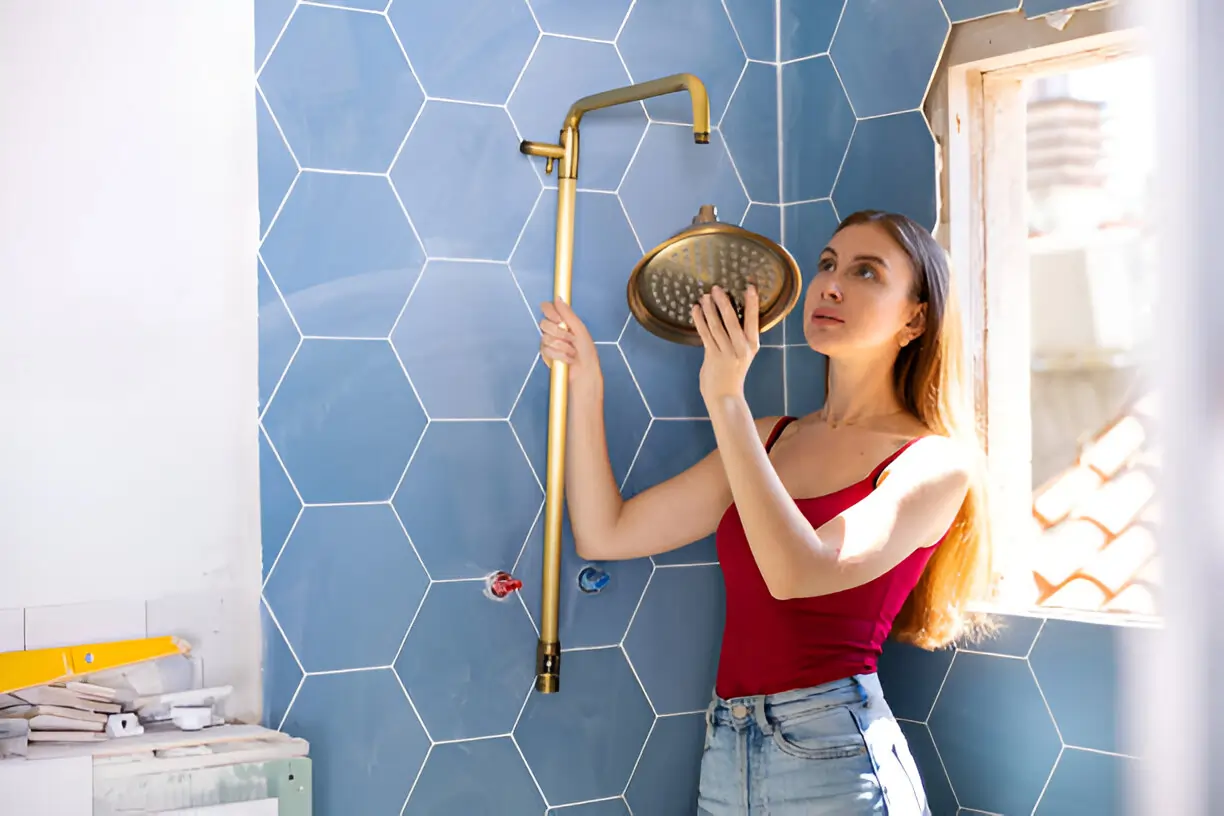
Leaking showers are one of the most common—and often underestimated—issues in Australian homes. A small drip today can lead to costly water damage tomorrow. From damp walls to rising water bills, shower leaks can quickly turn into a homeowner’s nightmare. Recognising the early warning signs, such as loose tiles, musty odours, or visible water stains, is essential to preventing long-term damage.
Why Showers Leak in Australian Homes
Several factors contribute to leaking showers across Australia. In many cases, the cause lies in degraded waterproofing membranes, cracked grout, or poorly sealed joints. Australia’s diverse climate—from Melbourne’s cool, wet winters to the more humid northern states—can affect tile adhesion and grout durability.
Water quality also plays a role. In some areas, high mineral content can accelerate wear on seals and grout. Additionally, the construction methods used in older Australian homes may lack the modern waterproofing standards we see today, making them more prone to leaks.
The Dangers of Ignoring a Leaking Shower
Delaying repairs can lead to more than just a bigger puddle. The risks include:
-
Structural damage – Water can seep into timber framing, leading to rot.
-
Mould and health hazards – Damp conditions provide the perfect breeding ground for mould spores, which can affect indoor air quality.
-
Higher water bills – Even a small leak can waste thousands of litres per year.
-
Lower property value – Buyers often view unresolved leaks as a red flag.
A leaking shower isn’t just a minor inconvenience—it’s a threat to your home’s integrity and your family’s health.
DIY vs Professional Repairs
In some cases, minor re-grouting or sealant application can be done by homeowners. However, once a leak penetrates beneath tiles or damages the waterproofing layer, it’s time to bring in an expert.
Local expertise is especially important in Australia, as building codes, climate considerations, and common bathroom designs vary from city to city. For instance, Melbourne homes often have unique structural layouts and waterproofing requirements that need specialised attention.
For leaking shower repairs in Melbourne visit [The Grout Guy] a trusted name in targeted, non-invasive repair methods that keep disruption to a minimum.
What to Expect During Professional Shower Repairs
Professional leaking shower repairs generally follow a clear process:
-
Assessment – Experts identify the source of the leak and assess tile, grout, and seal integrity.
-
Repair method selection – This might include re-grouting, seal replacement, or waterproofing membrane repair.
-
Execution – Many modern services can fix leaks without removing tiles, reducing time and mess.
-
Guarantees – Reputable providers offer waterproofing warranties for peace of mind.
Most repairs can be completed in a day, allowing you to get back to normal quickly.
Preventing Future Shower Leaks
Prevention is always better than cure. Homeowners can reduce the risk of leaks by:
-
Inspecting grout and seals every 6–12 months.
-
Using high-quality, waterproof grout suitable for Australian conditions.
-
Ensuring adequate ventilation to minimise humidity build-up.
-
Avoiding harsh cleaners that degrade grout over time.
Regular maintenance keeps your bathroom in top shape and helps you avoid costly repairs.
Conclusion
Leaking showers are a serious issue for Australian homeowners, but with timely action, they can be resolved efficiently. Understanding the causes, recognising the signs early, and choosing the right repair service are key to protecting your home.
If you suspect a leak, act now—for leaking shower repairs in Melbourne visit The Grout Guy. By choosing an experienced, local professional, you’ll save money, maintain your property’s value, and enjoy the peace of mind that comes from knowing your bathroom is fully protected.
Read more: Why Nagad88’s Signup Process Feels Tailor-Made for Bangladeshi Users – Dimensions Script
Breezy Elegance: Styling the Perfect Beach Dresses for Sunny Getaways
Virtual Assistants for Private Clinics, Hospitals & Telehealth Providers in the U.S.

