


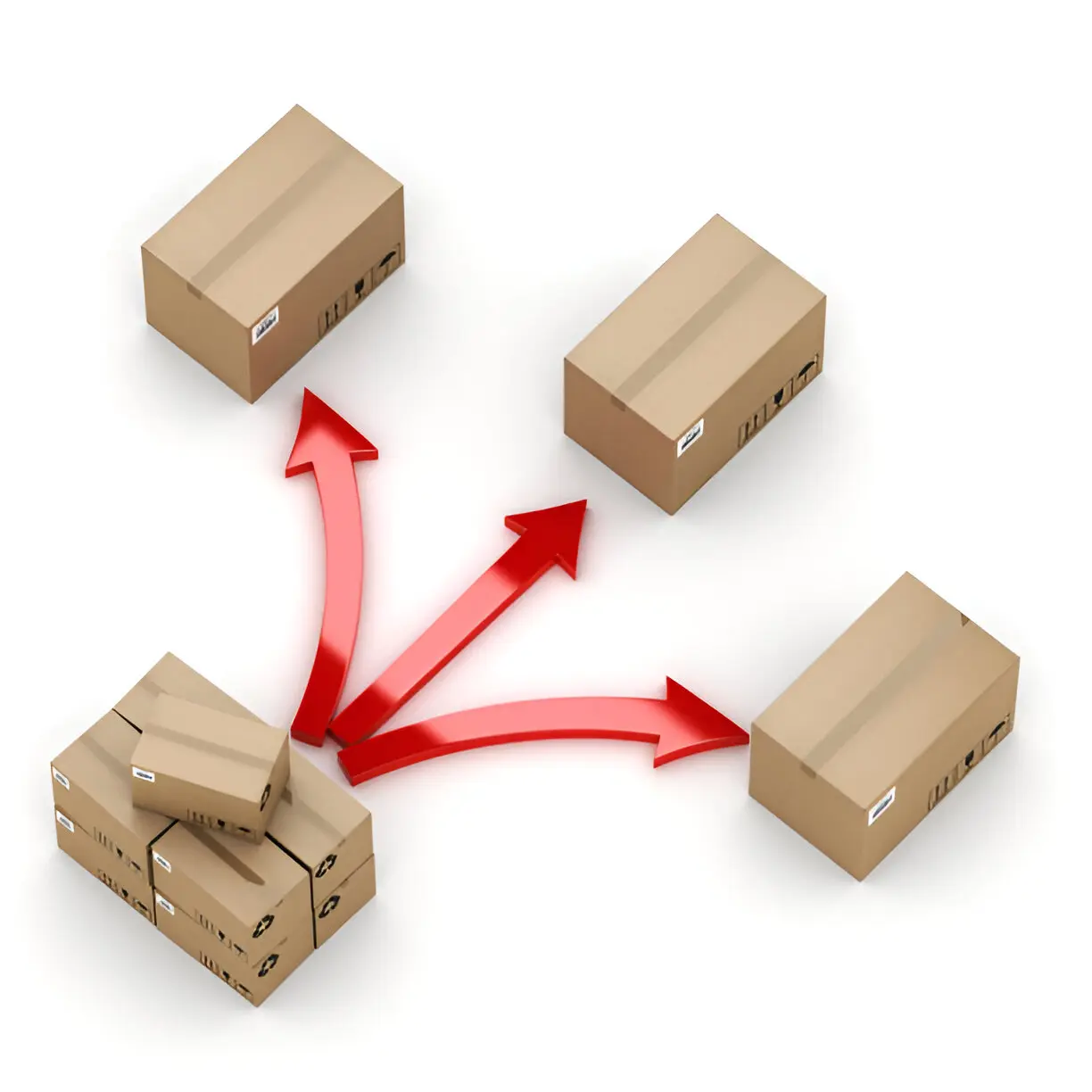
What Is Shipping Consolidation?
Consolidation is a popular strategy in retail, electronics, and fashion industries, where companies collaborate with multiple overseas manufacturers. This strategy prevents scattered imports, benefits from a single bill of lading, fewer customs entries, and reduced processing time. Consolidation helps companies hedge against unpredictable costs and maintain shipment reliability during fluctuating international shipping rates.
Shipping consolidation is a logistics strategy in which multiple small shipments, often from different suppliers or business units, are grouped into a single, larger freight container for transport. Instead of sending out numerous less-than-container loads (LCL) and paying individual shipping rates—which can be prohibitively expensive—importers combine these loads to utilize an entire container. By opting for Hong Kong to US shipping consolidation, for example, businesses shipping internationally can significantly lower their freight costs and streamline their import procedures.
How Consolidation Benefits Importers
The most noticeable benefit of shipment consolidation is the reduction in total shipping costs. Freight carriers almost always offer lower per-unit pricing for full-container loads (FCL) versus multiple LCLs.Companies that consolidate loads have seen up to a 30% decrease in freight expenses during volatile shipping seasons. Savings are only the beginning: administrative workloads become lighter, with fewer documents to juggle and less risk of misfiled or lost shipments.
Moreover, consolidated shipping helps importers manage inventory far more efficiently. Rather than receiving a stream of small packages at staggered intervals, companies get bulk deliveries, which improves warehouse planning and reduces the chances of out-of-stock situations. Streamlined delivery schedules also decrease the likelihood of missed deadlines or delayed launches, which can be critical in industries with tight market windows or seasonal demand peaks. The cumulative effect is a smoother, more predictable supply chain that is easier to track and adapt to rapid changes in the global market.
Types of Shipment Consolidation Methods
Shipment consolidation methods include buyer consolidation, cross-docking, and hub-and-spoke. Buyer consolidation involves bringing orders from multiple suppliers together at an origin warehouse or port, forming a single shipment. Cross-docking involves quickly sorting and distributing goods to their destination, minimizing storage time. Hub-and-spoke combines shipments from various locations at a central hub before being consolidated into a full container for export. The optimal method depends on factors like the variety of goods, time sensitivity, region of origin, and end-customer requirements. For example, an apparel brand may choose buyer consolidation to synchronize delivery dates and avoid high LCL charges. At the same time, electronic parts distributors use hub-and-spoke systems to bring components together before final assembly and shipping, often taking advantage of FCL shipping when volumes are sufficient, allowing for greater control, reduced handling, and better protection of goods in transit.
Key Considerations Before Choosing Consolidation
Consolidated shipping is unsuitable for all importers, but it can be beneficial if the volume of goods is sufficient. If the volume is steady, hybrid or shared-container options may be more suitable. Consolidation should not compromise delivery deadlines for perishable or high seasonal demand products. Supplier proximity can simplify consolidation, but a shared gathering point can be beneficial if scattered. Customs and regulatory complexity can be added by combining shipments, so coordination is crucial. Digital scheduling and documentation tools are being used to streamline consolidation, automate customs forms, and minimize bottlenecks. However, upfront planning and clear vendor communication are still essential for success.
Potential Risks And How To Mitigate Them
Consolidation can lead to significant benefits, but it also presents risks such as production delays, documentation issues, and increased operational complexity. To reduce these risks, it is recommended to implement advanced tracking systems, partner with experienced logistics providers, set clear protocols for suppliers, and build time cushions into your schedule. These measures ensure that minor setbacks don’t escalate into major disruptions for customers. Proactive planning and dedicated oversight are crucial to prevent unavoidable hiccups from derailing entire shipments. By implementing these measures, you can ensure that your consolidated shipment is delivered on time and without any disruptions.
Industry Trends In Consolidated Shipping
The shipping industry is changing significantly due to e-commerce growth, port congestion, and sustainability expectations. Cloud-based platforms have made coordinating suppliers easier, documenting cargo, and tracking multi-sourced containers in real time. Consolidation is also becoming popular for companies to reduce their environmental impact. Fewer, fuller containers result in fewer carbon emissions, and businesses that embraced consolidation during pandemic-era disruptions were better able to weather shocks. Importers now view consolidation as critical to long-term supply chain resilience and environmental responsibility.
Final Thoughts
Shipping consolidation is a proven strategy for importers looking to lower costs, simplify processes, and future-proof their supply chains. While it requires thoughtful planning and reliable partners, the upside in efficiency, savings, and resilience is significant. By evaluating your shipment profiles, leveraging advanced logistics technology, and staying attuned to global trends, your business can reap the rewards of shipping consolidation now and for years to come.
Also Read-Becoming Stronger Through Life’s Challenges

