


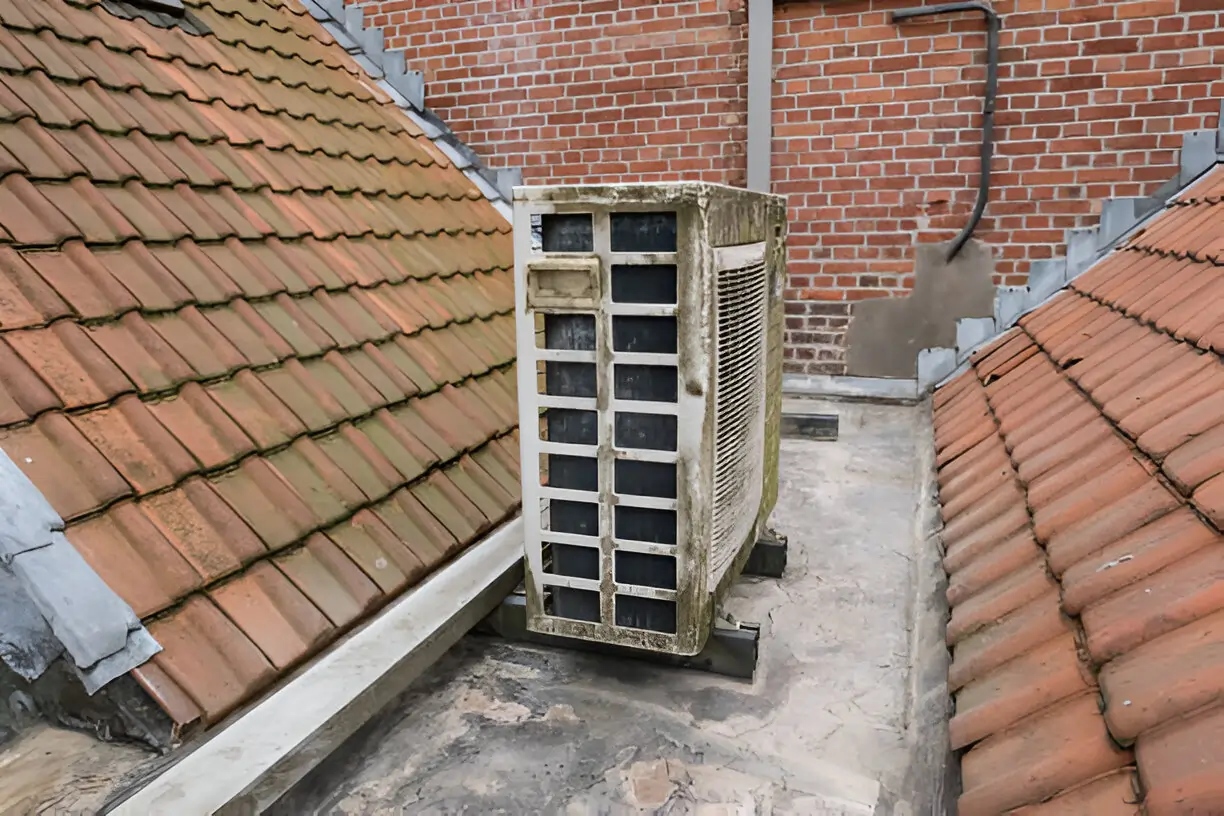
Why Your Roof Plays a Bigger Role Than You Think
Heat pump hot water systems are rapidly becoming the go-to solution for energy-efficient homes in New Zealand. Known for using ambient air to heat water, these systems are designed to save power and reduce emissions. But what many homeowners don’t realise is that your roof condition can significantly affect how well your heat pump water heater performs.
Whether you already have the best heat pump hot water system NZ offers or you’re planning to upgrade, ignoring your roof could be costing you in lost efficiency and higher energy bills.
Understanding Heat Pump Hot Water Systems
What is a Heat Pump Hot Water System?
A heat pump water heater works similarly to a refrigerator—but in reverse. It pulls heat from the surrounding air and uses it to warm your water, storing it in an insulated tank.
This technology uses up to 70% less electricity than conventional electric water heaters, making it one of the most efficient ways to provide hot water in residential properties.
Why It’s Popular in NZ
- Lower energy costs year-round
- Works well in moderate climates like Hamilton
- Can be powered by solar or connected to off-peak power
- Government rebates or incentives may apply in certain areas
Choosing the best heat pump hot water system NZ can offer means selecting a model that suits your household size, energy needs, and home layout. But performance isn’t just about the unit—it’s also about your home’s structure, especially the roof.
How Roof Condition Impacts Heat Pump Efficiency
1. Temperature Control
Heat pumps operate most efficiently when the surrounding air is warm and dry. A well-insulated roof helps retain indoor warmth and keeps the heat pump’s environment within an optimal temperature range. In contrast, a deteriorated or poorly insulated roof allows heat to escape, which can lower the temperature around the unit—making it work harder and reducing its efficiency.
Maintaining a stable indoor temperature starts with a sealed and insulated roof.
2. Ventilation & Airflow
If your heat pump unit is installed in a ceiling cavity or attic space, proper ventilation is essential. Blocked vents, damp insulation, or mould build-up due to roof leaks can restrict airflow, causing the heat pump to struggle.
Good airflow means your unit draws in enough warm air to function efficiently, and this depends heavily on regular roof maintenance in Hamilton.
3. Moisture & Roof Leaks
Leaky roofs can lead to excess moisture in the roof cavity or around the installation area. This not only cools the ambient air but can also damage electrical parts of your heat pump, corrode fittings, or cause mould growth. Moist air is less efficient for heat extraction and can significantly reduce the system’s output.
4. Solar Compatibility
If you have a hybrid system or plan to install solar panels alongside your heat pump, roof condition is critical. A damaged or sagging roof may not be able to support solar installations safely, and poor orientation or debris can reduce solar efficiency.
Investing in roof maintenance in Hamilton ensures your roof is safe, solid, and positioned to support solar-enhanced hot water systems.
Signs Your Roof Is Reducing Heat Pump Performance
It’s not always obvious when your roof is impacting your hot water system. Here are some telltale signs:
- Hot water takes longer to heat or runs out quickly
- Heat pump cycles on and off more frequently
- Your energy bills are increasing despite using an efficient system
- Visible leaks, sagging, or dark patches on ceilings
- Cold indoor temperatures or draughts during winter
If you notice any of these, it may be time to assess both your roof and your hot water system.
Importance of Roof Maintenance in Hamilton
Hamilton’s weather—mild winters, seasonal rain, and high humidity—puts your roof under constant stress. Over time, tiles loosen, flashing corrodes, gutters clog, and moisture seeps into insulation. All of these factors reduce your roof’s ability to support efficient heating.
Key Benefits of Regular Roof Maintenance:
- Improves Heat Pump Efficiency
A dry, warm roof cavity improves performance and reduces workload on your system. - Prevents Costly Repairs
Small issues like broken tiles or blocked vents can lead to major water damage and affect your heat pump unit. - Extends Roof & Appliance Lifespan
Keeping your roof in good shape helps protect your appliances and avoids premature wear. - Increases Property Value
A well-maintained roof and modern hot water system are appealing features for buyers.
Professional roof maintenance in Hamilton can help identify structural issues early and prevent bigger problems down the line.
Tips for Combining Roof Care with Heat Pump Efficiency
Here’s how to make sure your heat pump water system works efficiently, supported by a healthy roof:
- ✅ Inspect your roof at least once a year—especially after storms
- ✅ Clear gutters to prevent moisture buildup near roof edges
- ✅ Replace broken tiles or iron sheets promptly
- ✅ Upgrade roof insulation for better temperature regulation
- ✅ Ensure ventilation is clear and working
- ✅ Schedule roof inspections before installing solar-compatible heat pump systems
Professional Installation and Inspection Matters
Just as you would hire an expert to install the best heat pump hot water system NZ, your roof also deserves professional care. Licensed roofers and plumbers can:
- Coordinate system installation and roof assessment
- Ensure correct placement and ventilation
- Identify risks like moisture or structural weakness
- Provide a maintenance schedule that keeps both systems efficient
When your plumbing and roofing professionals work together, you get the best long-term results.
Summary: What’s Overhead Can Lower Efficiency
When it comes to getting the best performance out of your heat pump hot water system, your roof matters more than you might think. A well-maintained roof keeps temperatures stable, protects against moisture, supports ventilation, and can even accommodate solar panels.
Pairing the best heat pump hot water system NZ residents rely on with regular roof maintenance in Hamilton ensures lower energy bills, better water heating performance, and fewer costly surprises.
If you’re upgrading your hot water system, don’t stop at the appliance. Look up—your roof could be the key to unlocking true efficiency.
Read more: Legal Pitfalls And Protections In Massachusetts Car Repossession Cases – Dimensions Script
How an Education Marketing Agency Can Supercharge Your Enrollment Strategy
The Hidden Costs of Jail Time—and How Bail Bonds Can Help

