


You might be watching your child brush, wondering if it is actually doing anything for those tiny back teeth, or maybe you have already sat through a few fillings and thought, “There has to be a better way, like dental implants in La Verne.” It can feel frustrating and a little defeating when you are doing your best, yet cavities still seem to sneak in.end
That worry is very common. Parents often feel torn between not wanting to over-treat their child’s teeth and not wanting to wait until there is pain or a big problem. Because of this tension, you might wonder where dental sealants fit in, and how to know if your child is one of the kids who might benefit from them early.
In simple terms, dental sealants are thin, protective coatings placed on the chewing surfaces of back teeth to help prevent cavities. They do not replace brushing or flossing. They support them. This guide walks through three early warning signs that your child may need sealants, explains the tradeoffs in plain language, and gives you clear next steps so you can feel more confident about what to do next.
Why do kids get cavities even when they brush “well”?
Here is the hard truth many parents discover. You can be diligent about brushing and still see cavities form, especially in those deep grooves of the molars. Back teeth have tiny pits and fissures that trap food and bacteria. Even with good technique, those areas can be hard for small hands to clean.
That is where sealants come in. According to the Centers for Disease Control and Prevention, sealants can greatly reduce the risk of cavities in children’s permanent molars. They act like a shield over the most cavity-prone areas. The challenge is knowing when to say “yes” and when to simply keep watching.
So, what should you be looking for in your child’s mouth and daily habits that might suggest it is time to talk with a family dentist about early signs your child might need dental sealants?
Indicator 1: Your child already has a history of cavities in baby or early adult teeth
If your child has had one or more cavities, especially in the back teeth, that is a strong hint that those teeth are vulnerable. Cavities are not just bad luck. They are often a pattern. The same combination of tooth shape, bacteria, diet, and brushing habits that caused the first cavity can easily set up the next one.
Imagine your child had a filling in a baby molar at age 6. Now the first permanent molars are coming in around age 6 or 7. Those new teeth will live in your child’s mouth for decades. If the environment in the mouth has already led to decay once, it makes sense to consider extra protection before the next problem appears.
Parents sometimes worry that sealants are “too much” if there is no current cavity. The risk is waiting until decay starts, then needing a filling, then possibly more treatment later. Sealants are preventive. They are meant to step in before that cycle begins.
Indicator 2: Deep grooves and “sticky” spots on back teeth
Not all teeth are shaped the same. Some kids are born with back teeth that have very deep, narrow grooves. These grooves can be so tight that even a toothbrush bristle struggles to reach the bottom. Food and plaque stay trapped, and over time, acid from bacteria starts to weaken the enamel.
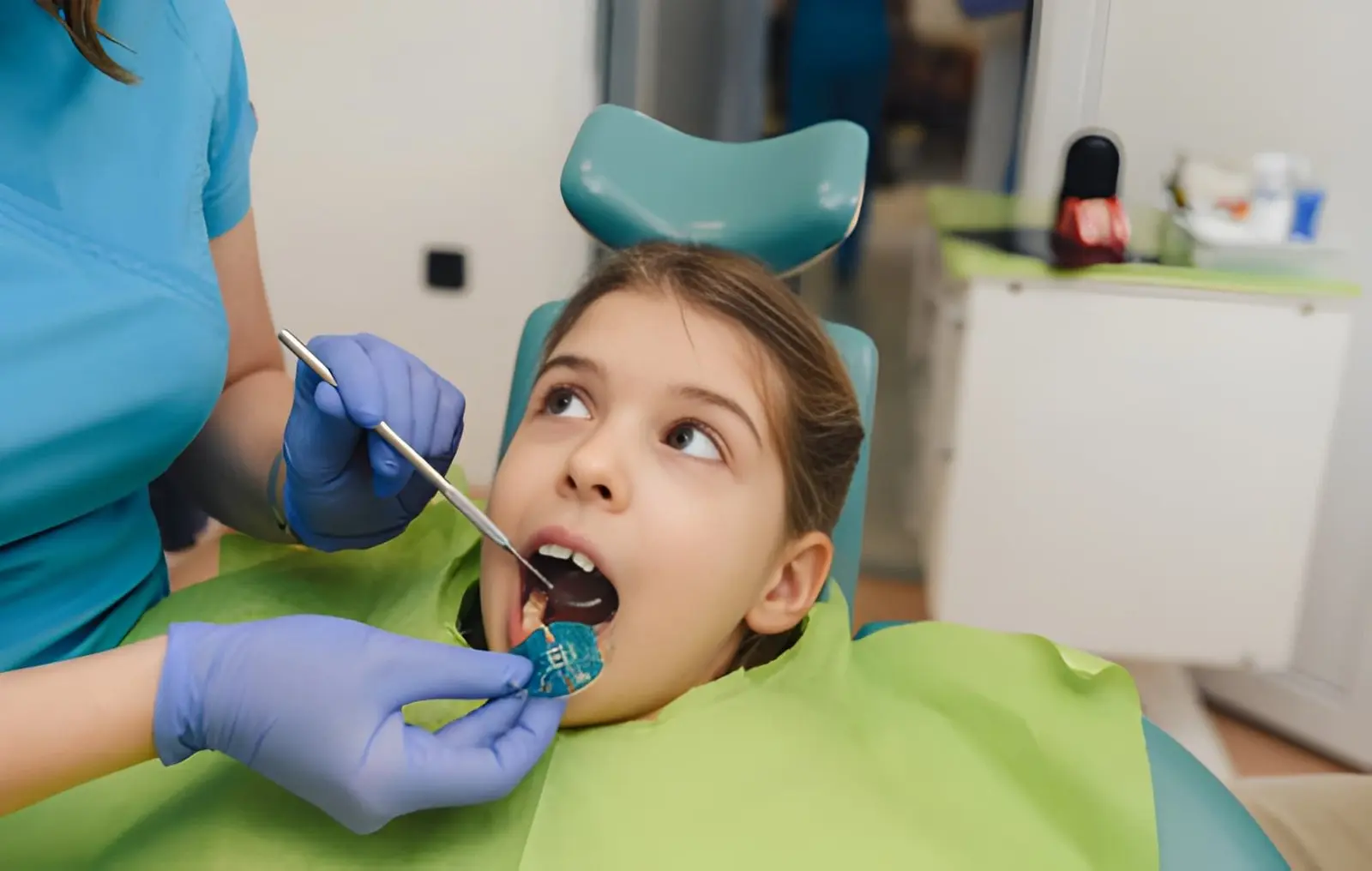
Dentists sometimes describe certain grooves as “sticky” when they gently check the tooth with an instrument. This does not always mean there is a full cavity yet. It can mean the area is at high risk. These are often the perfect spots for sealants, because they cover the grooves and make the surfaces smoother and easier to clean.
If you notice that your child’s molars look very “craggy” or your dentist has mentioned “deep pits” or “fissures,” that is a clue. It can be worth asking directly whether those teeth would be good candidates for protective dental coatings for kids.
Indicator 3: Ongoing brushing struggles or a high-sugar snack routine
Even the most patient parent knows that brushing battles are real. Maybe your child rushes through brushing. Maybe they still need your help but fight it. Or perhaps they sip on juice, sports drinks, or snack frequently during the day. All of this adds up.
Every time your child eats or drinks something sugary or starchy, bacteria in the mouth create acids that attack the teeth. If brushing is inconsistent or quick, those acids have more time to work. This does not mean you are doing something wrong. It just means your child’s daily routine might be raising the risk of decay.
Sealants are not a free pass to skip brushing, and they do not cancel out a high-sugar diet. They can, however, lower the chance that every small slip in routine turns into a cavity in those back chewing surfaces. For many families, sealants are one part of a bigger plan that includes better brushing, smarter snacks, and regular checkups with a trusted family dentist.
How do benefits and risks of dental sealants compare in real life?
It can help to see the tradeoffs in one place. Here is a simple comparison of choosing sealants for an at-risk child versus waiting and watching.
| Choice | What It Means | Potential Benefits | Possible Downsides |
|---|---|---|---|
| Get sealants on at-risk molars | Thin protective coating placed on chewing surfaces of back teeth | Can lower cavity risk in sealed teeth. Often quick and painless for kids. May reduce need for fillings and shots later. | Upfront cost, though many plans help cover it. Sealants can wear or chip and may need repair. Very rare chance of sensitivity or dislike of texture. |
| Wait and monitor without sealants | Regular checkups, fluoride, and home care only | No extra procedure for your child right now. No cost for sealants in the short term. | Higher chance of cavities in deep grooves. Possible fillings or more advanced treatment later. More time off work and school for problem visits. |
Research from sources like the National Institute of Dental and Craniofacial Research has shown that sealants are an effective way to prevent decay in the chewing surfaces of children’s molars. Still, the choice should match your child’s actual risk, your comfort level, and your dentist’s guidance.
What can you do right now if you are unsure about sealants?
Feeling uncertain is normal. You are trying to protect your child without overdoing it. Here are three concrete steps that can help you move from worry to a clearer plan.
- Ask your family dentist for a “risk picture,” not just a yes or no
At your child’s next visit, ask the dentist to walk you through your child’s cavity risk. You can ask questions like:
- “How would you rate my child’s cavity risk right now and why?”
- “Do their molars have deep grooves that are hard to clean?”
- “Based on their history and habits, would you recommend sealants now or waiting?”
A good family dentist will explain what they see on the teeth, in X-rays, and in your child’s history. You are not asking for a sales pitch. You are asking for a clear picture so you can make an informed choice.
- Tighten up a simple home routine that your child can actually follow
Even if you choose sealants, home care still matters. Aim for:
- Brushing twice a day with fluoride toothpaste. You can help or supervise until about age 8 to 10.
- Limiting constant snacking or sipping sugary drinks. Save them for mealtimes when possible.
- Using small rewards like stickers or extra story time to encourage consistent brushing.
Small, steady changes often do more than big, short-term pushes. Sealants work best when they are part of an overall plan to support your child’s mouth, not a stand-alone fix.
- Learn what a sealant visit actually looks like
Fear of the unknown can make any procedure feel bigger than it is. Ask the dentist or hygienist to walk you and your child through each step. Usually, the tooth is cleaned, dried, and then the sealant material is painted on and cured with a special light. No drilling. No numbing. Most kids handle it very well.
You can also review information from trusted sources like the American Dental Association on dental sealants so you feel grounded in facts, not just opinions.
Moving forward with more confidence about your child’s teeth
You care about your child’s smile, and you are doing more than you realize simply by asking questions and paying attention. Whether you choose sealants now, later, or not at all, you deserve clear information and a dentist who respects your concerns.
The three early indicators to watch for are past cavities, deep or “sticky” grooves in back teeth, and ongoing brushing or snacking challenges. If any of these sound familiar, it is worth a thoughtful conversation with your family dentist about sealants for children’s teeth as part of your overall plan.
You do not have to figure this out alone. Bring your questions, your worries, and your goals for your child’s health to a trusted dental professional. Together, you can choose the path that feels right for your child, your budget, and your peace of mind.
Also Read
- How Preventive Health Education Helps Patients Make Better Everyday Decisions
- SLA Technology for Ultra Fine Resin Model Development
- Preventive Dental Care: Your Path to Lifelong Oral Health

