


Understanding the Basics: Wills and Trusts Defined
Planning your estate is one of the most important steps you can take to secure your family’s future. Knowing how wills and trusts work is critical to making informed decisions for your loved ones’ future. A will, typically a straightforward legal document, instructs how your assets should be divided upon your death and can appoint guardians for minor children. On the other hand, a trust is a more versatile legal entity that sometimes allows you to transfer, hold, and manage assets for beneficiaries. At the same time, you are still alive and after your passing. To learn more about personalized estate planning solutions, visit lisa-law.com for professional guidance tailored to your family’s needs.
Both instruments aim to distribute your property. However, they differ significantly in structure and function. Knowing these differences will help you make a choice that best fits the unique circumstances of your estate and family.
Key Differences Between Wills and Trusts
Wills and trusts can overlap in function, but there are crucial distinctions between the two:
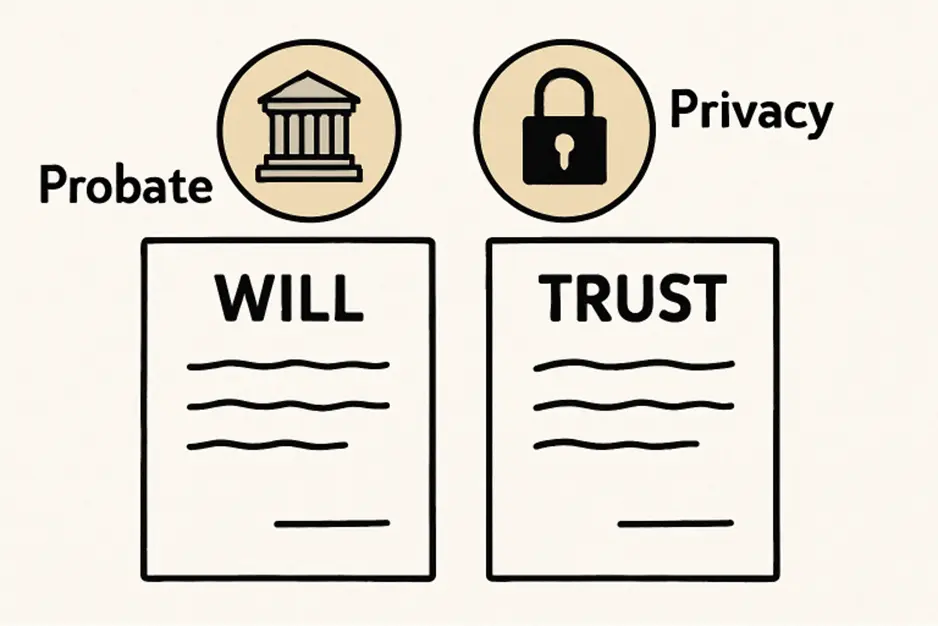
- Probate Process:A will must be validated by a court through probate, which can be slow and is a matter of public record. By contrast, assets held by most types of trusts do not have to undergo probate, resulting in a faster, more private process.
- Privacy:Because probate is a court process, wills are generally open to public scrutiny. Trusts, however, keep your estate details and beneficiary identities confidential.
- Planning for Incapacity:Trusts can help manage your assets if you become incapacitated. Wills only become active after death and offer no such protections for incapacity.
Advantages of Establishing a Trust
Trusts offer multiple key benefits for families considering long-term planning:
- Probate Avoidance:By transferring most assets into a trust, your beneficiaries can generally avoid probate, saving time and reducing stress during a difficult period.
- Privacy:Details of your estate remain between you, the trustee, and beneficiaries, rather than becoming court records.
- Incapacity Management:A trust allows you to select a trustee to manage your assets if you are unable to do so, ensuring your finances are in trusted hands.
- Conditional Distribution:You can direct how and when your assets are distributed, such as requiring your children to reach a certain age before inheriting.
In some cases, you may also want to consult comprehensive resources from organizations like the Kiplinger estate planning guide for more detailed advice on what to consider when establishing these structures.
When a Will Might Be Sufficient
Not every estate requires the complexity and cost of a trust. There are scenarios when a will adequately protects your legacy:
- Simple Estates:If your estate is small or if asset distribution among heirs is uncomplicated, a will is often sufficient.
- Guardianship Appointments:Only a will legally enables you to name guardians for minor children, safeguarding their future care.
- Affordability:Wills are generally much less expensive and faster to draft than trusts, making them suitable when budgets are limited.
Combining Wills and Trusts for Comprehensive Planning
For many families, the optimal estate plan blends both wills and trusts. One common approach is to use a “pour-over will,” which ensures any assets left outside your trust during your lifetime are transferred into the trust at your death. This makes your trust the focal point of asset management while still covering basics, such as guardianship arrangements that can only be handled through a will.
Special Considerations for Blended Families
Blended families bring unique estate planning challenges. For example, you may have children from a previous relationship and want to ensure both your new spouse and your children are provided for. A trust can structure distributions, ensuring fair treatment and avoiding accidental disinheritance. For instance, you can grant your spouse the right to remain in the family home until their death, at which point the property passes to your children. This careful planning helps minimize family disputes and legal battles.
Tax Implications and Asset Protection
Trusts, especially irrevocable trusts, can help minimize estate taxes and protect assets from creditors. When you place assets in an irrevocable trust, these assets are generally excluded from your taxable estate and are safeguarded from most claims. However, this strategy requires relinquishing direct control over those assets. If you are focused on asset protection or tax reduction, it is vital to work with a professional familiar with changing tax laws. For additional context on the tax rules involved, you may find guidance from the Kiplinger estate and inheritance tax guide highly informative.
Regular Review and Updating of Estate Plans
Estate planning should be seen as an ongoing commitment. Significant life events such as marriage, divorce, the birth of children, or substantial changes in financial circumstances make it essential to revisit your plan. Reviewing your documents regularly ensures that your wishes are accurately reflected and that all legal requirements are met.
Conclusion
Choosing between a will and a trust largely depends on your estate size, privacy needs, and family situation. Each family has its own set of priorities and concerns. Working with an estate planning attorney is the most reliable way to secure your family’s future and ensure that your final wishes are fulfilled in a clear and legally enforceable manner.
Also Read
- How Safer Roads and Smart Tech Are Changing the Car Accident Landscape
- How Small Businesses Can Use AI Against E-commerce Giants
- Exploring Life: Living Organisms and Their Environment in Human Biosciences

