


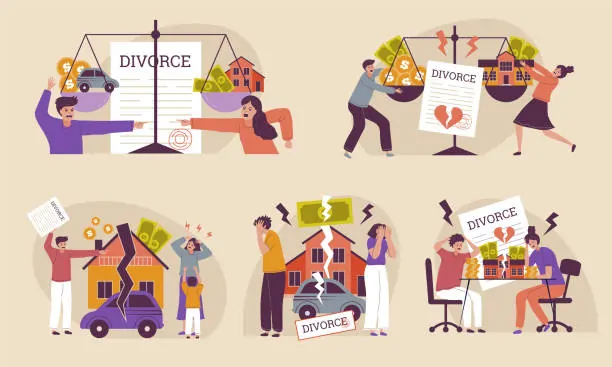
Understanding Annulments
An annulment is a legal process that declares a marriage null and void, treating the union as if it never occurred under the law. Unlike a divorce, which dissolves a valid marriage, an annulment states that a legal marriage never took place. This distinction is significant for anyone considering ending their marriage, and consulting an annulment attorney in NJ can help clarify what options may be available based on your unique circumstances.
Eligibility for an annulment depends on specific grounds that are recognized by state law. These may include:
- Fraud or misrepresentation: When one spouse has lied about something fundamentally important to the marriage, such as their identity or ability to have children.
- Bigamy: If one spouse was already legally married to someone else at the time of the marriage.
- Incapacity: If either party was not of sound mind or was under the legal age to consent at the time of the marriage.
Simply regretting a marriage or seeking a quick separation does not qualify as a valid ground for annulment. In fact, many people mistakenly believe annulments are just for short marriages, which is not the case. Religious views on annulments also play a role for many people, as some religious institutions will only recognize a marriage as ended if it has been annulled, not divorced.
Understanding Divorce
A divorce is the formal legal dissolution of a valid marriage. Unlike an annulment, a divorce does not challenge the legality of the marriage at its inception. Instead, it acknowledges that a valid marriage existed and now legally ends that relationship. There are two broad categories for divorce:
- No-fault divorce: Neither spouse is blamed for the breakdown of the marriage. Most states allow couples to file for divorce on the grounds of irreconcilable differences or an irreparable breakdown of the relationship.
- Fault-based divorce: Occurs when one spouse’s actions, such as adultery, abandonment, or abuse, are cited as the reason for the split.
Divorce proceedings generally address the division of marital assets and debts, determination of spousal support (alimony), and, if children are involved, arrangements for child custody and visitation. These legal matters can be complex and fact-specific, making legal advice especially important.
Legal and Financial Implications
Both annulments and divorces can have significant legal and financial consequences. In cases of annulment, the law treats the marriage as if it never happened, which can affect matters like property rights and prenuptial agreements. However, courts may still resolve issues like child custody and child support. In a divorce, marital assets and liabilities are generally divided according to state law, and alimony may be considered depending on the circumstances.
Common Myths About Annulments and Divorces
Some widely held misconceptions can create confusion between annulments and divorces:
- Myth: Annulments are easier to obtain than divorces.
- Fact: Annulments are not typically easier to obtain. They require specific legal grounds to be proven, often making them more difficult than a straightforward no-fault divorce.
- Myth: An annulment cancels all legal obligations between spouses.
- Fact: An annulment voids the marriage itself, but legal responsibilities such as child custody and support may still arise.
- Myth: Annulments are only granted for very short marriages.
- Fact: The duration of the marriage is generally less important than the actual grounds for annulment.
Religious and Social Considerations
Religious backgrounds and personal beliefs often influence whether someone chooses to seek an annulment or divorce. Certain religions recognize annulment but not divorce, or may place less stigma on one or the other. Socially, some individuals view annulments as preferable because they imply the marriage was never legitimate to begin with.
It is important to factor in both personal convictions and legal advice before making this deeply personal decision. For perspectives on how these legal processes might influence child custody arrangements or future remarriage, authoritative sources provide helpful commentary and practical tips.
Conclusion
Making the decision between annulment and divorce depends on the specific circumstances of your marriage and your legal and personal needs. Both outcomes legally end a marriage, but they do so in different ways with distinct implications for your future. To pursue the option that makes the best sense in your situation, seek out professional legal counsel to ensure that your rights and interests are protected throughout the process.
Read more: When To Hire A Las Vegas Car Accident Lawyer After A Crash – Dimensions Script
How CPAs Help Navigate The Challenges Of Inflation – Dimensions Script
Why Certified Public Accountants Are Indispensable For Audits – Dimensions Script

