


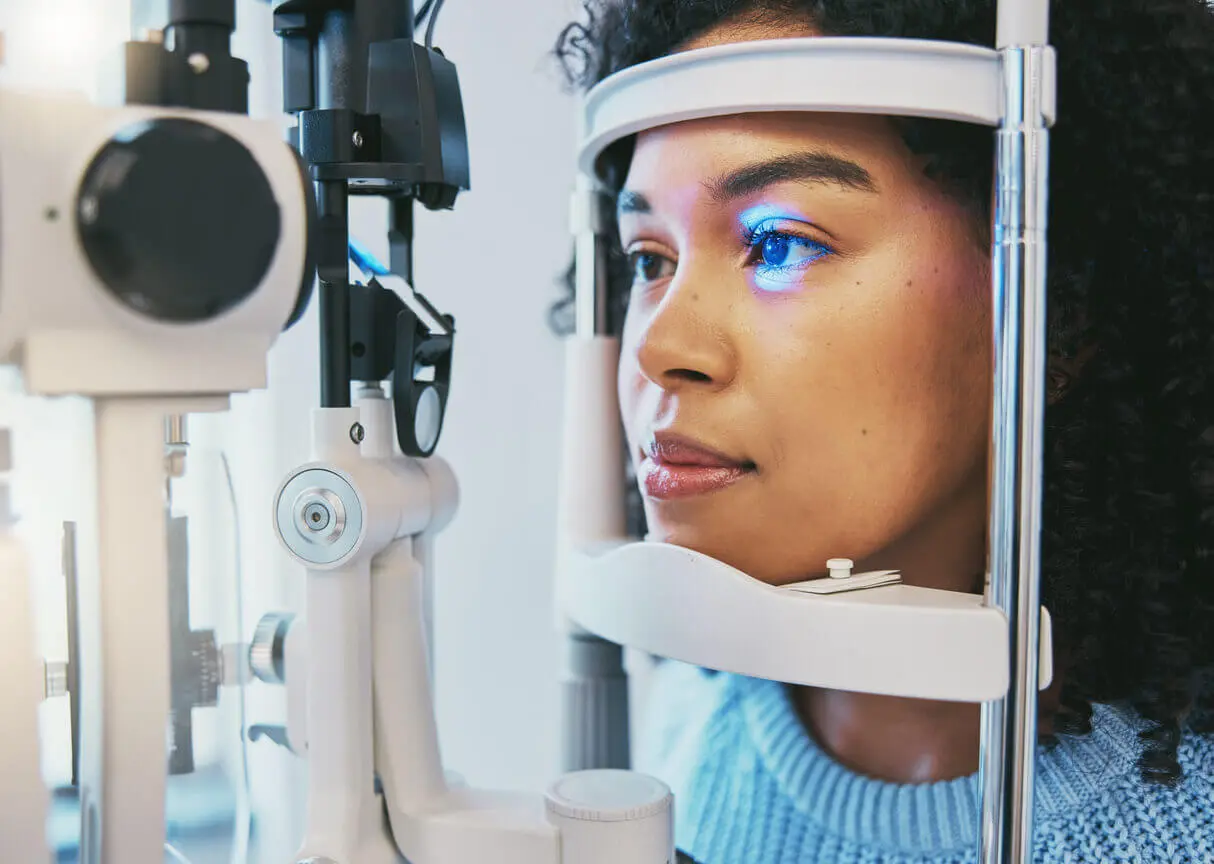
You might have noticed your vision changing a bit. Maybe the screen looks a little fuzzy at the end of the day, or you need to hold your phone a bit farther away than you used to. You tell yourself it is just age, or just fatigue, and you keep going. Life is busy, and an eye exam can feel like one more appointment you do not have time for, even if you have been thinking about glaucoma treatment in Austin, TX.
Then there is the worry in the back of your mind. You might wonder if you are missing something serious. You may have a family history of diabetes, glaucoma, or macular degeneration, or perhaps you have started getting more headaches and you are not sure why. You do not feel “sick,” yet you are not fully at ease either.
This is where an eye doctor quietly becomes one of the most important partners in your preventive healthcare. Regular eye exams do much more than update your glasses. They can catch eye diseases early, reveal signs of conditions like high blood pressure and diabetes, and protect your ability to work, drive, read, and enjoy the people and activities you love.
So the short version is this. Eye care is not just about seeing clearly today. It is about protecting your long term health and independence. And the earlier you build a relationship with an eye doctor, the more options you have if something changes.
Why do regular eye exams matter even if your vision “seems fine”?
It is very common to put off eye exams because nothing feels urgent. If you can still read, drive, and recognize faces, you may assume your eyes are healthy. The trouble is that many serious eye problems start quietly. They do not hurt. They do not blur your vision at first. They just progress in the background.
Conditions like glaucoma, diabetic eye disease, and age related macular degeneration often begin with no obvious symptoms. By the time you notice that something is wrong, damage may already be difficult or impossible to reverse. That is why organizations like the CDC stress how important routine eye exams are for early detection and treatment of eye disease. You can read more about that in their guidance on why regular eye exams are important.
So where does that leave you if you feel mostly okay, but not completely sure everything is fine? It leaves you in a very human place. You are trying to balance time, money, and worry. You do not want to overreact, yet you do not want to be caught off guard by something you could have addressed sooner.
What happens when eye problems are ignored too long?
Think about a “what if” scenario. Someone starts noticing glare when driving at night. Headlights feel harsher than before, and road signs take a little longer to read. They chalk it up to getting older. They avoid night driving, adjust their schedule, and carry on.
Over a few years, the glare worsens. Colors seem duller. They finally see an eye doctor and learn they have advanced cataracts that could have been monitored and managed more comfortably if caught earlier. Their world has quietly narrowed, not just visually, but socially and emotionally, all because they adapted instead of getting checked.
Or consider a person with early glaucoma. The pressure in the eye is slowly damaging the optic nerve. There is no pain. Central vision is still clear. The first symptoms might be subtle gaps in side vision, which the brain is very good at “filling in.” By the time they notice, a significant amount of vision may be gone, and glaucoma damage cannot be reversed. It can only be slowed.
There is also the financial side. Catching a problem early often means simpler treatments, fewer medications, and fewer urgent visits. Waiting until you cannot ignore it may mean emergency care, surgery, or long term disability that affects your ability to work and earn.
Because of this tension, you might wonder if you are doing enough to protect your eyes and your health. You are not alone in that question. Public health goals now specifically focus on increasing the number of adults who get regular eye exams, as seen in the Healthy People initiative to increase eye exams in the last two years. That is how important preventive eye care has become.
How does an eye doctor support your overall health, not just your vision?
When you think of an eye exam, you might picture reading letters on a chart and choosing between “one or two” in the lens choices. That is only a small part of what is happening. A modern eye exam is one of the few times a doctor can look directly at blood vessels and nerves in your body without surgery or imaging machines.
Through this window, an eye doctor can sometimes spot early signs of:
- Diabetes, through changes in the blood vessels in the retina.
- High blood pressure, visible as narrowed, twisted, or leaking vessels.
- High cholesterol, sometimes seen as deposits in the blood vessels of the eye.
- Autoimmune conditions or infections that affect the eye.
- Neurological issues that may show up in the optic nerve or visual field.
So while you may walk in asking about blurry vision or new floaters, you may walk out with important information about your general health. Your eye doctor can coordinate with your primary care physician, which means your eyes can act as an early warning system rather than a late alarm.
All of this is part of why preventive eye care is not a luxury. It is a practical way to protect your health, your safety on the road, your ability to work, and your confidence in everyday life.
How do the risks of waiting compare to the benefits of routine eye care?
It can help to see the tradeoffs in a simple comparison. This is not about fear. It is about giving you a clear picture so you can make thoughtful choices.
| Choice | Short term impact | Long term risks | Long term benefits |
|---|---|---|---|
| Postpone eye exams until you notice a problem | Save time and money now. No immediate disruption to your routine. | Higher chance of late detection of diseases like glaucoma or diabetic eye disease. Greater risk of sudden changes in vision that affect driving, work, and independence. Possible higher treatment costs if problems are advanced. | None that are health related. The benefit is mainly short term convenience. |
| Schedule routine visits with an eye care specialist | Requires setting aside time and some out of pocket cost, depending on insurance. | Mild inconvenience. Possible need for follow up tests if something is found, which can create anxiety in the short term. | Earlier detection of eye and general health conditions. More treatment options if something appears. Greater chance of preserving good vision and independence into older age. Better planning for work, driving, and family responsibilities. |
When you see the comparison this way, routine care starts to look less like an optional extra and more like a smart habit, similar to seeing your dentist or getting your blood pressure checked.
What can you do now to protect your eyes and your peace of mind?
You may be wondering what a realistic next step looks like, especially if you have not seen an eye doctor in years or have had a bad experience in the past. You do not need to overhaul your life. You just need a few clear, manageable actions.
- Schedule a baseline exam, even if you feel “fine”
If it has been more than two years since your last full eye exam, treat a visit as a baseline check. This gives your eye doctor a starting point. Future changes are much easier to interpret when there is a record of what is normal for you.
During this visit, share your medical history, medications, and any family history of eye disease, diabetes, or high blood pressure. Be honest about symptoms, even if they seem small. Occasional flashes of light, new floaters, headaches, or eye strain are all worth mentioning.
- Ask clear questions about your risk and your plan
Many people leave appointments unsure about what was found or what to do next. To avoid that, you can ask your eye doctor simple, direct questions, such as:
- What is my current eye health status, in plain language.
- Do you see any early signs of disease or changes I should watch.
- Given my age and health, how often should I have a full exam.
- What can I do at home to protect my vision, such as managing screen time, lighting, or protective eyewear.
When you ask these questions, you turn a one time visit into an ongoing plan for your eyes and your general health. You also gain a clearer sense of control, which can lower anxiety.
- Make small daily choices that support your eyes
Your eye doctor is one part of the picture. Your daily habits are another. You can support your vision and overall health by:
- Managing chronic conditions like diabetes and high blood pressure, since they directly affect your eyes.
- Taking regular breaks from screens using the “20 20 20” approach. Every 20 minutes, look at something 20 feet away for 20 seconds.
- Wearing sunglasses that block UV light when you are outdoors.
- Using good lighting when reading or working, to reduce strain.
- Avoiding smoking, which increases the risk of cataracts and macular degeneration.
Small habits, repeated over time, work hand in hand with regular care from an eye doctor near you. Together, they can make a real difference in how you see and how you live as you age.
Moving forward with more clarity and less fear
You do not need to wait for a crisis to give your eyes the attention they deserve. It is completely understandable to feel hesitant or unsure. Many people do. Yet each step you take toward regular care with an eye doctor is a step toward more control, more options, and more peace of mind.
Your sight touches almost every part of your day, from reading a text message to recognizing a loved one’s face across a room. Protecting it is one of the most practical, caring things you can do for yourself and the people who rely on you.
If you have been putting off an exam, consider this your quiet nudge to act. Even a single visit can give you clarity about where you stand today and what you can do to stay healthy tomorrow.
Also Read
- How Safer Roads and Smart Tech Are Changing the Car Accident Landscape
- Technology That Actually Helps Healthcare Work Better
- How Exosomes Support Healing After Hair Transplant Procedures

