


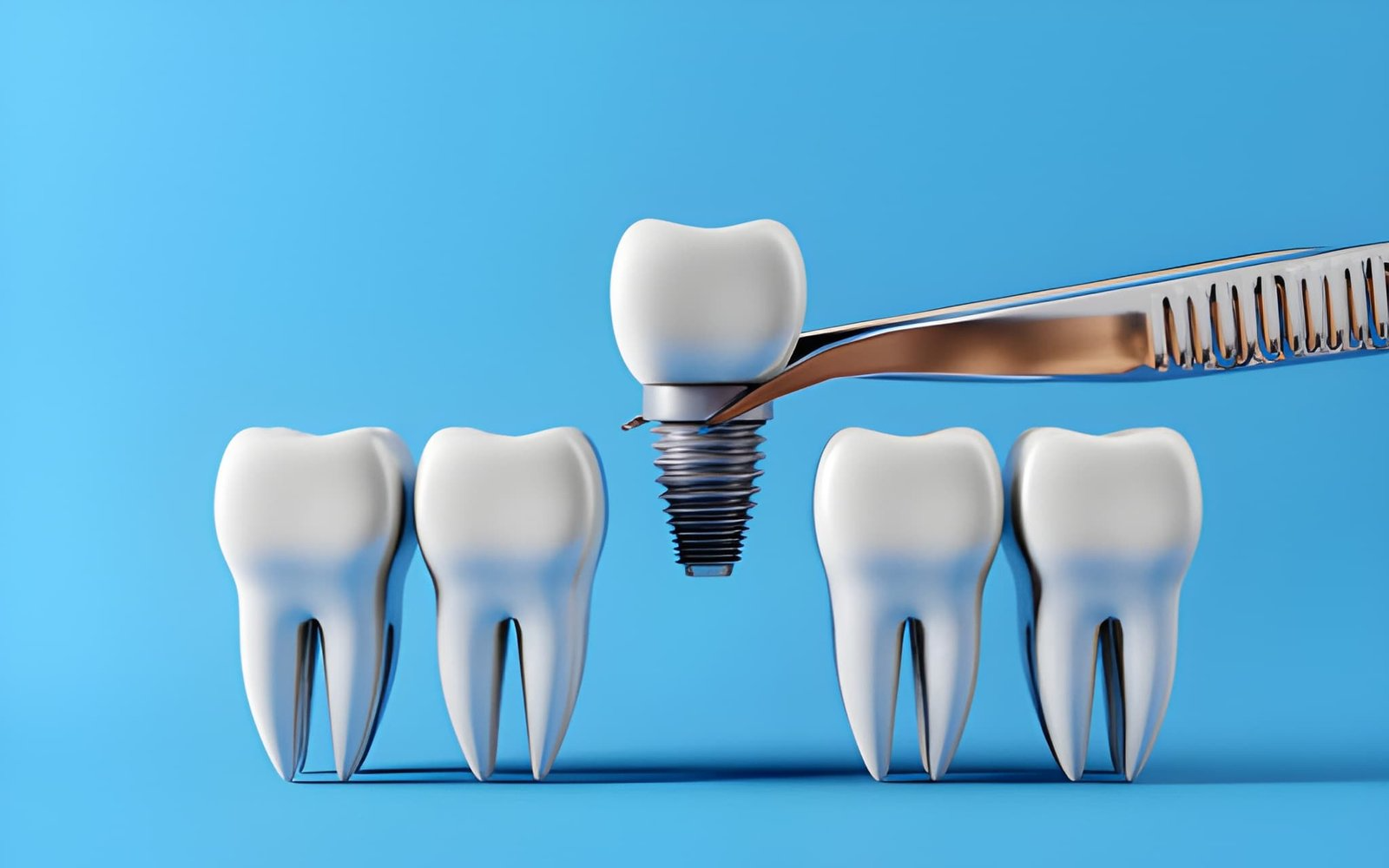
You might be feeling a mix of hope and worry right now. Maybe you lost a tooth and you are tired of hiding your smile in photos. Maybe you already have an implant, and you have started to notice tenderness or bleeding around it, and now you are scared something is wrong. You may even be considering implant supported dentures in King of Prussia, PA as a more stable option. You want a strong, lasting solution, not another dental problem waiting to happen.end
That tension is very real. You hear that dental implants are “just like real teeth,” yet no one really explains what protects them long term or why people keep mentioning periodontists. You may be wondering if you really need a specialist, or if that is just one more appointment and one more bill.
Here is the short version. Dental implants can be an excellent way to replace missing teeth, but they succeed only when the foundation around them is healthy. That foundation is your gums and jawbone. Periodontists are the specialists who protect that foundation, from planning the implant to treating any problems that develop later. When you understand that connection, you can make calmer, smarter choices about your care.
Why do dental implants need more than “good surgery” to succeed?
It is easy to think of an implant as a screw that is simply placed into bone. If the surgeon is skilled, it should work, right. The reality is more complex. Implants live in living tissue. Your bone remodels. Your gums react to plaque and bacteria. Your general health changes over time. All of this affects whether that implant stays solid or starts to fail.
Here is where the stress creeps in. You might ask yourself, “What if I spend all this money and the implant fails.” Or, “What if I already have gum disease. Does that mean I cannot get an implant, or that I will lose it quickly.” Those are fair questions, and they deserve clear answers, not quick reassurances.
Periodontists are dentists who train for several extra years in the health of the gums and bone that support teeth and implants. They focus on conditions like periodontal disease, bone loss, and soft tissue problems. When they plan dental implants with a periodontist, they are not just looking at the gap in your smile. They are looking at the quality and quantity of bone, the health of your gums, your bite, your medical history, and your ability to keep the area clean.
If you want a deeper look at how specialists approach different dental implant procedures, there are good patient resources available from professional periodontal organizations.
What can go wrong with implants if the foundation is not protected?
Imagine building a beautiful house on soft, slowly sinking soil. For the first few years it might look fine. Then cracks appear, doors stop closing well, and repairs become constant. Dental implants are similar. If the “soil” (your bone and gums) is unstable or becomes infected, the structure suffers.
The two big problems around implants are often called peri implant mucositis and peri implantitis. These are inflammatory conditions, similar to gum disease around natural teeth. They usually start quietly. Maybe a little bleeding when you brush. Some puffiness. A bit of tenderness. Over time, if plaque and bacteria are not controlled or if the implant was placed in a compromised area, the bone can start to shrink away from the implant. As the bone disappears, the implant loses support and can eventually fail.
You can read more about these conditions, including warning signs and treatment options, in patient resources on peri implant diseases around dental implants.
Now add the emotional and financial side. An implant is a serious investment. The idea of losing it can feel like losing twice, first the tooth, then the money and time you put into replacing it. People sometimes feel guilty or ashamed, as if they “failed” their implant. In reality, the causes are often a mix of biology, planning, and maintenance, which is exactly why having a periodontist involved can be so protective.
How do periodontists protect the long term success of implants?
Because periodontists focus on the supporting structures, they are involved at several stages of care.
Before placement, they evaluate your gum and bone health in detail. If you have active gum disease, they treat it first, because placing an implant into an infected environment is like putting a new fence post into muddy, rotting soil. If bone is thin or missing, they may recommend grafting to rebuild a stronger base. Their planning often includes advanced imaging and careful discussion of your medical history, medications, and habits like smoking.
During implant placement, they choose the position and angle of the implant with the future crown and your bite in mind. This can reduce stress on the implant and protect the surrounding bone. They also manage the gum tissue around the implant to create a seal that is easier to keep clean and less prone to inflammation.
After placement, periodontists monitor the implant with maintenance visits, similar to how they monitor gum disease around natural teeth. They measure the health of the tissues, check for early changes in bone levels, and adjust your cleaning routine. If early problems appear, they can often treat them before the damage becomes severe.
Modern implant success also depends on the materials used. Research into implant surfaces, bone grafts, and restorative materials is ongoing. Organizations such as the National Institute of Dental and Craniofacial Research support work on safer, longer lasting dental materials for implant procedures. A periodontist stays current with these developments and can explain which options make sense for your particular mouth and health history.
How do the risks and benefits compare when a periodontist is involved?
You might still be wondering how much difference it really makes to involve a specialist. The answer depends on your individual case, but certain patterns are consistent. When gum and bone health are carefully evaluated, treated, and monitored, long term success rates for implant treatment with periodontal care tend to be higher, and complications are often caught earlier.
The table below offers a practical comparison of dental implant care with and without focused periodontal management. It is a general guide, not a substitute for an individual consultation, but it can help you think more clearly about your choices.
| Aspect | Implant Without Periodontal Focus | Implant With Periodontist Involved |
|---|---|---|
| Initial Assessment | Basic X rays, limited gum evaluation | Detailed gum and bone assessment, medical review, targeted imaging |
| Management of Existing Gum Disease | May be postponed or minimized | Treated before implant placement to reduce infection risk |
| Bone Quality and Quantity | Implant sometimes placed in borderline bone | Bone grafting or alternative plans if support is inadequate |
| Design of Gum Tissue Around Implant | Focus on closing the site | Shaping gums to protect the implant and allow easier cleaning |
| Home Care Guidance | General brushing and flossing advice | Specific tools and techniques for cleaning around implants |
| Monitoring Over Time | Implant checked mainly during routine cleanings | Regular periodontal measurements and targeted X rays |
| Response to Early Inflammation | Often noticed later, when symptoms are stronger | Early intervention to control peri implant inflammation |
| Long Term Outlook | Higher chance of hidden bone loss and implant complications | Better chance of stable bone and a longer lasting implant |
What can you do right now to protect your implant future?
So, where does that leave you. Whether you are planning your first implant or already living with several, you are not powerless. There are concrete steps you can take to protect your investment and your peace of mind.
- Get a periodontal evaluation before or after implants
If you have not started treatment yet, schedule a consultation with a periodontist to review your gums, bone, and medical history. Bring any X rays or notes from your general dentist. If you already have implants, ask for an evaluation of the tissues around them. You are simply gathering information about the health of the foundation. That knowledge alone can lower your anxiety, because you will know what is stable and what needs attention.
- Treat gum disease and risk factors, not just the missing tooth
If your gums bleed when you brush, your teeth feel loose, or you have chronic bad breath, those are signs that gum disease may already be active. Addressing this with a periodontist before placing new implants, or while caring for existing ones, reduces the chance of peri implant problems later. Talk honestly about smoking, diabetes, medications such as bisphosphonates, and grinding or clenching. These factors do not automatically rule out implants, but they change the plan and the level of monitoring needed.
- Commit to an implant specific home care and maintenance routine
Implants do not get cavities, but the gums and bone around them can still become inflamed. Use soft toothbrushes, interdental brushes sized correctly for your implant spaces, and, if recommended, special floss or water flossers. Ask your dentist or periodontist to show you exactly how to clean around the posts and under the implant crowns. Schedule regular professional cleanings and checkups that include periodontal measurements. Protecting the foundation is not a one time event. It is a shared, ongoing effort between you and your care team.
Moving forward with more confidence and less fear
You are not wrong to worry about the future of your teeth or your implants. Tooth loss affects how you look, how you eat, and how you feel about yourself. The idea of investing time and money into treatment that might fail is exhausting. Yet when you understand how periodontists protect the gums and bone that support implants, the path ahead becomes clearer.
Dental implants supported by healthy, well managed tissues can restore your smile and your ability to chew with confidence. Periodontists are there to guard the foundation, not to complicate your life. If you have questions or lingering doubts about your own situation, reach out to a qualified periodontist and ask for a thorough evaluation of your gums, bone, and implant options. You deserve care that looks beyond the missing tooth and focuses on the long term health of your whole mouth.
Read more: 4 Ways Bookkeeping Contributes To Better Strategic Planning – Dimensions Script
How Preventive Exams Boost The Success Of Whitening And Veneers
How Technology Is Shaping the Features of Modern Cars

