


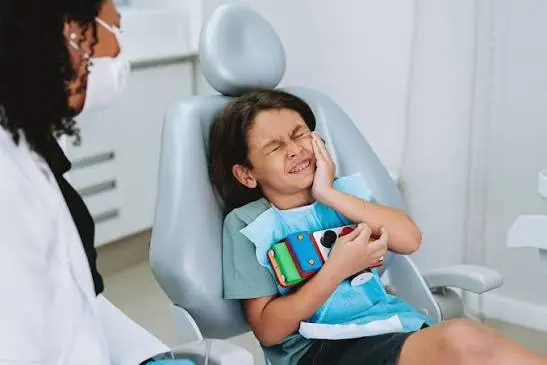
You might be reading this with your heart still racing a bit. Maybe there was a fall at the playground, a collision on the soccer field, or a surprise chipped tooth during a backyard trampoline session that has you urgently looking for a dental office in Jackson Heights, Queens. One moment your child was laughing, and the next there was blood, tears, and that sinking feeling in your stomach that something is wrong.end
When your child has a dental emergency, it does not feel minor. It feels urgent and personal. You may be wondering if you should rush to the ER, call your family dentist, or try to handle it at home. You might also be worried about pain, long term damage, and the cost of getting it fixed.
Here is the reassuring part. A good family dentist is not only there for cleanings and checkups. They are also your partner when life gets messy. Emergency dental care for kids is a core part of what family dentistry quietly handles every day. With the right guidance and a bit of preparation, you can move from panic to a clear plan very quickly.
So, what should you know about how family dentistry supports active kids when accidents happen, and how can you be ready for the next surprise?
Why active kids and dental emergencies often go hand in hand
Active kids run, climb, jump, and test limits. That is how they grow. It is also why chipped teeth, knocked out teeth, and cut lips are so common in childhood. You cannot bubble wrap your child, and you should not have to. Instead, you can understand the patterns and prepare.
Think about a few common scenarios. A toddler learning to walk falls against a coffee table and hits their front teeth. A school age child is riding a bike, takes a sharp turn, and hits the pavement face first. A teenager playing basketball catches an elbow to the mouth. Each scene is different, yet the fear you feel in those first seconds is the same.
Because of that tension between letting kids be kids and wanting to keep them safe, you might wonder where family dentistry fits. Is a family dentist really the first call, or is that what hospitals are for?
When should you call your family dentist instead of the ER?
This is one of the most confusing parts for parents. You want to act fast. You also do not want to spend hours in an emergency room waiting room if there is a better option.
Family dentists handle many urgent problems every week. That includes broken or chipped teeth, knocked out permanent teeth, severe toothaches, lost fillings or crowns, and injuries to the lips, tongue, and gums. Many practices build time into their schedule for same day emergency visits, especially for children.
There are a few clear situations where an ER or urgent care is the right first step. If your child has trouble breathing, heavy bleeding that will not stop, a possible broken jaw, or a head injury along with the dental trauma, go to emergency medical care immediately. Once your child is stable, your dentist can step in to repair the teeth and mouth.
For guidance on what is considered a true dental emergency, the Missouri Department of Health offers a helpful overview of dental emergency preparedness and planning. Reading through this when you are calm can make it easier to act quickly when you are not.
What makes a family dentist such a strong ally in these moments?
A family dentist knows your child, their history, and often their fears. That familiarity matters when your child is already scared and in pain. Because the dentist has seen your child grow, they know which teeth are baby teeth, which are permanent, and how an injury might affect long term development.
Family dentistry also tends to focus on calm, predictable visits. That same gentle approach carries over in an emergency. The team can talk your child through what is happening, use numbing and comfort techniques they already know work, and involve you in each decision.
On a more practical level, a family dental practice is usually set up to move quickly. They have X rays on site, materials to stabilize or repair teeth, and clear protocols for injuries. For example, if a permanent tooth is knocked out, they know that time is critical. They will likely tell you to gently rinse the tooth, place it in milk or your child’s saliva, and get to the office as fast as possible. Practices that see children every day understand these details and respond accordingly.
How does family dentistry support you before, during, and after an emergency?
Support does not start at the moment of impact. It starts long before, through education and planning. Many dentists talk with parents about sports mouthguards, safe play habits, and what to keep in a small dental first aid kit at home or in the car.
When an emergency actually happens, your dentist can guide you by phone first. They might ask you to describe the injury, send a photo, or help you stop bleeding and manage pain before you come in. Resources like this overview of dental emergencies in children can help you recognize what is urgent.
After the immediate crisis is handled, family dentistry also supports healing. This can include follow up visits to monitor the tooth, adjust repairs, or check for signs of infection. It may also include gentle conversations with your child to lower their anxiety about future visits, especially if the emergency was scary.
DIY care, calling your dentist, or heading to the ER: how do they compare?
In the blur of an accident, it is easy to default to whatever is closest. Yet each option has strengths and limits. Seeing these side by side can help you decide faster when every minute feels long.
| Response Option | Best For | Pros | Risks / Limits |
|---|---|---|---|
| DIY home care only | Minor lip or cheek bites, very small chips, mild discomfort | Immediate, no cost, can calm child quickly | Can miss hidden damage, pain may return or worsen, may delay needed treatment |
| Call your family dentist | Chipped or broken teeth, knocked out teeth, toothaches, moderate injuries to mouth | Specialized dental care, knowledge of child’s history, targeted treatment, long term planning | Office hours may limit timing, may still need ER if there is a serious head or jaw injury |
| Go to ER or urgent care | Heavy bleeding, breathing issues, suspected broken jaw, head injury plus dental trauma | Life saving support, imaging for broader injuries, pain control | Often not set up for detailed dental repairs, higher cost, longer waits, will still need dental follow up |
For quick reference on common injuries like knocked out or broken teeth, the Head Start program shares clear tips on treating oral injuries in children. Having this bookmarked can help when you feel too stressed to remember details.
What can you do right now to be ready for the next surprise?
You cannot stop every fall or bump. You can, however, turn a future emergency into something you feel prepared to handle. A strong family dentist relationship is at the center of that preparation.
- Create a simple dental emergency plan
Write down your family dentist’s name, office number, and after hours instructions. Post it on the fridge and save it in your phone. Decide in advance which situations mean “call the dentist first” and which mean “go straight to the ER.” Talk this through with anyone who cares for your child, including grandparents, babysitters, and coaches.
Include a small dental first aid kit in your home and car. This might have clean gauze, a small container with a lid for a tooth, saline or clean water for gentle rinsing, and over the counter pain relief approved by your pediatrician.
- Talk with your family dentist before an emergency happens
At your child’s next checkup, ask specific questions. How does the office handle emergencies for kids. What hours are covered. What should you do if a tooth is knocked out or broken. Are there special instructions if your child has braces or other dental work.
This conversation not only gives you clear guidance. It also builds trust, so that when you are calling in a panic, you already know the voice on the other end of the line and what kind of support to expect.
- Protect active kids where you can, without limiting their play
Some injuries are truly accidents. Others can be reduced with small changes. Ask your dentist about custom or store bought mouthguards for sports. Check your home for sharp table corners near areas where your child often plays or runs. Remind your child not to run with objects in their mouth, like pencils or straws.
You do not need to create fear. A calm, matter of fact conversation about “how we keep our teeth safe so you can keep having fun” is often enough. Your dentist can reinforce these messages during visits, which helps them sink in.
Moving from fear to confidence with family dentistry on your side
Dental emergencies with kids are scary. There is blood, there are tears, and there is that flash of worry about what this might mean for your child’s smile and comfort. You are not overreacting when your heart jumps. You are simply a caring parent trying to make the best decision with little time and a lot of emotion.
The good news is that you do not have to figure this out alone. With family dental care for emergencies as part of your support system, you have a clear place to turn when something goes wrong. A trusted family dentist can guide you through those first chaotic minutes, provide focused care, and help protect your child’s teeth for years to come.
You cannot prevent every fall or every stray elbow in a game, yet you can be ready. Save your dentist’s number, build a small plan, and have a brief conversation at your next visit. When the unexpected happens, you will not just react. You will respond, with calm, informed steps that help your child feel safe and cared for.
Also Read-How Technology Is Shaping the Features of Modern Cars

