


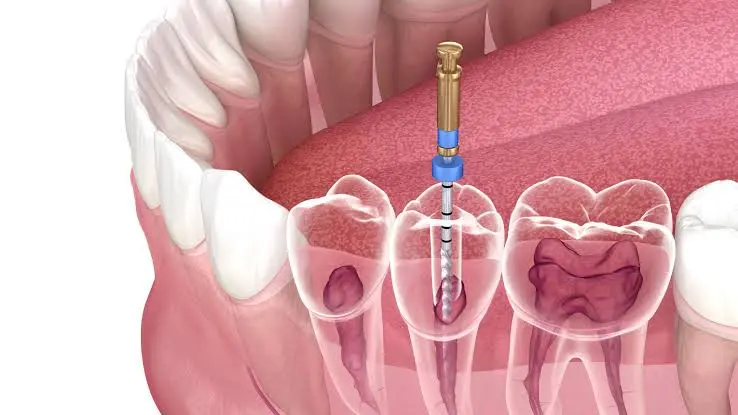
A root canal is a procedure used to treat infection inside a tooth while preserving its natural structure whenever possible. The American Association of Endodontists explains that root canal therapy removes infection from the root canal system and helps protect the tooth from future complications. Patients searching for the steps of root canal treatment often want a better understanding of what happens during treatment. Jubilee Dental and Braces in Sherman, TX, believes that knowing the process can help patients feel more comfortable before their appointment.
-
Examination and X-Rays
Treatment begins with a thorough examination and diagnostic X-rays. These images help the dentist evaluate the infection and identify the shape and condition of the root canals. The Texas Dental Association notes that early diagnosis plays an important role in preventing dental infections from progressing.
-
Local Anesthesia
Local anesthesia is administered to numb the area surrounding the tooth. This step helps keep the procedure comfortable while allowing the dentist to work efficiently.
-
Accessing the Tooth
A small opening is made in the tooth to reach the infected pulp chamber. This provides access to the internal canal system, where treatment will take place.
-
Cleaning the Root Canals
Specialized instruments are used to remove infected tissue, bacteria, and debris. According to the Texas Academy of General Dentistry, thorough canal cleaning is a key step in reducing bacterial contamination within the tooth.
-
Disinfecting the Area
The canals are disinfected using antimicrobial solutions that help eliminate remaining bacteria and microscopic debris. This step supports the long-term success of treatment.
-
Filling the Canals
Once cleaned and disinfected, the canals are sealed with a biocompatible material called gutta-percha. Sealing the canals helps prevent bacteria from re-entering the tooth.
-
Placing a Crown or Restoration
The final stage involves restoring the tooth with a crown or other appropriate dental restoration. This strengthens the treated tooth and helps restore normal function.
Root canal therapy follows a structured process designed to remove infection, preserve natural teeth, and support long-term oral health. Understanding each step can help patients feel more informed before treatment.
Key Takeaways:
– Root canal treatment is designed to remove infection from inside a tooth and preserve the natural tooth whenever possible.
– The procedure is often recommended when the dental pulp becomes infected due to deep decay, cracks, trauma, or repeated dental procedures.
– Modern root canal therapy is typically performed with local anesthesia to help keep patients comfortable during treatment.
– Saving a natural tooth can help maintain proper chewing function and alignment with surrounding teeth.
– Root canal treatment is often a practical alternative to tooth extraction.
– Early evaluation of tooth pain or sensitivity can improve treatment outcomes and help prevent more extensive dental problems.
What is Root Canal Treatment?
Root canal treatment is a dental procedure used when the soft tissue inside a tooth, known as the pulp, becomes inflamed or infected. This can occur due to deep decay, a crack in the tooth, repeated dental work, or an injury to the inner portion of the tooth.
Many people first learn about root canal infection treatment after experiencing symptoms such as lingering tooth pain, temperature sensitivity, swelling, or discomfort when chewing.
During the procedure, a dentist creates a small opening in the tooth to reach the affected pulp. Specialized instruments are then used to remove the damaged tissue and clean the root canals.
After the canals are cleaned, the space is disinfected and sealed to help prevent bacteria from remaining inside the tooth. In many cases, a crown or another type of restoration is placed later to complete the treatment process.
Patients often wonder about the minimum age for root canal treatment. There is no specific age requirement. The decision depends on the condition of the tooth, the stage of dental development, and the dentist’s recommendation. Children, teenagers, and adults may all require root canal treatment under certain circumstances.
A clear explanation of root canal treatment can help patients feel better prepared when discussing their care options with a dental professional.
Benefits of Root Canal Treatment
Root canal infection treatment is used when infection reaches the inner portion of a tooth. By addressing the affected tissue inside the tooth, the procedure can support several aspects of oral function and stability.
Preserving Natural Teeth
A root canal allows the original tooth to remain in place rather than requiring removal. Keeping the natural tooth helps maintain the existing structure of the dental arch.
Managing Infection
The procedure removes infected tissue and bacteria from within the tooth. This helps limit the spread of infection to surrounding areas.
Maintaining Bite Function
Teeth treated with a root canal can continue to participate in chewing and biting activities. This helps distribute normal biting forces across the mouth.
Supporting Adjacent Teeth
Retaining a natural tooth helps neighboring teeth remain in their intended positions. This can reduce unwanted movement that sometimes occurs when a tooth is missing.
Restoring Daily Comfort
Infection within a tooth may cause sensitivity and discomfort during routine activities. Treating the source of the problem can make activities such as eating and speaking easier to manage.
Root canal treatment plays an important role in addressing infection while helping maintain the structure and function of the natural tooth.
What is the Cost of Root Canal Treatment?
The cost of root canal infection treatment depends on several factors, including the tooth and the treatment plan. The American Dental Association notes that dental fees can vary based on individual circumstances, the complexity of care, and geographic location.
Diagnostic Evaluation
Treatment typically begins with an examination and diagnostic X-rays. These services may range from $50 to $300, depending on the imaging and evaluation required.
Tooth Location
The position of the tooth often affects treatment costs. Front teeth may cost $700 to $1,200 because they generally have fewer canals, while molars may cost $1,000 to $2,000 due to their more complex internal structure.
Complexity of Treatment
Factors such as infection severity, root canal anatomy, and prior dental procedures can influence the time and care required, potentially affecting overall costs.
Restoration Costs
Following treatment, a crown or other restoration may be recommended. Restoration costs commonly range from $800 to $2,500, depending on the material selected and the needs of the tooth.
Insurance Considerations
Dental insurance may offset a portion of treatment expenses. Coverage varies according to deductibles, annual maximums, waiting periods, and plan benefits.
What Happens After a Root Canal Treatment Procedure?
Root canal infection treatment does not end when the appointment is over. Recovery is usually straightforward, but knowing what may occur afterward can make the process easier to navigate.
The First Few Hours
The treated area may remain numb for several hours. Avoid chewing until the feeling returns to normal to reduce the risk of accidentally biting your cheek, tongue, or lips. Mild tenderness may develop as the anesthesia wears off.
The First 24 Hours
Some sensitivity around the treated tooth is common, particularly when eating or applying pressure. Choosing softer foods and avoiding hard or crunchy items can help limit irritation during the initial recovery period.
The First Week
Most patients return to their usual routines shortly after treatment. Any mild discomfort typically becomes less noticeable over time. If swelling increases, pain becomes more intense, or new symptoms appear, contact your dentist for further evaluation.
Long-Term Care
Daily brushing, flossing, and routine dental visits remain important after treatment. If a crown or permanent restoration has been recommended, completing that step can help protect the treated tooth.
Contact your dentist if you experience persistent pain, significant swelling, difficulty biting, or symptoms that do not improve as expected.
Understanding the Process of Root Canal Therapy
The steps of the root canal treatment procedure aim to address infection within a tooth while preserving its structure and function. From the initial examination to the final restoration, each stage plays a role in treating the affected area and preparing the tooth for normal daily use.
Learning how the procedure works can make treatment discussions easier to follow and provide a clearer picture of what happens during each appointment. Whether you are shopping at Sherman Town Center or spending time on the Austin College campus, professional dental care is available nearby
If you have questions about root canal treatment or would like to discuss a recommended procedure, contact Jubilee Dental and Braces in Sherman, TX. Take the next step toward informed dental care and call Jubilee Dental and Braces today to book an appointment.
Also Read
- How Safer Roads and Smart Tech Are Changing the Car Accident Landscape
- The Trust Quotient: How a High Claim Settlement Ratio Builds a Solid Term Life Insurance Plan
- Building Reliable Financial Forecasts for Modern Businesses

