


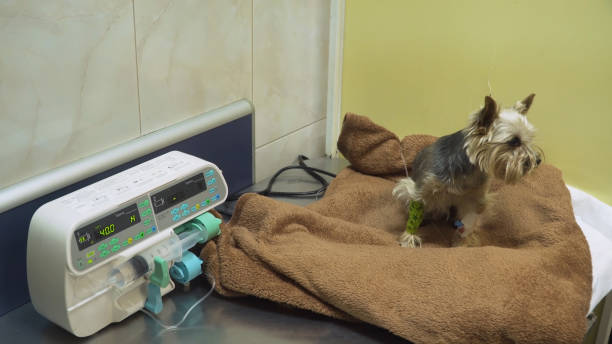
You brought your pet home from the animal hospital, and instead of feeling relieved, you may feel like you were handed a second full time job. There is a pill schedule on the counter, a new food in the bag, feeding instructions that do not match your old routine, and a pet who may not feel like eating anyway. That kind of recovery plan can make even calm, organized people feel rattled. A Cary veterinarian can help you make sense of the next steps.
When a pet’s hospital recovery includes both diet changes and new medication, the hard part is rarely just one thing. It is the overlap. Some medicines need food. Some need an empty stomach. Some prescription diets help healing but take time for a pet to accept. If your dog or cat refuses the new food, spits out the medication, or seems tired and off schedule, you are not failing. You are managing a real medical transition, and small adjustments often make the plan more workable.
Recovery after an animal hospital stay often depends on timing, appetite, and consistency
The first few days home can feel messy. Your pet may still be sore, sleepy, nauseated, or stressed after hospitalization. That affects appetite fast. A medication plan that looked simple on paper can break down by dinner if your pet will not eat the prescribed food or only wants treats. Then the worry starts. Do you give the medicine anyway? Do you go back to the old food just to get something into them? Do you wait and risk missing a dose?
This is where owners get trapped between two good goals. You want your pet to eat, and you want the treatment plan to work. Sometimes those goals briefly clash. A bland or therapeutic diet may support kidney disease, digestive healing, diabetes, urinary health, or recovery from surgery. Cornell’s veterinary nutrition service explains how therapeutic nutrition plans are used to support medical care, not just general feeding. Food becomes part of treatment, not an optional extra.
Medication adds another layer. Cats are famous for making this harder, but dogs can be just as resistant once they connect a pill pocket or spoonful of food with medicine. Cornell’s feline care guidance on giving medication safely and consistently reflects a truth that applies to most pets. Technique matters, but so does avoiding a daily battle that teaches your pet to fear mealtime.
The financial side can sting too. Prescription diets cost more than standard food, and new medications can come with follow up visits, lab checks, or refill changes. If your pet needs both at once, you may feel pressure to stretch doses, mix foods in a way that was not recommended, or stop the new diet early. That is understandable, but it can slow recovery or create setbacks that cost more later.
A common example looks like this. Your dog comes home after pancreatitis treatment with a low fat diet and medication for nausea. He seems hungry, but he turns away from the new food. You offer the old food because at least he will eat it. Then the stomach upset starts again, and you are back in the cycle that led to the hospital stay. Or your cat is sent home after urinary treatment with a prescription diet and pain medication, but every pill attempt ends with hiding, drooling, and refusal to eat. The plan is still sound, but the delivery needs work.
Pet recovery with medication and diet changes works best when the plan fits real life
The goal is not perfect execution on day one. The goal is enough consistency to support healing without turning every meal into a fight. That often means confirming details you may have missed while stressed at discharge. Ask whether the medicine must be given with food, whether the new diet can be introduced gradually, what amount your pet truly needs to eat before a dose, and what side effects mean you should call back the hospital.
Nutrition teams such as the one at Texas A&M also explain that medical nutrition plans should match the condition, calorie needs, and household realities. That matters when your pet is recovering and your routine is already stretched thin.
Daily recovery problems have different risks and different fixes
| Situation | Common Risk | Better Next Step |
|---|---|---|
| Pet refuses the new food | Missed calories, poor healing, medication given without enough food | Call the hospital and ask if a slower transition, warming the food, or a texture change is allowed |
| Medication causes nausea or drooling | Food aversion, dehydration, skipped doses | Ask whether the drug can be compounded, flavored, timed differently, or switched |
| Owner hides medicine in unapproved treats | Prescription diet disruption, stomach upset, reduced treatment effect | Confirm safe treat options that do not interfere with the diet plan |
| Multiple people give care without a log | Double dosing or missed doses | Use a written chart for meals, meds, water intake, and symptoms |
| Pet eats less than usual after discharge | Weakness, delayed recovery, worsening illness | Track exact intake and call sooner rather than later if appetite stays low |
Post hospital pet care with new food and medicine gets easier with a few clear habits
Build one written schedule. Put feeding times, medication times, allowed treats, water goals, and warning signs in one place. Do not rely on memory. If your pet takes a drug twice a day and eats three small meals, map that out hour by hour. A clear schedule lowers mistakes and lowers stress.
Track what actually happens, not what was supposed to happen. Write down how much food your pet ate, whether the dose stayed down, and any vomiting, diarrhea, hiding, coughing, or trouble urinating. This gives your animal hospital something useful to work with if the first plan needs adjustment. “Ate two bites and refused dinner” helps more than “not eating well.”
Call early when the plan starts slipping. Do not wait until you have missed several doses or your pet has gone a full day without eating. Many problems have practical fixes. A different pill form, a different feeding approach, a temporary appetite aid, or a revised schedule can protect recovery before things unravel.
Steady support matters more than perfect home care
There is a reason this feels hard. Animal hospital discharge plans are asking you to manage medicine, nutrition, behavior, and healing at the same time, often while you are still worried and tired. Most pets do not follow the script neatly, and most owners need a few course corrections.
Your job is not to force perfection. Your job is to notice changes, stay as consistent as you can, and reach out when the plan is not working in your home. That is good care. That is how recovery gets steadier, meal by meal and dose by dose.
Read more: Why St Petersburg’s Coastal Climate Demands Better Attic Insulation
6 Benefits Of Choosing A Family Dentist Who Offers Cosmetic Services – Dimensions Script

