


Industries often face a tough choice: air bearings or traditional bearings for moving equipment. Both types of bearings have unique benefits. They meet different needs and are used in various applications. This article compares air bearings and traditional bearings. It looks at their performance, uses, and other key points.
Air Bearings for Moving Equipment: Performance Advantages.
Air bearings, or fluid bearings, prevent contact between bearing surfaces. Air Bearings for Moving Equipment use a thin layer of air instead of solid surfaces.This unique mechanism provides several significant performance advantages.
Low Friction: Air bearings have very low friction. This makes them great for tasks where precision and smoothness matter. Less metal-to-metal contact means less wear and tear. This leads to a longer lifespan and better reliability.
No contamination: Regular bearings can get contaminated by dust, dirt, and other particles. This can cause damage and lower efficiency. Air bearings are not affected by contaminants. They work in a clean space and do not have direct surface contact.
High Load Capacity: Air bearings can handle heavy loads. The air cushion spreads the load evenly. Manufacturers use them in high-precision places like semiconductor manufacturing. Even tiny friction can cause expensive damage.
Perfect for Precision Work:
Air bearings work best in fields needing precision, like optics and aerospace. They help support very precise movements. This makes them perfect for tasks like alignment, calibration, and handling sensitive materials.
Traditional Bearings:
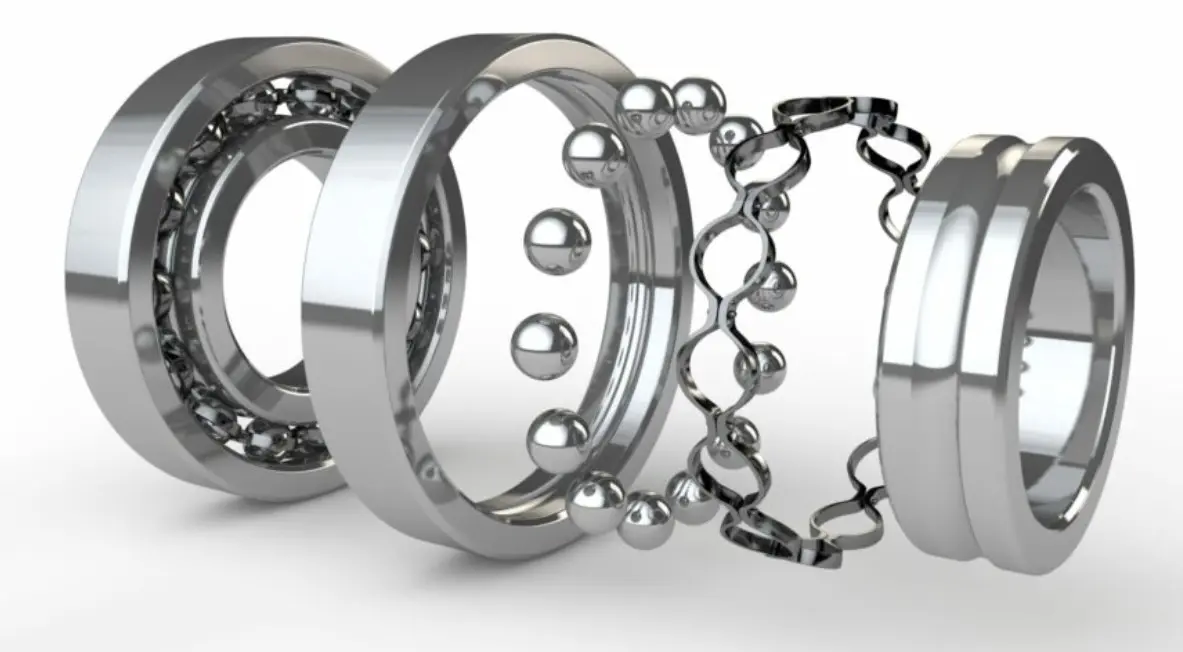
Traditional bearings—like ball, roller, and sleeve bearings—have been around for centuries. They are common in many industries. They use physical items like balls or rollers. These help reduce friction and allow for smooth rotation. Traditional bearings are used, but they have some limits. Air bearings offer advantages that traditional ones do not.
Friction and Wear:
Traditional bearings depend on constant contact between rolling elements and raceways. This can result in higher friction, which leads to wear and tear over time. Although lubrication can reduce friction, it doesn’t drop it full.
Vulnerability to Contamination: Traditional bearings are highly susceptible to dirt, dust, and debris. Contaminants in the bearing can cause major damage. This leads to lower efficiency and may result in system failure.
Limited Load Capacity:
Traditional bearings work well for many jobs. Yet, they struggle with heavy loads, unlike air bearings. For high-precision, heavy-load operations, traditional bearings might fall short.
Cost and Availability:
One major advantage of traditional bearings is their low cost and wide availability.
Pread availability. They are easier to make and come in many sizes and types. This makes them great for general industrial uses where precision isn’t the main concern.
Key Differences in Application:
Air bearings and traditional bearings have different applications. This is mainly because their performance characteristics vary greatly.
Air Bearings:
Air bearings suit industries needing low friction, high precision, and cleanliness. Some of their most common applications include:
- Semiconductor Manufacturing: In industries with dust and particles, air bearings are essential. They protect delicate equipment from contamination. They move machinery and tools in clean rooms. This helps avoid adding contaminants.
- Precision Machining: Air bearings are essential for tasks needing high accuracy. They are often used in optical alignment and laser systems. Their ability to provide smooth, vibration-free motion makes them ideal for precision tasks.
- Transportation of Heavy Loads:
- Air bearings help move heavy equipment, such as machines and industrial tools. They ensure precision and support high load capacity. Air cushions make moving items easy and frictionless. This lowers the chance of damage while transporting. Companies that need to move equipment often use air bearings. These bearings help by reducing friction and improving load handling.
Traditional Bearings:
Traditional bearings are great when you need reliability, durability, and low costs. Common applications include:
- Automotive Industry:
Bearings in vehicle engines, transmissions, and wheels are often traditional types. They have a strong design and can manage high loads well. - Manufacturing and Machinery:
Traditional bearings are the top choice for conveyor belts, motors, and gearboxes. They are widely available, low-cost, and have a strong track record of performance.
- Pumps and Fans:
Bearings in pumps and fans are often traditional designs. They work well in these areas because they focus on strength rather than precision.
Cost Considerations: Air Bearings vs. Traditional Bearings:
Cost matters a lot for businesses choosing between air bearings and traditional bearings.
- Air Bearings: They offer excellent performance. Yet, they come with a higher starting cost. Air bearings must use technology such as air compressors and precision systems. This raises costs. For industries needing high performance and reliability, this cost makes sense.
- Traditional bearings cost less because they have a simple design and easy manufacturing. They are the top choice for many businesses needing bearings in non-precision uses.
To learn more about air bearings and how they can help your operations, go to cargotrolley.com.
Conclusion: Choosing the Right Bearing for the Job.
Air bearings and traditional bearings each have their perks. The best choice depends on the application’s specific needs. Air bearings are ideal for industries that require high precision, low friction, and clean environments. For cost-sensitive applications, traditional bearings remain a reliable and popular choice.
Also Read-What Technologies Are Transforming Clinical Research Organizations?

